
Livraison le jour même ou le lendemain

Qualité garantie

Débloquez vos offres de bienvenue: Livraison GRATUITE | Jusqu'à -80 % | 30 jours d'essai gratuits à JoyPlus
Téléchargez l'application
Giving a kid's drone is a brilliant idea to light up their eyes and develop coordination. But be warned: the shelves are overflowing with models whose tempting promises can quickly turn into disappointment. A device that's too fragile, a battery that dies in five minutes flat, or controls that are impossible to master can turn a dream gift into a real source of frustration.
As the Head of Product Recommendations at Joybuy, my role is to help you navigate this jungle and sidestep the classic traps to make the right choice. Here are the three biggest mistakes to avoid.
To ensure the magic happens, forget the marketing gimmicks and focus on the essentials. Here are the technical points you absolutely must check.
A drone toy for an 8-year-old must be designed to withstand the inevitable first crashes. There are two things to watch out for:
No, an easy-to-fly drone is not a myth. The secret lies in assistance technologies that make all the difference. For a beginner, two features are practically mandatory:
Battery life is the name of the game. For a mini drone for kids, a flight time of 7 to 10 minutes per battery is a good starting point. The ideal setup? A package with at least two rechargeable batteries. While one is flying, the other is charging. This guarantees longer play sessions, without tears or impatience.
Let's get practical with our selection of models that tick all the right boxes for different types of young pilots.
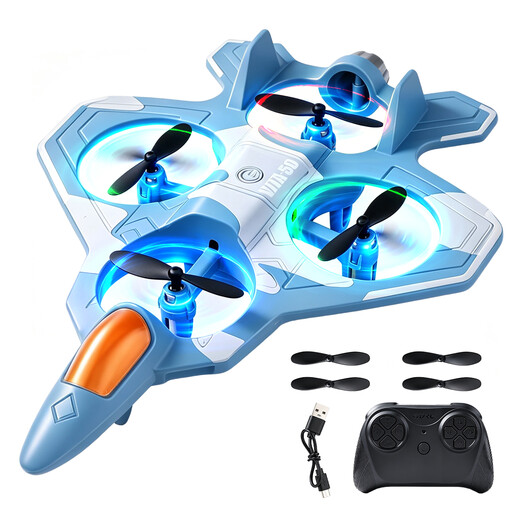
Why we love it : Designed for beginners, this first remote-control quadcopter is a breeze to get the hang of. The controls are ultra-simple, and flight modes like 360° circle or toss-to-launch make the experience fun from the very first second.
Its EPP foam structure is a true shield against repeated falls, sidestepping the #1 fragility trap. With its ducted propellers and flexible material, neither walls nor hands are at risk.
Its winning combination : rock-solid durability and reassuring flight assists (Headless Mode, Altitude Hold). The perfect choice for a stress-free first purchase.
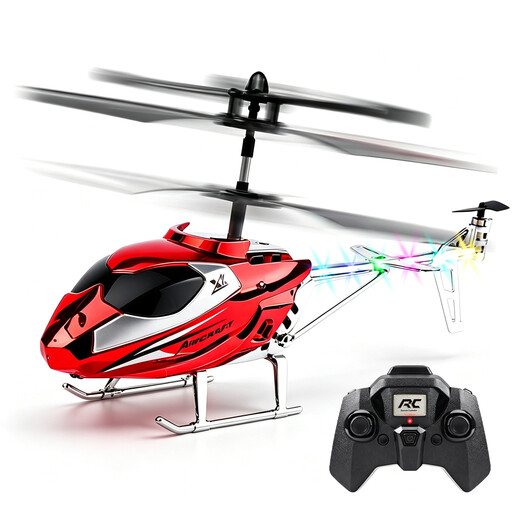
Why we love it : Perfect for practising in the living room, this beginner RC helicopter is all about stability, thanks to its coaxial dual rotor. Its alloy shell gives it a clear advantage in a crash compared to 100% plastic models.
It brilliantly sidesteps the complexity trap : one-button take-off and landing, altitude hold... A child can master it and fly it stably within minutes, with no frustrating learning curve.
Its impressive hovering stability and intuitive controls make it the ideal tool for learning the basics of piloting safely, within the four walls of the living room or bedroom.
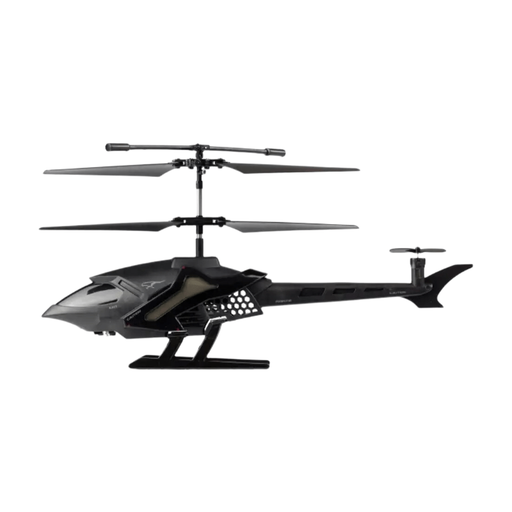
Why we love it : Perfect as a gift for a 10-year-old or older who's looking for a bit more of a challenge, this model offers finer control. Its 2.4 GHz 3-channel technology allows for precise, multi-directional piloting, both indoors and outdoors in calm weather.
Unlike infrared toys that are limited to indoor use, its 2.4 GHz technology ensures a stable connection and greater range. No more connection drops that ruin the fun! The built-in gyroscope provides superior stability for smoother piloting.
The 2.4 GHz technology and 3 control channels open the door to a richer, more progressive flying experience. It's the perfect stepping stone to more advanced models.
Our complete and up-to-date selection features products that not only meet our selection criteria but also comply with all current safety standards.
Most manufacturers target children aged 8 and up. At this age, their hand-eye coordination is often developed enough to handle the remote control. For younger children, close adult supervision is essential, especially for the first few take-offs.
The remote-control quadcopter, or drone, uses four propellers. This design ensures excellent stability and makes it very manoeuvrable, which is ideal for beginners. The RC helicopter, on the other hand, typically has one or two main rotors. Piloting it is a bit more technical, but it provides a different flying sensation, closer to that of a real helicopter.
For devices classified as toys (compliant with local toy safety directives), regulations are more relaxed. Generally, if the drone weighs less than 250 grams and is not equipped with a camera, you don't need to register it or undergo training. However, a few common-sense rules always apply: never fly over people, respect others' privacy, stay away from airports, and always keep the device in your line of sight. To be absolutely sure, we advise you to check the latest regulations on your government's official aviation authority website.