
Livraison le jour même ou le lendemain

Qualité garantie

Débloquez vos offres de bienvenue: Livraison GRATUITE | Jusqu'à -80 % | 30 jours d'essai gratuits à JoyPlus
Téléchargez l'application
Giving a child a drone is a promise of a fun introduction to technology and an excellent exercise in coordination. But be warned: the market is flooded with models that can quickly turn this dream gift into a real headache. A device that's too fragile, controls that are too complex, or a battery that dies in five minutes… and the drone ends up forgotten in the back of a closet.
To help you cut through the noise, we've broken down the pitfalls to avoid and the essential criteria to check. Follow this guide to choose a drone that is fun, safe, and durable, guaranteeing hours of flight time rather than a few minutes of disappointment.
Initial enthusiasm can quickly fade if the product isn't right for a beginner. Here are the three most common mistakes when buying a first drone.
To ensure safety and flying enjoyment, three technical parameters deserve your full attention.
A child's drone must be safe, period. Check for the presence of full propeller guards. They not only protect curious fingers but also the propellers themselves, which are the most vulnerable parts.
The materials are also an excellent indicator of durability. For an easy-to-fly quadcopter, look for models with a flexible shell. For a remote-controlled plane for kids, EPP (Expanded Polypropylene) foam is the material of choice, as it is both lightweight and highly impact-resistant. Finally, make sure the product carries the CE mark, which certifies its compliance with European safety standards.
For a beginner mini drone, pilot-assist features are not gadgets; they are necessities. Here are the three most important ones:
The battery life of a toy drone generally ranges from 7 to 15 minutes per battery. To avoid the trap of waiting, there's a simple solution: opt for a model sold with two or more batteries. This allows you to swap them in a flash and significantly extend the play session. It's a detail that makes all the difference and is often offered on well-designed beginner models.
Rather than an exhaustive list, we have matched specific products to clear user profiles, based on our criteria of safety, ease of use, and durability.
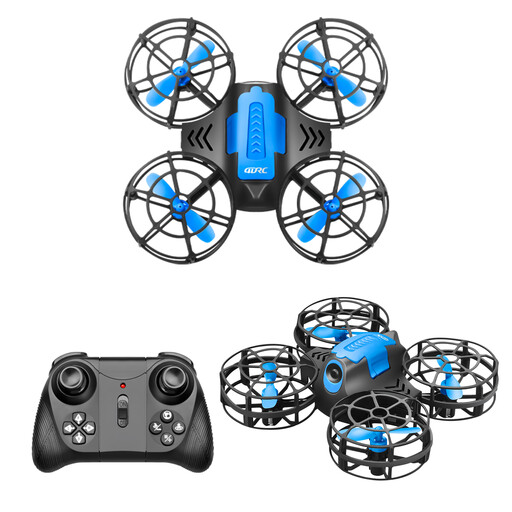
Why it's a great choice: Perfect for a first beginner mini drone without breaking the bank. Its assistance features (Altitude Hold, Headless Mode) let you have fun from the very first minute. An excellent gift for a 10-year-old boy or younger.
Supplied with two batteries, it doubles the playtime and bypasses the limited battery life trap. Its full propeller guards make it more resistant to inevitable crashes.
Comprehensive pilot-assist features; two batteries included for extended flight time.
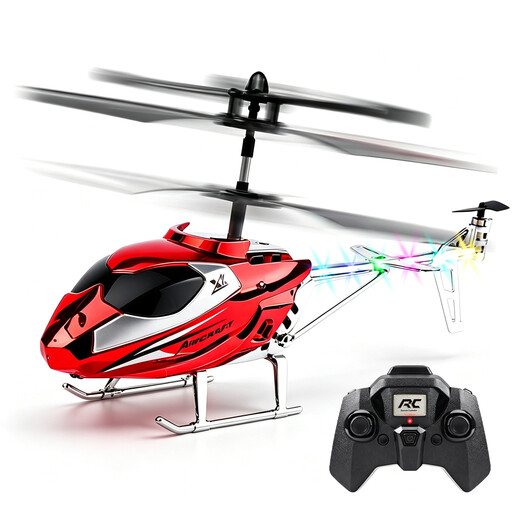
Why it's a great choice: Ideal for those who prefer the stable flight and classic look of a toy RC helicopter. Its design is more familiar, and its handling, though different, is very accessible thanks to built-in assists.
Its metal alloy shell offers superior durability compared to low-grade plastics. One-key takeoff/landing radically simplifies the trickiest manoeuvres for a novice.
Robust alloy frame; flying toy with lights (LED) for a fun visual effect, especially indoors.
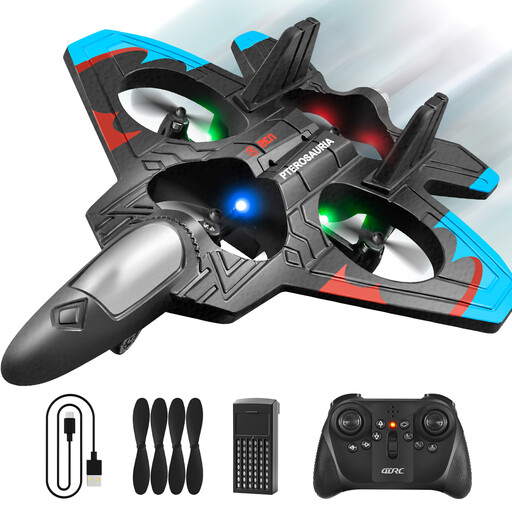
Why it's a great choice: An excellent alternative to a quadcopter. This RC plane for kids mimics a fighter jet and offers a different flight experience—often faster and more directional, perfect for large open spaces.
Made from EPP foam, it's designed to withstand crashes without breaking. The gyro stabilisation system helps correct the flight path, preventing immediate stalls for beginners.
Highly durable EPP foam material; gyroscopic stabilisation system for easier flight; two batteries included.
We have compiled a complete and up-to-date list of products that meet these strict selection criteria and safety regulations.
Most manufacturers recommend a minimum age of 8 years old, and some simpler models may be suitable for children as young as 6. However, age is less important than the child's maturity. Adult supervision is highly recommended during the first few flights, if only to explain basic safety rules. It's wise to start flying indoors in a large, clear space before venturing outside.
The battery life of a kid's drone is typically between 7 and 15 minutes per battery. This may seem short, but it's enough for a focused play session. To extend the fun, the best approach is to choose a package that includes one or two extra batteries. This allows for a quick swap to get back in the air without a long wait.
In France, toy drones weighing less than 250 grams generally do not require registration or specific training. The vast majority of children's drones fall into this category. However, this does not exempt you from following common-sense rules: do not fly over people, respect privacy (don't film your neighbours), do not fly over public spaces in built-up areas, and stay away from sensitive zones like airports. The basic principle is to always keep the drone within your line of sight.