
Livraison le jour même ou le lendemain

Qualité garantie

Débloquez vos offres de bienvenue: Livraison GRATUITE | Jusqu'à -80 % | 30 jours d'essai gratuits à JoyPlus
Téléchargez l'application
Finding the perfect gift for a child aged 3 and up can be a challenge. It needs to be fun, stimulating, and, if possible, built to last. What if the solution was a toy that could spark their curiosity, develop their empathy, and even take the fear out of doctor's visits? The doctor's kit is one of those rare gifts that checks all the boxes.
This classic pretend-play toy allows children to become familiar with medical instruments, expand their imagination, and refine their fine motor skills.
This guide will give you all the essential tips for choosing the most suitable doctor's playset, by analysing accessory quality, educational value, and practicality. To wrap up, we'll present our selection of the best models currently available.
Before you make your choice, let's review a few key points to ensure hours of check-ups... with complete peace of mind.
A good doctor's kit is defined by the variety and durability of its instruments. Take a look at the list of accessories: a stethoscope, thermometer, syringe, reflex hammer, and otoscope form the essential starter kit. Some more comprehensive sets add scissors, tweezers, bandages, or even a blood pressure monitor.
The quality of the materials is a non-negotiable criterion. Opt for sturdy plastics with no sharp edges, and of course, ensure they comply with European toy safety standards (CE marking). A toy stethoscope that really works, even in a simplified way, adds a touch of realism that children love.
More than just a toy, a doctor's kit has real educational value. Models that include temperature charts, health records, or pretend prescriptions encourage children to structure their play and mimic the actions they observe.
This realism helps to demystify the medical world. By handling a syringe (without a needle, of course) or listening to their own heartbeat, a child becomes familiar with objects that might otherwise seem frightening. It's an excellent way to gently prepare them for their next medical appointment.
The key feature of this toy is, of course, its case. It's essential for storing all the small accessories without losing them, and also for easily transporting the kit, whether for a playdate at a friend's house or for treating dolls on the other side of the room.
Check that the case has a handle suitable for small hands and a latch that is both simple and secure. Interior compartments or drawers are a real bonus for maintaining order and teaching your child how to tidy up.
To help you make your choice, here is our selection of kits that stand out from the crowd.
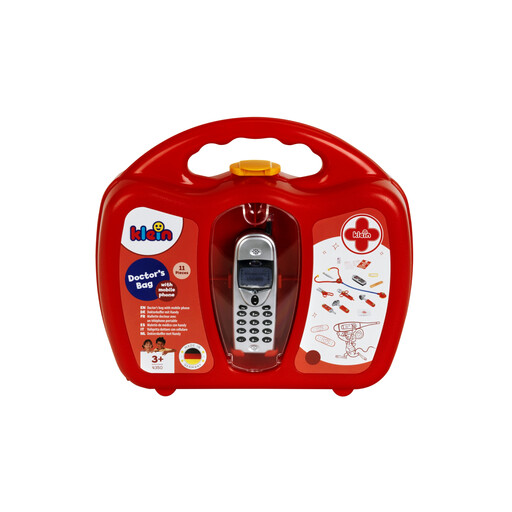
The Standout Feature
This kit stands out thanks to its musical mobile phone with a light-up antenna. This modern accessory grounds the play in children's everyday lives and allows them to imagine communication scenarios, like calling an ambulance or checking on a patient.
Key Features
Who is it for?
This model is perfect for children from 3 years old who love comprehensive role-playing games and are drawn to electronic accessories. An excellent choice for a first gift for ages 3 and up.
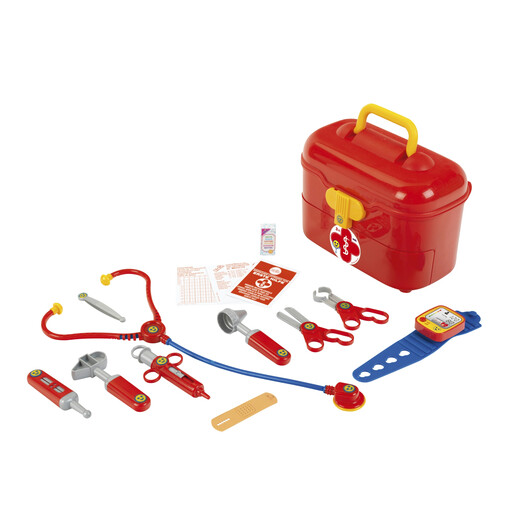
The Standout Feature
The unique feature of this Theo Klein case is its two-level design, which includes a very practical drawer. This clever layout makes it easy to store and access the smallest instruments, encouraging the child to keep their equipment well-organised.
Key Features
Who is it for?
Perfect for budding little organisers. The drawer and the variety of instruments, like the blood pressure monitor, make this a very complete doctor's kit for hours of structured play.
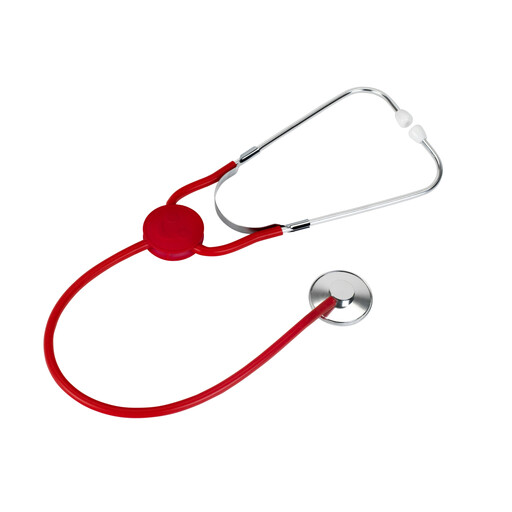
The Standout Feature
This isn't a complete kit, but an accessory that earned its spot in our selection. This functional toy stethoscope is made of metal and, thanks to its diaphragm, genuinely amplifies heartbeats and breathing sounds.
Key Features
Who is it for?
Recommended for ages 5 and up, this is the perfect accessory to complement an existing doctor's kit or for young enthusiasts who want a tool that's as close to the real thing as possible. It requires supervision for younger children.
A doctor's kit is an excellent gateway into the world of role-playing. If your child loves dressing up and inventing stories, there are many other options to nurture their imagination, from play kitchens to tool benches.
Explore our complete collection of toys and costumes to find the gift that will make their eyes light up.
Most manufacturers recommend their kits for children from 3 years of age. This age corresponds with the development of imagination and symbolic play. However, it's essential to check the specific recommendations for each product, as some kits contain small parts that pose a choking hazard for toddlers.
Absolutely. It's one of the most frequently cited benefits by parents. By playing doctor, children familiarise themselves with medical instruments in a fun and reassuring context. They reverse the roles, becoming the caregiver, and better understand the actions of a doctor or nurse. This can significantly reduce their anxiety before a real appointment.
For most plastic accessories, a simple wipe with a damp cloth and a little mild soap is sufficient. Avoid harsh chemicals or full immersion in water, especially for electronic parts. Be sure to dry each item thoroughly before putting it back in the case. In all instances, refer to the manufacturer's instructions for optimal care.