
Livraison le jour même ou le lendemain

Qualité garantie

Débloquez vos offres de bienvenue: Livraison GRATUITE | Jusqu'à -80 % | 30 jours d'essai gratuits à JoyPlus
Téléchargez l'application
Finding the right kids' craft kit can quickly become a headache. Between the flashy packaging and fleeting trends, it's easy to end up with a toy that gets used once and then banished to the back of a closet. As a Product Specialist at Joybuy, my mission is to help you see things more clearly and choose a hands-on activity for kids that will genuinely spark their creativity, without any nasty surprises.
Before we get to our top picks, let's break down the common pitfalls to avoid and the criteria that really matter.
Toy marketing is designed to be eye-catching, but the reality can often be disappointing. Here are the three most common pitfalls:
To make an informed choice, ignore the promises on the packaging and focus on what's actually inside.
Don't just trust the picture on the box; read the full list of included items. A good craft kit provides everything needed to make several creations, not just one. In terms of safety, the CE marking is a non-negotiable prerequisite for products sold in Europe, certifying that the manufacturer meets EU standards. For activities like a slime kit or modelling clay, double-check that all components are non-toxic.
A good investment is a toy that will be used more than once. Ask yourself the right questions:
A drawing set like a Spirograph, for example, offers nearly infinite replay value, making it an excellent creative gift for a child.
Honestly assess your child's concentration span and fine motor skills. An overly ambitious kids' DIY project is a guaranteed source of frustration. Look for clear, preferably illustrated, instructions. Finally, reviews from other parents are a goldmine for understanding the level of adult assistance actually required.
To guide you, we've matched our favourite kits with different child profiles, so you can find the one that perfectly suits their interests and abilities.
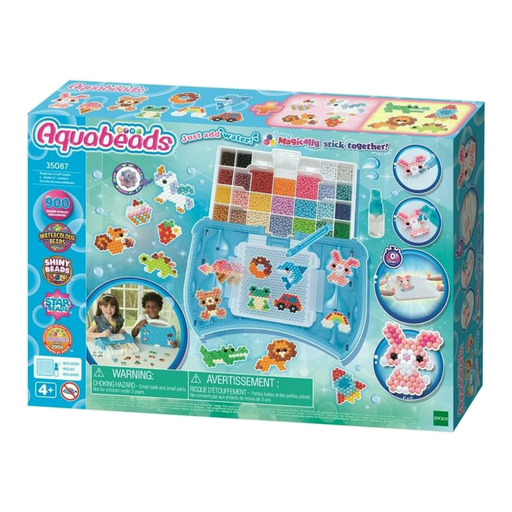
Why we chose it: Ideal as a first introduction to hands-on activities. The concept is as simple as it is safe: the beads stick together with just water—no heat or glue required. It's a quiet activity, perfect for developing fine motor skills and colour recognition.
With over 840 beads and numerous templates, you can say goodbye to the frustration of a kit that's empty in 10 minutes! The tray and pen are infinitely reusable; only the beads, available as refills, are consumable.
The "Pop-Up Tray" technology lets you remove your creation immediately after spraying it with water, with no waiting time. A game-changing detail for impatient kids!
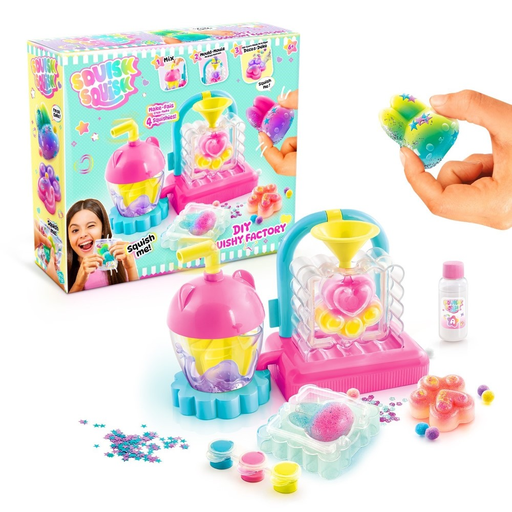
Why we chose it: This kit capitalises on the "squishies" trend—those squeezable sensory objects. The child doesn't just play with them; they get to make and customise them, which is far more creative and rewarding.
Unlike a single-use gadget, the "factory" and moulds are reusable. The starter kit comes with enough supplies to create several squishies and have fun right out of the box.
The creation process—moulding, colouring, and drying—is an exciting activity in itself. The child becomes the creator of their very own trendy toy.
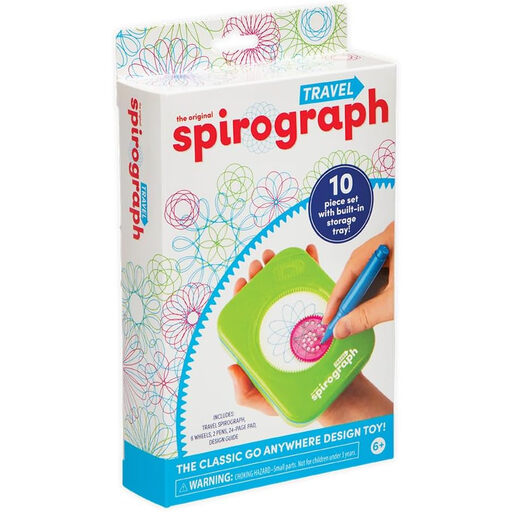
Why we chose it: A timeless classic that blends art and mathematics. Perfect for kids who love precision and creating complex patterns. Plus, this compact version fits anywhere for on-the-go drawing.
It's the antithesis of the disposable toy. The wheels and frame are made to last and can be used endlessly. No specific consumables to buy—a simple sheet of paper and some pens are all you need. Maximum longevity guaranteed.
Its replay value is nearly infinite. It boosts concentration, precision, and an understanding of geometry, all in a fun and creative way.
We've handpicked dozens of products that check all the boxes: creativity, durability, and safety.
The key is to always read the "Box Contents" section on the product page or packaging. Be wary of phrases like "batteries not included" or images that show creations clearly requiring more materials than what's provided. A well-designed kit lets you start playing right out of the box.
It depends more on the child's maturity than their age. As a general rule, for ages 4-6, adult supervision is often necessary to decipher instructions and help with tricky steps. Between 7 and 9, many children can become independent with age-appropriate kits. From age 10 onwards, they can usually manage more complex projects on their own, as long as the instructions are crystal clear.
Opt for kits that come with their own storage box or case. For messy activities (painting, slime, etc.), the basics are key: protect the table with a plastic tablecloth or newspaper. Make cleanup part of the game by involving your child in tidying up after each session. Finally, clear storage bins are perfect for keeping small parts organised and easy to find.