Parents keeping an eye on added sugars
You want to distinguish the ‘no added sugars’ claim from the amount of sugars shown in the nutrition information, rather than relying on the term ‘sugar-free’ alone.


If your priority is to limit added sugars, distinguish between a spread labelled ‘no added sugars’ and one labelled ‘sugar-free’: Lucien Georgelin’s no-added-sugars recipe still contains 8.5 g of sugars per 100 g. For a child’s breakfast or snack, check the ingredients and allergens on the exact jar too. For a school snack, follow any guidance that applies to your child.
You want to distinguish the ‘no added sugars’ claim from the amount of sugars shown in the nutrition information, rather than relying on the term ‘sugar-free’ alone.
For a school snack, check the allergens in the jar you choose and any guidance specific to your child. According to the French Ministry of National Education, an individualised care plan (PAI) can set out adjustments for a food allergy.
Pack size matters just as much as storage instructions once opened. Nutripure recommends keeping its spread in the fridge and eating it within 7 to 10 days.
When choosing a spread for a child’s breakfast or snack, start with what matters most to your household, then check the other details on the jar you’re considering.
| What matters | What to check | Who it matters to |
|---|---|---|
| Sugars | The exact wording on the packaging and the ‘of which sugars’ figure per 100 g. ‘No added sugars’ does not mean ‘sugar-free’. | For morning toast, some people want to limit added sugars first and foremost, without confusing that claim with an absence of sugars. Around 36% of consumers put this need first. |
| Allergens and school | The ingredients, allergens and ‘may contain’ statements on the exact jar, as well as any school guidance or PAI in place. | If the snack is going to school, making sure it meets your child’s needs comes before looking for a particular recipe. This is the main concern for around 29% of consumers. |
| Nutrition information | The values per 100 g and the ingredients. The Nutri-Score can also help you compare products when it is displayed. | When comparing jars on the shelf, others want an easy-to-read guide without relying on a single letter. Around 21% of consumers prioritise this nutritional information. |
| Pack size and storage | The jar’s weight and storage instructions once opened. For its recipe, Nutripure recommends refrigeration and eating it within 7 to 10 days. | If you don’t use the jar often, being able to finish it within the stated timeframe becomes the main consideration. This matters to around 14% of consumers. |
Lucien Georgelin’s spread is labelled ‘no added sugars’, but contains 8.5 g of sugars per 100 g.
Check both the claim and the ‘of which sugars’ figure for the specific product, rather than treating a ‘sugar-free’ search as a guarantee.
According to Santé publique France, displaying Nutri-Score is voluntary. Its letter does not replace the nutrition information or allergen list.
If it appears on the jar, use it as an additional guide and check the details that matter for your choice.
Lucien Georgelin’s recipe lists hazelnuts and milk, and may contain traces of other nuts. You can’t work out a jar’s allergens from the broad category ‘spread’ alone.
Check the label on the exact jar and, for a school snack, follow the school’s guidance and the PAI if there is one.
Instructions vary by recipe: Nutripure recommends eating its spread within 7 to 10 days of opening, while Lucien Georgelin gives up to one month for its recipe.
Choose a pack size that suits how often you’ll use it, and follow the instructions on the jar you buy.
An opened jar could end up being thrown away if you don’t finish it within the stated timeframe.
The brand makes a 400 g jar of hazelnut spread with French hazelnuts and no added sugars.
Nutripure describes its 220 g spread as an organic recipe with no added sugar, no oil and no sweeteners.
This hazelnut and cocoa recipe provides a point of comparison with spreads carrying a claim about added sugars.
This peanut spread is suitable for spreading, but differs from the cocoa and hazelnut recipes mentioned above. For a child’s snack, first consider whether peanuts are suitable and check any guidance that applies.
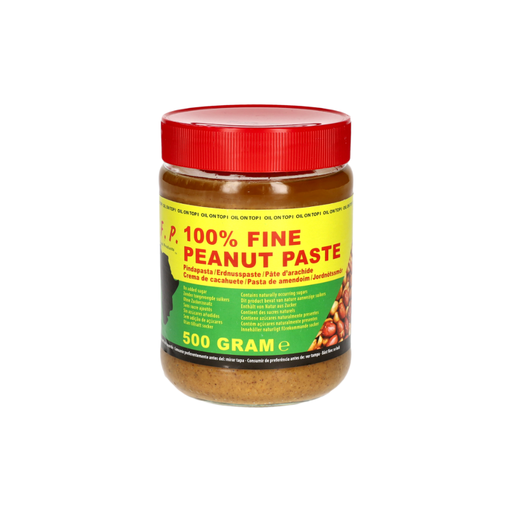 Image unavailable
Consider this if you’re looking for a peanut spread rather than a cocoa and hazelnut recipe, and peanuts are suitable for your child. Check the ingredients, the ‘of which sugars’ figure per 100 g and any school guidance on the jar, especially if there is a PAI in place.
No. According to Santé publique France, producers display Nutri-Score voluntarily; it complements the nutrition declaration. If the logo isn’t shown, compare the nutrition information and ingredients on the jar.
No. Lucien Georgelin describes its spread as having no added sugars, while still stating that it contains 8.5 g of sugars per 100 g. If you’re looking for a product with no sugars, check the exact claim and the ‘of which sugars’ figure for the product you choose.
Don’t assume so if your child has dietary requirements. Check the allergens on the exact jar and the school’s guidance. According to the French Ministry of National Education, a PAI can set out adjustments for a pupil with a food allergy.
Follow the instructions for the recipe you’ve bought. Nutripure recommends refrigerating its spread and eating it within 7 to 10 days of opening. Lucien Georgelin says its recipe can be kept for up to one month, away from heat and moisture.