What should you check before buying?
Start by thinking about how you’ll serve the chocolate, then compare the recipe and the information on the exact pack.
| Criteria |
What to check |
Who is it for? |
| Serving |
Check the type of packaging, the number of individual portions and whether you’ll need to break up a bar. |
If each child needs a portion without any cutting or breaking at snack time, individually wrapped portions are the main consideration; around 31% of consumers prioritise this need. |
| Nutritional values |
Compare sugar, saturated fat, salt and energy per 100 g in particular. |
When choosing between different recipes, I want to compare sugar on the same basis rather than rely on the front of the pack; this is a priority for around 31% of consumers. |
| Allergens |
Read the ingredients, highlighted allergens and any ‘may contain’ statements on the pack you choose. |
If a child in the group needs to avoid an ingredient, the exact recipe matters more than the format; around 23% of consumers prioritise checking for allergens. |
| Quantity and format |
Compare the total weight and the number of bars or packs in each pack. |
When serving a group, you’ll need enough chocolate in a format that’s easy to share; this is the main consideration for around 15% of consumers. |
Formats available on Joybuy
These products show three ways to share chocolate with children: a bag of mini bars, bars to break into portions and a multipack of bars. Check the packaging and allergens for the product you choose before serving it.
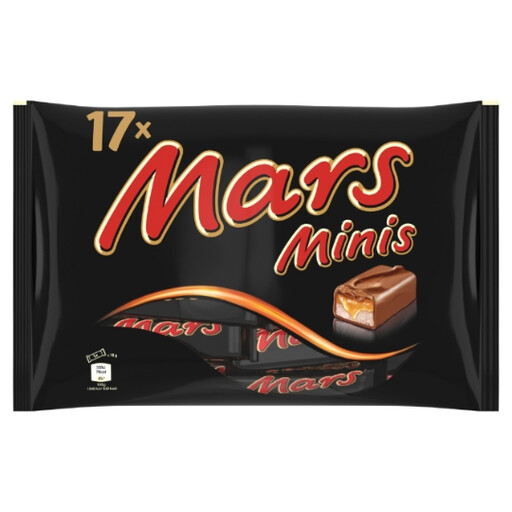 Image unavailable
MARS Minis milk chocolate, caramel and nougat, 333 g
This bag of mini bars is a good option if you’d rather hand out individual portions than break up a bar.
The bag weighs 333 g. Before serving it to the group, check the pack for information about milk, soya and egg white, as well as any possible presence of peanuts and tree nuts.
View on Joybuy
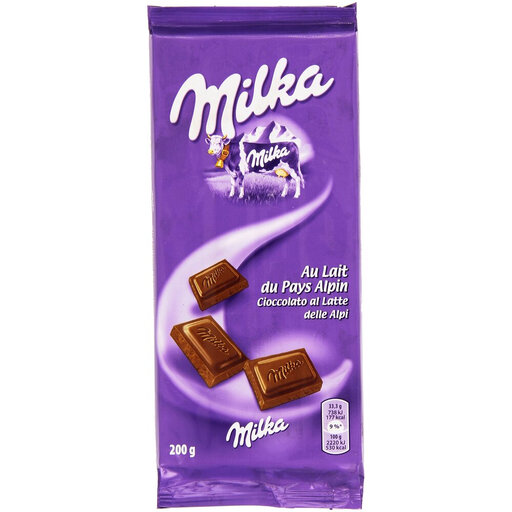 Image unavailable
MILKA milk chocolate, 200 g bar
This bar is a good option if an adult can break up the chocolate and share out the pieces.
The portions aren’t pre-cut. Check the pack for milk, hazelnut and soya, as well as any statements about other tree nuts and wheat.
View on Joybuy
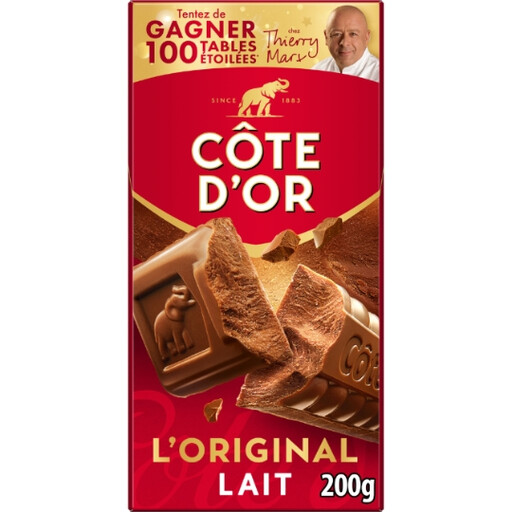 Image unavailable
CÔTE D’OR Classic milk chocolate, 200 g
This bar is another option if an adult can decide how big to make each portion.
It weighs 200 g. Check the packaging for information about milk and soya, and whether it may contain tree nuts.
View on Joybuy
 Image unavailable
Kinder Chocolate Maxi Pack, 11 bars, 231 g
This multipack could suit you if you’d rather count out individual bars than prepare portions from a larger bar.
It contains 11 bars and weighs 231 g in total. If each bar needs to be handed out in its own wrapper, check the packaging on the pack; also look for information about milk and soya.
View on Joybuy
 Image unavailable
Nestlé KitKat Strawberry Short Cake, 9 pieces, 104.4 g
This 9-piece format could be a good fit if the number of portions you need is the main factor in your choice.
The total weight is 104.4 g. If you’re comparing sugar or saturated fat, check the per-100 g values on the pack; also look for information about milk, wheat and soya.
View on Joybuy
Frequently asked questions
Is a chocolate bar subject to the ‘soda tax’ in France?
No. A solid bar doesn’t fall within the scope of the levy on drinks and liquid preparations for drinks described by the Directorate General of Customs and Excise. This distinction doesn’t mean you can skip checking the chocolate’s ingredients and nutritional values.
Does a chocolate bar have to display Nutri-Score?
No. The French Ministry of the Economy says that displaying Nutri-Score is voluntary. You should still check the nutrition declaration on pre-packed foods where one is required, even if no logo is shown.
How can you compare the sugar content of two chocolate products in different formats?
Compare the ‘sugars’ line per 100 g on each nutrition table, rather than comparing values for portions of different sizes. The DGCCRF states that nutrition declarations for the foods concerned are given on this basis.
What should you check if several children will share the same chocolate?
First check which ingredients the children present need to avoid, then read the highlighted allergens and any ‘may contain’ statements on the exact pack. Don’t assume that another recipe from the same brand has the same ingredients.
Should you keep the packaging during snack time?
Keep it within reach until everyone has finished sharing, so you can check the ingredients and allergens in the product being served. The packaging also tells you the net quantity and the best-before date.


