Parents planning an occasional snack
If you’d like to offer a few squares without making chocolate the main event, Manger Bouger suggests options such as bread with a few squares of chocolate, served with a piece of fruit or a dairy product.


If you’re occasionally offering a child a few squares or chocolate sweets, first choose a recipe whose ingredients, allergens and sugar content you can check. Milk chocolate suits those who prefer a creamy taste, while dark-and-milk or dark chocolate may be a better choice if your child already enjoys a stronger cocoa flavour. The cocoa content doesn’t mean you can skip reading the label or deciding how much to serve.
If you’d like to offer a few squares without making chocolate the main event, Manger Bouger suggests options such as bread with a few squares of chocolate, served with a piece of fruit or a dairy product.
To choose between milk, dark-and-milk and dark chocolate, compare the cocoa content and sugars in each product. Lindt France’s product information shows why a range name alone doesn’t tell you what’s in a bar.
Before taking chocolate to school or a group snack, check the allergens and any ‘may contain’ warnings on the exact packaging. The DGCCRF reminds shoppers that allergens must be highlighted in the ingredients list on pre-packed foods.
For an occasional snack for a child, start by considering whether the chocolate will be shared and how much you plan to serve. Then compare the recipes based on the flavour you’re looking for.
| What matters | What to check | Who is this for? |
|---|---|---|
| Sugars and its place in a snack | Compare the sugars per 100 g and the amount you plan to serve. | If I offer chocolate as a snack, I want to leave room for other foods and decide how many squares to serve. Around 31% of consumers put managing sugar and portion size first. |
| Allergens and sharing | Check the allergens in the ingredients and any ‘may contain’ warnings for the variety you’ve chosen. | For a snack shared by children, I need to know whether the recipe is suitable for everyone there before serving it. Around 25% of consumers put checking allergens first. |
| Cocoa intensity | Check the stated minimum cocoa content rather than relying on the name of the bar alone. | My child already enjoys cocoa, and I’m looking for a stronger flavour without assuming they’ll necessarily like dark chocolate. Around 25% of consumers prioritise choosing the cocoa intensity. |
| Format and portioning | Check the pack weight and how easily it can be shared. | When several children are having chocolate, I’m looking for packaging that makes it easy to divide up the portions. Around 19% of consumers prioritise this practical format. |
Lindt France’s product information for the EXCELLENCE Noir 70 % & Lait bar states that this particular product contains at least 45% cocoa.
Check the stated cocoa content and sugars per 100 g before comparing two bars.
Lindt France’s product information for Noir 70 % Corsé warns that it may contain milk, tree nuts, soya and sesame.
If someone has an allergy, or the chocolate is being shared at school, check the ingredients and any ‘may contain’ warnings on the current packaging.
According to Santé publique France, displaying the Nutri-Score is voluntary. If it appears on two comparable products, it doesn’t replace checking the sugars or deciding on a portion size.
Use it as an additional guide, then check the nutritional information and ingredients.
The E.Leclerc product information for the TABLETTE D’OR bar reviewed lists milk and hazelnut paste. Not all milk chocolate recipes meet the same requirements.
Check the exact product you’re buying and the guidance at the place where the chocolate will be shared.
The EXCELLENCE Noir 70 % & Lait and Noir 70 % Corsé bars let you compare two distinct recipes, rather than relying on the word ‘dark’ alone.
The brand’s milk chocolate bars suit those looking for a creamy flavour, but each recipe should be checked individually.
The retailer’s milk chocolate recipes can be compared with national brands, as long as you check the exact product.
The 100 g TABLETTE D’OR milk chocolate bar is one specific product you can compare, but its characteristics shouldn’t be applied to the whole range.
These products offer a choice of milk chocolate bars or sweets for an occasional snack. When comparing formats, also check the ingredients and nutritional information on the packaging.
 Image unavailable
The six tubes offer a handy format for sharing at snack time. Before handing them out, check the ingredients, allergens and sugars on the packaging.
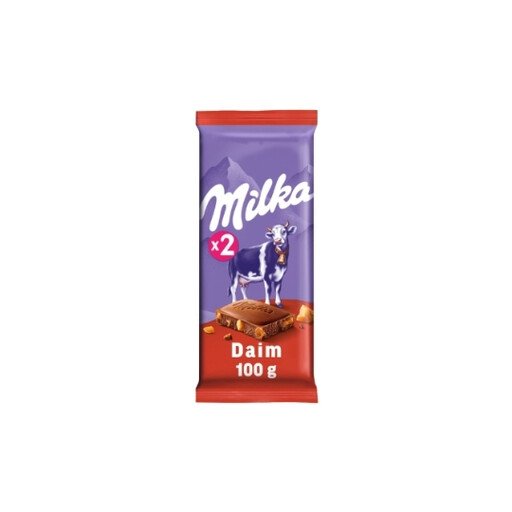 Image unavailable
Two bars to consider if you prefer to serve a few squares at a time. If sharing with children, check the packaging for milk, hazelnuts, soya and any ‘may contain’ warnings for this specific product.
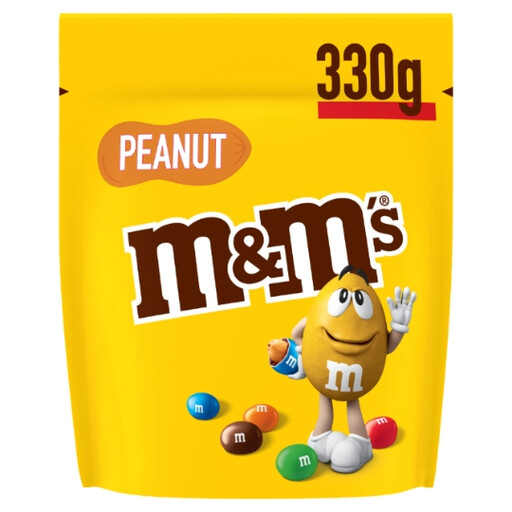 Image unavailable
These sweets combine peanuts with a milk chocolate coating, so don’t choose them for sharing if peanuts need to be avoided. Check the packaging for other allergens and the amount to serve, too.
No. Santé publique France says that producers display it voluntarily. For the pre-packed foods concerned, the DGCCRF distinguishes this voluntary label from compulsory labelling information, including the nutrition declaration and the highlighting of allergenic ingredients. If it appears, compare similar products, but keep checking their labels.
No. The French Ministry of the Economy describes this levy as applying to sugary drinks, not chocolate bars. When choosing a bar, check the sugars listed in its nutritional information instead.
Not necessarily. Choose it if your child already enjoys its stronger flavour, while still checking for allergens. To compare two specific products, Lindt France states that EXCELLENCE Noir 70 % Corsé contains 28 g of sugars per 100 g, while EXCELLENCE Noir 70 % & Lait contains 42 g per 100 g. These figures don’t apply to all dark or dark-and-milk chocolate.
Read the packaging for the exact product: check which allergenic ingredients are highlighted and look for any ‘may contain’ warnings. Also check the guidance provided by the school or the person in charge of the group. The colour of a chocolate doesn’t tell you whether it’s suitable for every child.