
Livraison le jour même ou le lendemain

Qualité garantie

Débloquez vos offres de bienvenue: Livraison GRATUITE | Jusqu'à -80 % | 30 jours d'essai gratuits à JoyPlus
Téléchargez l'application
The quest for the ideal birthday or Christmas gift—one that's fun, creative, and reasonably durable—can often be a real puzzle. Are you thinking of giving a kid's camera but feel lost in the jungle of available models? Digital or instant, with or without a protective case... it's hard to know where to start.
Our mission: to guide you in finding the first camera that will spark your child's artistic flair and create unforgettable memories.
Before diving into our selection, let's review the essential criteria for making the right choice.
The main contest is between digital and instant. It all depends on the experience you want to provide.
Safety is, of course, non-negotiable. Make sure the camera is made from non-toxic materials with rounded edges. Most models include a soft silicone case. This is a clever accessory that serves a dual purpose: it absorbs shocks and ensures a secure, comfortable grip for small hands. A wrist strap is also a real bonus to prevent drops.
Manufacturers always provide a recommended age range. For the little ones (3-5 years), an ultra-simple toy camera with large buttons and basic functions is the perfect choice. For older children (6-10 years), a more advanced model with filters, a video mode, or a self-timer will be much more stimulating and will support their creative exploration for longer.
Now, let's move on to our selection of models that caught our eye for their fun approach and well-thought-out features.
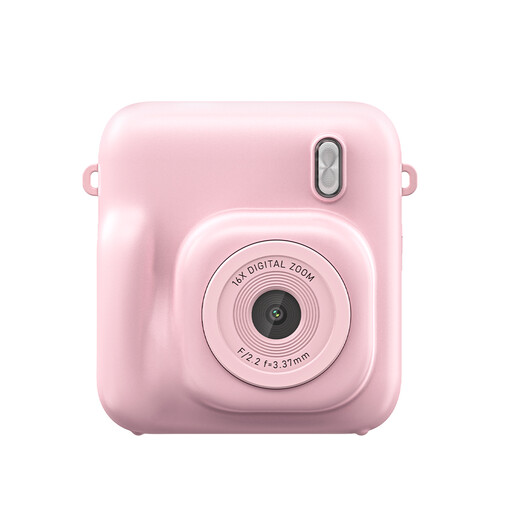
Standout Feature
This hybrid model combines the best of both worlds: the flexibility of digital and the magic of instant printing. The child captures a moment and immediately gets a black and white paper version, ready to be coloured, displayed, or shared.
What We Love
Who is it for?
Ideal for budding artists aged 5 to 9 who love hands-on activities. They will love being able to keep, display, or give away their own pictures. An excellent choice for a Christmas gift or birthday present that stands out from the crowd.
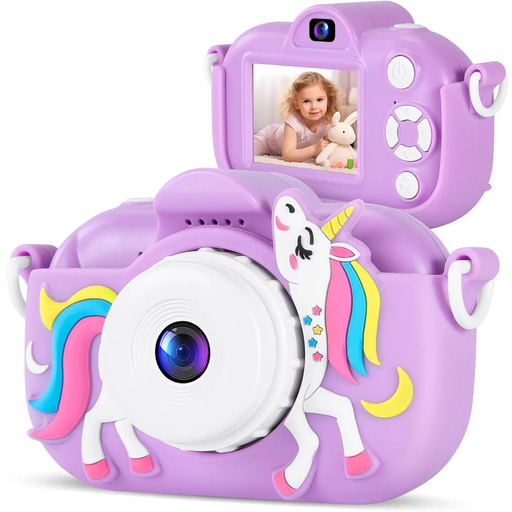
Its Key Advantage
Here, the focus is on durability and safety, with a fun-designed soft protective case that makes all the difference. Its bright colour and shockproof design make it the ideal playmate for young adventurers.
Key Features
What age is it for?
This is the perfect first camera for children aged 3-7. Its sturdiness will reassure parents, while its fun look and simple operation will encourage them to explore the world around them.
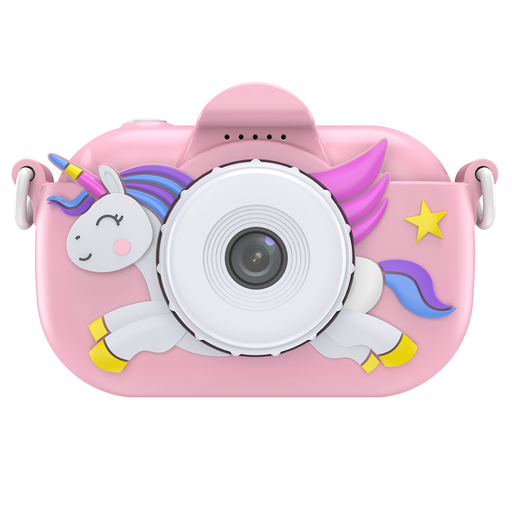
An Effective Classic
A cousin to the purple model, this pink version uses the same successful ingredients: protection, simplicity, and efficiency. A classic and reliable digital camera for kids, designed to capture everyday memories without any fuss.
What We Appreciate
Who is it for?
A reliable choice for 4-8 year-olds looking for a simple, functional, and durable camera. It's an excellent birthday gift idea for taking their first steps in photography.
The perfect gift remains a very personal choice. If these cameras aren't exactly what you had in mind, or if you're looking for inspiration for a different age group, our guide is here to help.
? Discover our selection of the best toys for 4-year-olds for more inspiration.
You can certainly give a very simple toy camera from as early as 3 years old. These models are designed to be nearly indestructible and very easy to handle. For a more complete digital camera or instant camera, the age of 5 or 6 is ideal. At this point, the child has better fine motor skills and a greater capacity for concentration.
Yes, because models like the one we feature use thermal printing. In practical terms, this means no ink cartridges to buy! The only consumable is the paper roll. The cost per photo is therefore very low, making it a perfectly viable option for frequent use.
Absolutely. It's the number one priority for manufacturers. The cameras in our selection feature non-toxic silicone cases, rounded edges, and robust materials. However, always read the manufacturer's warnings, especially regarding small parts that could be hazardous for children under 3. Finally, a common-sense reminder: charging the device should always be supervised by an adult.