For a child’s snack, choose a Digestive if you’re looking for a wheat-based recipe, or a classic butter biscuit if you prefer a recipe made with butter. A gluten- and lactose-free option may suit a dietary exclusion, but always check the packaging. In every case, compare the nutritional information per 100 g, ingredients and allergens, rather than judging a biscuit by its name. Nutri-Score can help you compare similar products when it’s shown, but displaying it is voluntary in France, according to Santé publique France.
Who is this choice for?
Parents who pay attention to what goes into their child’s snack
For a child aged 4 to 17, you want to choose a biscuit without relying solely on its taste or packaging. Manger Bouger advises limiting foods that are high in fat and sugar and, if you offer biscuits, particularly avoiding those with a Nutri-Score E.
Families managing a dietary exclusion
You’re looking for a product that’s suitable for excluding gluten or lactose. Check the exact recipe and information about other allergens: a ‘gluten- and lactose-free’ label doesn’t cover every dietary exclusion.
Shoppers looking for a particular recipe
You’re choosing between a wholemeal-wheat Digestive and a butter biscuit. The ingredients list helps you tell these recipes apart. The name alone won’t tell you about the biscuit’s nutritional values or whether it’s suitable for a dietary exclusion.
What should you look for?
When comparing biscuits for the same snack occasion, first rule out any recipes that aren’t suitable for a dietary exclusion. Then compare the labels and the type of biscuit you’re looking for.
| What to consider |
What to check |
Who it matters to |
| Nutritional composition |
Compare biscuits intended for the same occasion per 100 g: sugars, saturated fatty acids and salt. Check the Nutri-Score if it’s shown on the packaging. |
For a child’s snack, the ingredients and nutritional profile may matter more than the recipe name. Around 42% of consumers would prioritise this factor. |
| Allergens and dietary exclusions |
Read the allergens highlighted on the label and any ‘may contain’ statements for the exact product. |
If a dietary exclusion is necessary, choosing a suitable biscuit comes before considering its taste. Around 33% of consumers would make suitability their priority. |
| Recipe and taste |
Use the ingredients list to distinguish a wholemeal-wheat Digestive from a butter biscuit. |
If your child prefers a familiar recipe, choosing between a Digestive and a butter biscuit can help guide your purchase. Around 25% of consumers would put this preference first. |
Common misconceptions to avoid
-
Assuming Nutri-Score has to appear on every packet
According to Santé publique France, displaying Nutri-Score is voluntary in France. The DGCCRF states that a nutrition declaration is mandatory for the relevant prepacked foods, so you can still check the nutritional values even if the logo isn’t shown.
Use the logo when it’s available, then check the nutritional information per 100 g and the ingredients list.
-
Guessing the allergens from the biscuit’s name
The St Michel and LU biscuits described in their product information contain wheat- and milk-based ingredients; the St Michel listing also mentions eggs. ‘Plain’ or ‘Digestive’ doesn’t mean a biscuit is suitable for a dietary exclusion.
Check the allergens in the ingredients list and any warnings about traces on the packet you choose. The DGCCRF states that allergens present in the ingredients must be highlighted.
-
Treating ‘Digestive’ or ‘made with pure butter’ as a nutritional indicator
These terms describe styles of biscuit, not their sugar or fat content. Recipes can vary.
Compare the same values per 100 g across biscuits intended for the same occasion, then take the portion you plan to offer as a snack into account.
-
Making biscuits the main part of every snack
For children aged 4–17, Manger Bouger recommends varying snacks and limiting foods that are high in fat and sugar.
If you offer biscuits, consider them as one of several snack options rather than a regular, automatic choice.
Brands to know when comparing recipes
McVitie’s
Carrefour’s product listing for Digestive Original describes a wholemeal-wheat Digestive-style biscuit.
- The recipe shown contains 16% wholemeal wheat flour, a useful detail when identifying this specific product.
- It contains wheat, sugar and salt, among other ingredients. Check the label if any of these affect your choice.
Gerblé
Auchan’s listing for Happy Digest Coco labels it as gluten- and lactose-free.
- It’s an option to consider if you’re looking for a recipe suitable for excluding these specific ingredients.
- These claims don’t guarantee it’s suitable for other dietary exclusions, so check all the allergen information on the packet.
St Michel
The butter biscuit on its Joybuy listing is a classic recipe, distinct from a Digestive.
- Butter is included in the recipe shown for this product.
- The listing mentions wheat, milk and eggs, so this biscuit isn’t suitable if you’re excluding these ingredients.
LU
The plain biscuit on the Joybuy listing is another example of a classic recipe to compare.
- The ingredients list lets you identify wheat flour and butter, among other ingredients, in this product.
- The word ‘plain’ doesn’t mean you can skip checking allergens and nutritional information.
A classic butter biscuit on Joybuy
This butter biscuit is a classic option if you’re looking for a familiar recipe for a snack. Before choosing it, check that the ingredients are suitable for your child and compare its label with those of the other biscuits you’re considering.
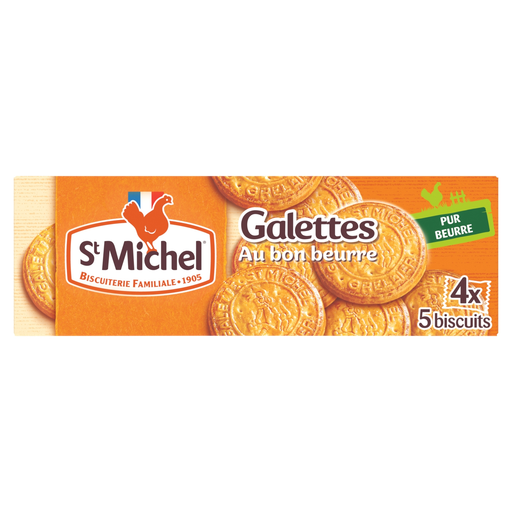 Image unavailable
St Michel Butter Biscuits, 130 g
A classic butter biscuit to consider if you’re looking for a recipe made with butter rather than a Digestive. The Joybuy listing for this product says it contains wheat, milk and eggs, and may also contain soya and nuts. It lists 26 g of sugars per 100 g. Compare this with the same value for the other biscuits you’re considering.
View on Joybuy
Frequently asked questions
Is Nutri-Score mandatory on biscuits in France?
No. According to Santé publique France, displaying it is voluntary. The DGCCRF states that a nutrition declaration is mandatory on the relevant prepacked foods, so check it even if Nutri-Score isn’t shown.
What should you check on the label of a packet of biscuits?
Check the ingredients list, the allergens highlighted on the label and the nutritional values per 100 g. The DGCCRF states that allergens must be identified in the ingredients list, so check the details for the product you’re buying.
Does ‘Digestive’ mean a biscuit is a better choice for a snack?
No. The name alone isn’t enough to assess its nutritional profile. Carrefour’s listing for McVitie’s Digestive Original includes wholemeal wheat flour, as well as sugar and salt. Compare its label with those of the other biscuits you’re considering.
When should you consider gluten- and lactose-free biscuits?
Consider them when gluten or lactose needs to be excluded. Check the information for the exact product and any warnings about other allergens: a recipe carrying both claims isn’t automatically suitable for every dietary exclusion.
How should biscuits fit into snacks for children aged 4–17?
Manger Bouger advises varying snacks and limiting foods that are high in fat and sugar. If you offer biscuits, it particularly recommends avoiding those with a Nutri-Score E. Consider the portion in line with your child’s age and appetite.


