Parents organising a baking session
If you’re serving the biscuits as they are, individually wrapped portions make them easier to hand out. If you’re breaking or crumbling them into a recipe, a sharing pack lets you choose how much to use.


To give each child a ready-to-serve portion, choose individually wrapped biscuits or bars. If you want to crumble biscuits or mix them into a recipe, a sharing pack gives you more flexibility over quantities. Before sharing biscuits at school, check the allergens in the product you’ve bought and any guidance that applies to the children concerned. In France, Nutri-Score is voluntary. If it appears on the packaging, it can help you compare similar products, but it doesn’t replace checking the ingredients.
If you’re serving the biscuits as they are, individually wrapped portions make them easier to hand out. If you’re breaking or crumbling them into a recipe, a sharing pack lets you choose how much to use.
Check the ingredients and allergen information on any pack you plan to share. The French Ministry of National Education explains that an individualised support plan (PAI) can include dietary adjustments for a pupil who needs them.
For products intended for the same use, the nutrition information per 100 g lets you compare recipes. Nutri-Score can be a useful additional guide when displayed; the French Ministry of the Economy points out that its use is voluntary in France.
First decide whether the biscuits will be handed out or used in a recipe, then check the exact product before sharing it. The French Ministry of the Economy explains that allergens must be highlighted in the ingredients list. The nutrition declaration on pre-packed foods then gives you a basis for comparison.
Choose these: when each child needs a ready-to-serve portion, particularly away from the kitchen.
Bear in mind: the number of portions depends on the pack size, and individual wrapping doesn’t guarantee that a product is suitable for a particular diet.
Choose these: when the children will be breaking, crumbling or adding a chosen amount of biscuits during the session.
Bear in mind: you’ll need to organise how the biscuits are handled and keep the pack so you can check the ingredients again.
| What to consider | What to check | Who it matters to |
|---|---|---|
| Allergens and sharing at school | Read the ingredients, highlighted allergens and any ‘may contain’ statements. Check the school’s guidance and any applicable PAI. | If a child needs to avoid an ingredient, I need to check the pack before planning to share it with the group. Around 42% of consumers put this compatibility first. |
| Format for the activity | Count the individual biscuits or sachets, and distinguish between portions to hand out and biscuits intended for the recipe. | For handing out biscuits, I want enough individually wrapped portions; for baking, I’d rather be able to adjust the amount. Around 33% of consumers prioritise format. |
| Comparing nutritional information | Compare products intended for the same use using the nutrition information per 100 g; check Nutri-Score if it’s displayed. | Once I’ve checked the format and any sharing restrictions, I want to compare the recipes without relying on the logo alone. Around 25% of consumers prioritise nutritional comparisons. |
Ingredients vary from one biscuit to another. According to the French Ministry of the Economy, allergenic ingredients must be highlighted on the label; some products also carry ‘may contain’ statements.
Check the pack you’ve bought before the activity. For a child with an allergy, follow the guidance from their family and school, including any relevant PAI.
The French Ministry of the Economy says that this logo is voluntary in France. Its absence alone doesn’t tell you whether a biscuit’s ingredients are suitable.
Compare the ingredients and nutrition information per 100 g for products intended for the same use, then check the score if it’s shown.
A box containing several biscuits doesn’t necessarily mean that each biscuit is individually wrapped. Conversely, a large pack may contain lots of individually wrapped portions.
Check the number of sachets or biscuits and choose according to the activity: handing them out as they are or using them in a recipe.
The St Michel shop lists P'tits Feuilletés Chocolat in a bulk pack of 175 individually wrapped biscuits.
BN offers several ranges of filled biscuits, including Mini BN and BN Sensation.
Carrefour’s listing for Biscuits Barres Cœur au Lait Classic' describes a 125 g box.
The Auchan Less Sugar range includes oat bran and chocolate bars, available in a pack of six.
Marque Repère products are worth considering when comparing biscuits intended for the same use.
These biscuits and bars are suitable if you’re looking for portions to hand out individually during an activity with children. If you’d rather crumble the biscuits into a recipe, check that their shape and packaging are suitable.
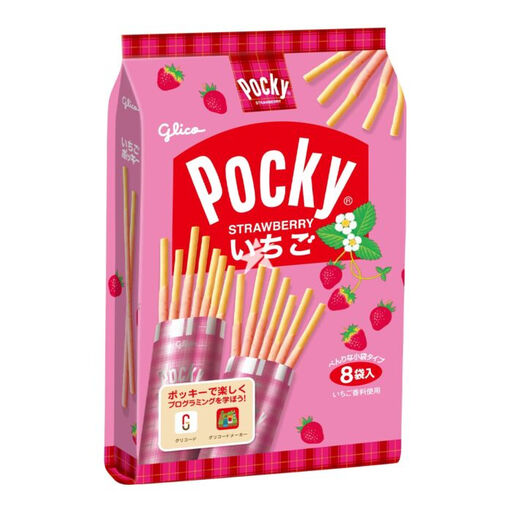 Image unavailable
The individual sachets are handy for handing out ready-to-serve portions. The product listing notes wheat, milk and soya: check the pack you’ve bought against any relevant guidance before sharing.
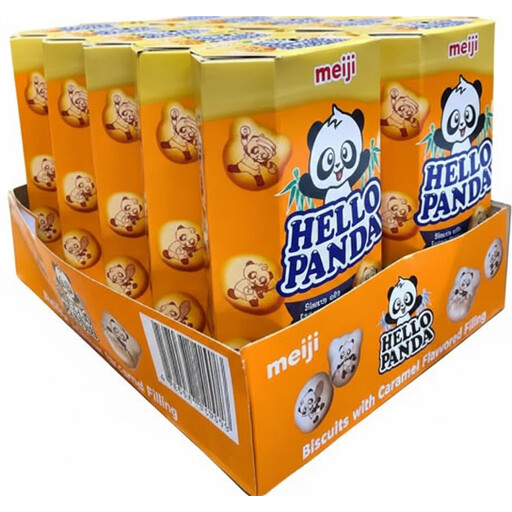 Image unavailable
This pack gives you ten portions to hand out individually. The listing declares wheat, milk and soya; check these details on the pack you’ve bought before serving the biscuits.
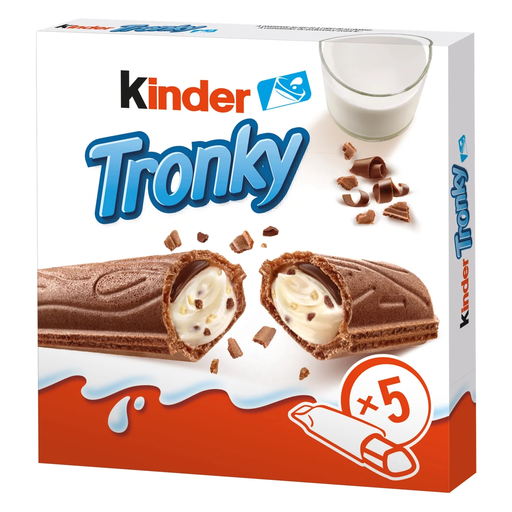 Image unavailable
The bar format works for handing out individual portions, provided there are enough bars for everyone taking part. The listing declares gluten, milk, soya and hazelnuts; check the packaging before sharing.
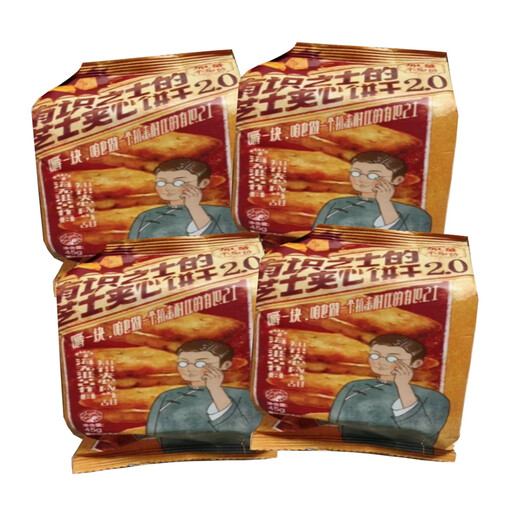 Image unavailable
The four sachets make it easy to plan separate portions for a small group. The listing notes wheat, soya and milk; check the ingredients on the pack before sharing.
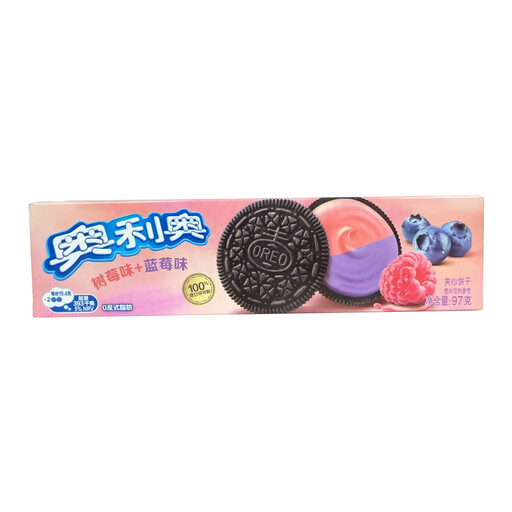 Image unavailable
The two sachets provide two separate portions, so check that there are enough for the children taking part. The listing notes wheat and soya; check the pack you’ve bought before the activity.
No. The French Ministry of the Economy explains that displaying it is voluntary in France, while a nutrition declaration is generally compulsory for pre-packed foods. Compare the values per 100 g for similar products, whether or not the logo is shown.
First check the children’s needs and the school’s guidance. The French Ministry of National Education says that a PAI can include dietary adjustments for a pupil who needs them; check the product label for allergens before sharing.
Read the statement alongside the ingredients list and check it against the guidance that applies to the child concerned. On its own, it isn’t enough to confirm that the biscuit is suitable for an avoidance diet.
Keep it so you can check the ingredients, allergens and storage instructions for the product you’re using. This is particularly useful if you’ve taken the biscuits out of their packaging to prepare the recipe.