
Livraison le jour même ou le lendemain

Qualité garantie

Débloquez vos offres de bienvenue: Livraison GRATUITE | Jusqu'à -80 % | 30 jours d'essai gratuits à JoyPlus
Téléchargez l'application
Buying a kids’ bike isn’t just about picking a colour or wheel size. From balance bikes and adaptable tricycles to pedal bikes, stability, adjustability and the parent’s role can completely transform a child’s experience.
Some marketing claims are also worth a closer look before you place your order :
For a child around 1 to 3 years old, a balance bike without pedals helps develop coordination and balance, provided the saddle is low enough for their feet to touch the ground. Three- or four-wheel models offer more stability for those first discoveries.
Between 2 and 5 years old, an adaptable tricycle or a 3-in-1 convertible bike can support several stages: parent-guided rides, independent movement, then learning to pedal. A parent handle comes in handy on outings, but it never replaces close supervision.
For children aged 4 to 7, a pedal bike with removable stabilisers can ease the transition to independence. A 16-inch kids’ bike often suits children measuring around 105 to 135 cm, while a 20-inch kids’ bike is generally aimed at taller or more confident children. However, always check these guidelines against the dimensions provided by the manufacturer.
The saddle must be adjustable so your child can maintain a natural position. On a tricycle, pay particular attention to :
A lightweight frame makes manoeuvring easier, but a model that’s too light may lack stability depending on its design. Conversely, a heavy bike will be harder for a young child to lift and control.
EVA wheels, which are usually tubeless, reduce the risk of punctures and work well on concrete, tarmac or paving. However, they don’t replace proper tyres designed for rough terrain. For an off-road kids’ bike, look closely at the tyre width, total weight and braking system.
On a pedal bike, a front V-brake combined with a rear coaster or disc brake should be explained to your child before their first ride. A chain guard, handlebar end caps and steering that doesn’t turn too sharply are also real everyday benefits.
Products intended for young children must be used in line with the instructions and manufacturer’s warnings. Wearing a helmet, choosing a clear practice area and having an adult present are all essential. If a certification or compliance reference is mentioned on a product page, check it in the supplied documentation.
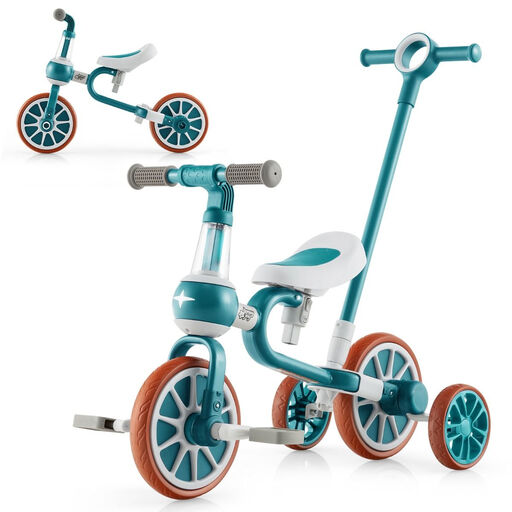
Why this choice suits this profile: Designed for children aged 2 to 4 who start with accompanied rides, this tricycle offers four configurations and an adjustable handle with four positions.
The pedals and stabilisers are removable. The steering angle is stated as limited to 135°, a concrete detail that stops adaptability being just a marketing promise.
Adjustable saddle from 33 to 37 cm, EVA wheels and a stated load capacity of up to 30 kg.
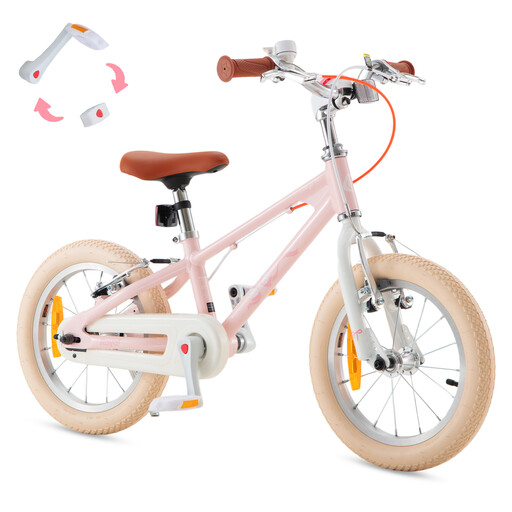
Why this choice suits this profile: Its aluminium alloy frame and 2-in-1 system are aimed at families looking for an adjustable bike for daily trips and leisure rides alike.
Switching from balance mode to pedalling uses a tool-free, quick-release crank system rather than permanent accessories.
16-inch wheels, dual hand brakes, adjustable saddle and handlebars.
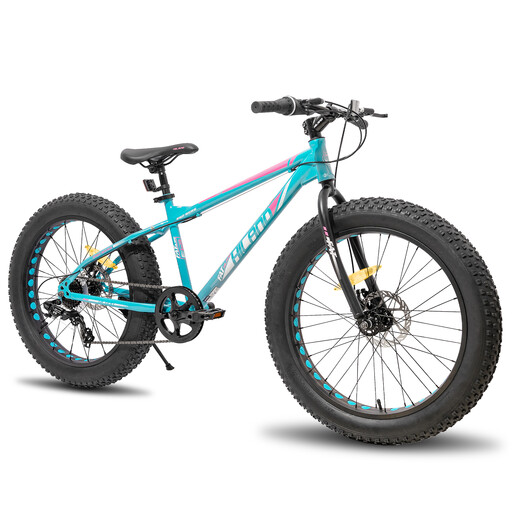
Why this choice suits this profile: This off-road kids’ bike is aimed at children who are already independent and able to ride on gravel, paths or varied surfaces.
Its 4-inch tyres and two disc brakes are clearly identifiable. However, its stated weight of 16.8 kg should be taken into account before purchase.
20-inch wheels, seven gears and tyres suited to several types of terrain according to the product page.
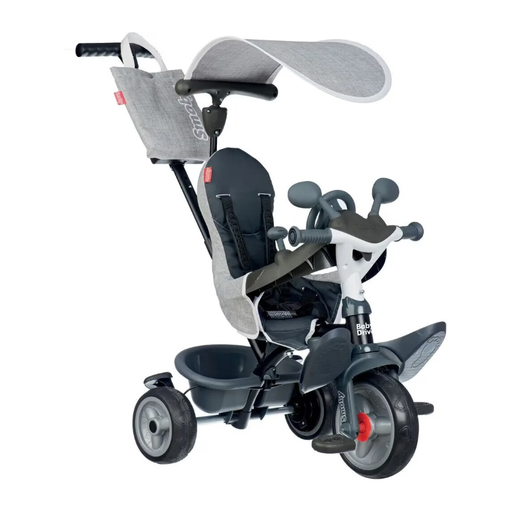
Why this choice suits this profile: With its parent handle, this tricycle is suitable for accompanied outings from 10 months, then for gradually learning to pedal.
The functions for parent and child can be separated. The product page also mentions a parking brake, a harness and a retractable footrest.
Adjustable handle up to 98 cm, washable cover, adjustable sun visor and claimed puncture-proof tyres.
We’ve put together a comprehensive, real-time updated selection of products that meet these demanding criteria as well as European safety regulations.
A balance bike, a tricycle or an adaptable model with a parent handle can all work. Above all, check that the saddle allows your child to place their feet flat on the ground and that the steering is easy to control. During outings, the adult must keep control of the surroundings.
The choice depends primarily on your child’s height and inside leg measurement. A 16-inch bike often suits children measuring around 105 to 135 cm, while a 20-inch bike is generally for taller children. These guidelines can vary depending on the frame geometry, so always consult the manufacturer’s size chart.
It depends on your child’s growth, how often it’s used and how well it’s maintained. An adaptable model can last longer if its adjustments genuinely match your child’s size. Before every ride, check the brakes, wheel tightness, steering, tyres and any removable parts. Storing it away from damp conditions will also help reduce wear.