
Livraison le jour même ou le lendemain

Qualité garantie

Débloquez vos offres de bienvenue: Livraison GRATUITE | Jusqu'à -80 % | 30 jours d'essai gratuits à JoyPlus
Téléchargez l'application
Choosing a child's first bike is an unforgettable moment. It's the promise of laughter, newfound independence, and wonderful family rides. Yet, with the overwhelming array of models available, this decision can quickly become a headache. Our mission? To help you navigate the options and make the right choice, always prioritising your child's safety and joy of learning.
Before you dive in, let's review the common mistakes to avoid so that the dream doesn't turn into a nightmare.
To avoid these pitfalls, focus on three objective features that guarantee safety, comfort, and a smooth learning experience.
Forget age as your only guide. A kid's bike size is measured in inches ("), which corresponds to the wheel diameter. The most reliable criterion is your child's inseam measurement. They should be able to sit on the saddle and touch the ground with the tips of their toes; this is the secret to making them feel confident.
A lightweight kid's bike is key. Aim for a bike that weighs no more than 40% of your child's body weight. Aluminium frames are an excellent option: they are lighter than steel, don't rust, and offer increased manoeuvrability. The child will be able to pick it up, steer it, and, most importantly, find their balance more easily.
Today's ultimate learning bike is often a convertible balance bike. This type of 2-in-1 bike starts without pedals. The child focuses on the essentials: steering and balance. Once they master gliding for several metres with their feet up, you simply install the pedal assembly. The transition then takes just a few minutes, completely skipping the "training wheels" phase. It's a proven method for fast, confident learning.
Here is a selection of models that tick all the boxes, designed for different types of children and parent expectations.
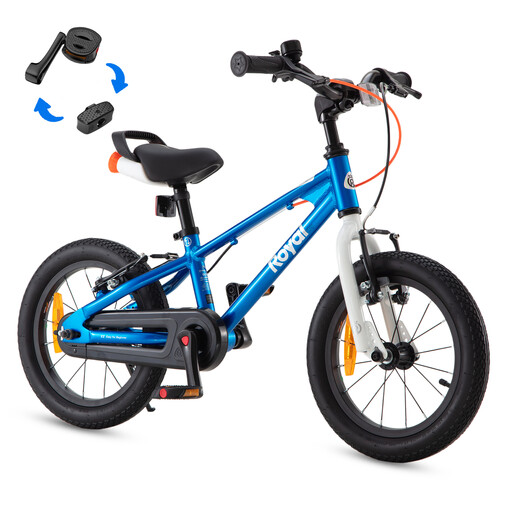
Why this model? Perfect as a bike for 3-year-olds, this model is designed for getting started. Its dual functionality allows them to begin in balance bike mode to master balance before moving on to pedalling, all on the same bike.
Its high-quality aluminium frame makes it a lightweight kid's bike (7.4 kg) that's easy to handle. Its 2-in-1 convertible balance bike design skips the training wheels stage and makes it a long-lasting purchase.
Patented tool-free quick-release pedal system. Adjustable seat and handlebars to grow with your child.
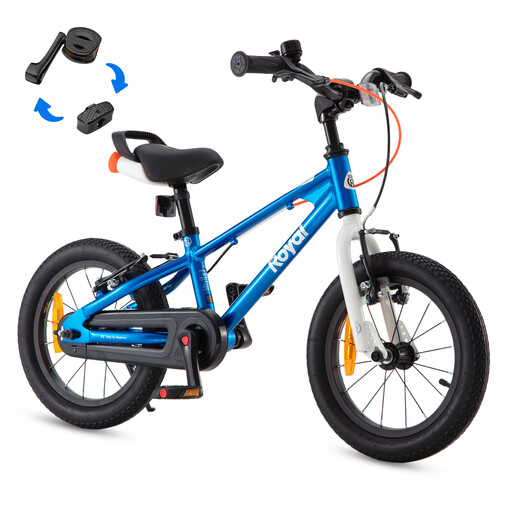
Why this model? Perfect as a bike for 5-year-olds or for older children who are just starting out. The 16-inch bike offers more stability when picking up speed, while retaining the benefits of a lightweight, convertible model.
Despite its larger size, it remains very light (7.8 kg) thanks to its aluminium frame. The low step-through frame is easy to mount, which builds confidence. Its height adjustments make it a purchase that will last for several years.
Dual handbrake system (front and rear) for learning to brake safely. 2-in-1 design to adapt to the child's skill level.
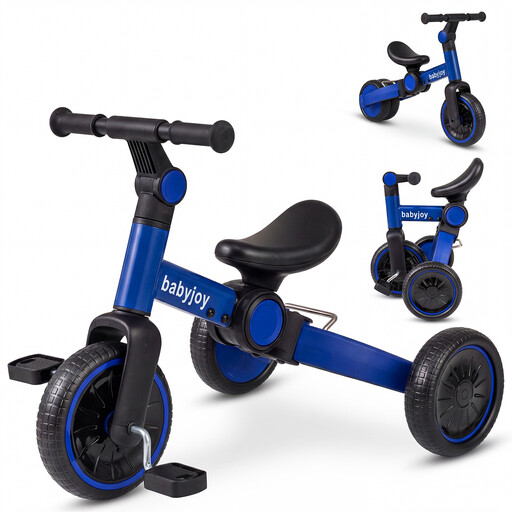
Why this model? For parents looking for a single product that can grow with their child for several years, from their first tricycle steps to a pedal bike. It's the ultimate all-in-one solution.
It directly tackles the pitfall of short-term buying. Its multiple configurations (tricycle, balance bike, pedal bike) allow you to get the most out of your investment over several years and learning stages.
Maximum flexibility to adapt to the child's motor skills and confidence at every stage. Removable pedals and modular design.
Whatever model you choose, safety remains the absolute priority. Wearing a well-fitting, suitable helmet is essential from the very first ride. A model like the DKONI HS-086 helmet with an integrated LED light can, for example, improve visibility during late afternoon or evening rides. Ensure the helmet complies with European safety standards (CE mark).
We've compiled a comprehensive list of products that meet our quality criteria and safety regulations.
1. How do I accurately measure my child's inseam? Have your child stand with their back against a wall and their feet slightly apart. Place a hardcover book between their legs, raising it up to their crotch to simulate the saddle. Measure the distance from the top of the book to the floor. This measurement is your most reliable guide for choosing the frame height and wheel size.
2. Is a lightweight aluminium kids' bike really better than a steel one? For a young child, the difference is huge. An aluminium frame can reduce the bike's total weight by 1 to 3 kg compared to a standard steel frame. This weight saving directly translates to easier handling, less frustration during learning, and increased safety, as the child has better control over their machine.
3. When should I install the pedals on a convertible balance bike? The cue is when your child can launch themselves and glide for several metres with their feet off the ground, all while maintaining their path and balance. It's not a matter of age, but of confidence and skill. Once this balance is mastered, adding the pedals is often a very natural transition that takes just a few minutes.