
Livraison le jour même ou le lendemain

Qualité garantie

Débloquez vos offres de bienvenue: Livraison GRATUITE | Jusqu'à -80 % | 30 jours d'essai gratuits à JoyPlus
Téléchargez l'application
Choosing a child's first bike is a milestone, but the market often feels like a maze of sizes, options, and technical jargon. Faced with a marketing blitz, it's easy to make a mistake and choose an unsuitable model that could discourage your budding cyclist. This guide is designed to break down the essentials and help you find the perfect bike—one that will truly keep up with your child's adventures.
Before you start, avoid the most common pitfalls that can turn a promising purchase into a costly mistake?:
To avoid these traps, focus on a few key criteria that guarantee the bike's safety, comfort, and longevity.
Age is just an indicator. The child's height, and more specifically their inseam measurement, is the only metric that truly matters. This measurement determines the minimum seat height and, therefore, the right bike size.
Wheel sizes, expressed in inches, correspond to height and inseam ranges?:
The choice of bike type depends on the child's learning stage.
We've said it before, but it's essential?: weight is crucial. An aluminium alloy frame is much lighter than a steel one, which makes all the difference in handling, pedalling, and even carrying the bike (by the parents!). For a bike for a 3-6 year old, aim for under 8?kg. For the little ones, every kilo saved is a win.
Here are a few options that meet specific needs, taking into account the selection criteria we've discussed.
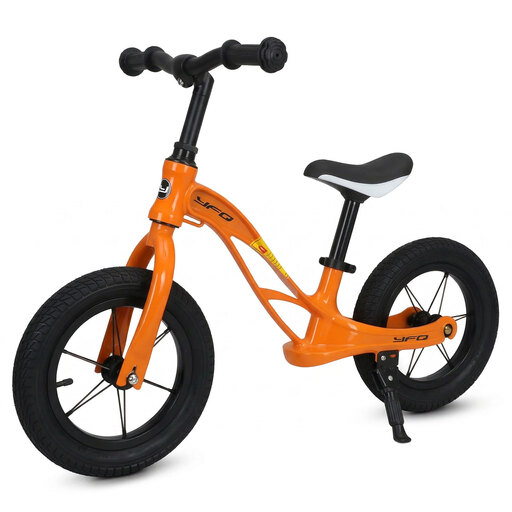
Why we recommend it : Perfect as a very first bike, this balance bike is designed so that children aged 3 to 6 can focus on one thing : finding their balance. It's the key step before moving on to pedals. Its light weight makes it easy to manoeuvre and pick up after a small fall.
This feather-light model avoids the trap of a bike that's too heavy. Its adjustable seat allows it to grow with the child, so you don't have to buy a new one six months later.
Puncture-proof solid tyres for minimal maintenance and worry-free use. Adjustable seat and handlebars to keep up with the child's growth.
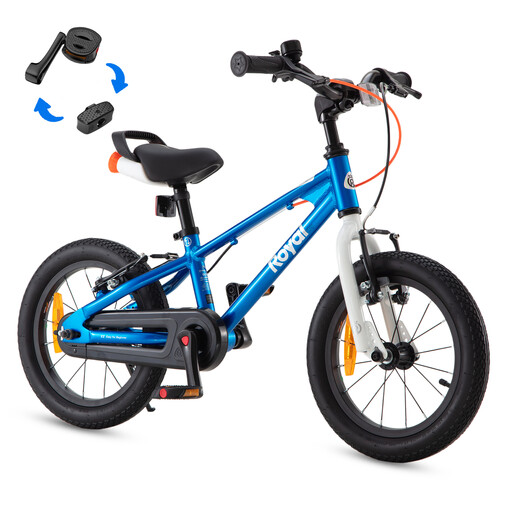
Why we recommend it : This is the perfect solution for parents looking for a smart, long-lasting purchase. This 2-in-1 bike first serves as a balance bike, then converts to a pedal bike thanks to its removable pedal kit. A single purchase to support a child through several years of learning.
It perfectly solves the problem of adjustability. No more bikes that are outgrown in a year! Its aluminium frame (only 7.4 kg) makes it a lightweight and manageable model for a 3 to 5-year-old.
Patented quick-release pedal system allows you to switch from balance bike to pedal mode without tools. Low frame for easy and safe mounting.
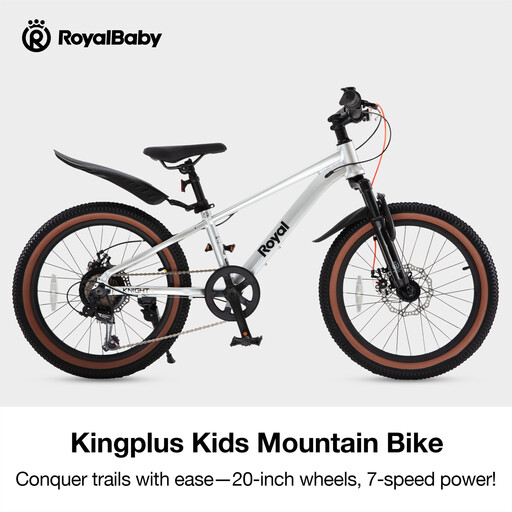
Why we recommend it : For 6-10 year olds who have already mastered cycling and want to take it to the next level. This kids' MTB is truly built for adventure : dirt tracks, forest trails, and small jumps are waiting, with maximum comfort and control.
This isn't just a bike dressed up as an MTB. It features real, functional components (gears, suspension) designed for off-road use, avoiding the trap of "gimmicky" equipment that breaks on the first outing.
7-speed drivetrain with a grip shifter, front suspension fork to absorb shocks, and dual disc brakes for reliable stopping power.
Explore our full selection of kids' bikes, all tested and approved by our editors according to these quality and safety criteria.
A child can usually start between 18 months and 2 years, as soon as they are walking confidently. But the real factor is their size?: they must be able to sit on the saddle with both feet flat on the ground to feel secure.
The most effective method today is to start with balance, which means using a balance bike (no pedals). The transition to a standard bike is then much more natural, often without ever needing training wheels. In fact, training wheels can hinder the process of learning to balance by providing a false sense of stability that later becomes a crutch.
The test is very simple. For a first pedal bike, the child, once seated on the saddle, should be able to touch the ground with the balls of both feet. This ensures they can stabilise themselves when stopped without panicking. For a balance bike, both feet should be completely flat on the ground. In any case, measure your child's inseam and compare it to the brand's sizing guide.