
Livraison le jour même ou le lendemain

Qualité garantie

Débloquez vos offres de bienvenue: Livraison GRATUITE | Jusqu'à -80 % | 30 jours d'essai gratuits à JoyPlus
Téléchargez l'application
Choosing a bike for your child can often turn into a real headache. Size, weight, safety, type of use… the criteria are so numerous that it's easy to get lost. Should you get a basic model for park rides or a more rugged kids' MTB for the trails? How can you be sure the investment will keep up with their growth without becoming obsolete in six months?
As expert editors, our mission is to guide you through this jungle of options with clear, objective advice. This guide is designed to give you all the keys to finding the ideal kids' bike: one that is safe, well-suited, and will spark their love for adventure.
Before comparing models, let's review the three fundamental criteria that will guide your choice.
Unlike adult bikes, the size of a kids' bike is defined by its wheel diameter, expressed in inches. This is the non-negotiable starting point to ensure both comfort and safety. A bike that's too big is a danger because it's difficult to control, while a model that's too small quickly becomes uncomfortable and inefficient for pedaling.
Our expert tip: More than age, it's the inseam measurement that counts. Golden rule: while sitting on the saddle at its lowest setting, your child must be able to touch the ground with the balls of their feet. This guarantees total control in case of an unexpected stop.
A child doesn't have the strength of an adult. A bike that's too heavy quickly becomes a burden: hard to get moving, difficult to maneuver, and impossible to lift onto a curb. Frustration is guaranteed. A lightweight kids' bike is therefore the key to boosting their confidence and enjoyment with every pedal stroke.
The frame material has a direct impact on the final weight. An aluminum kids' bike frame represents the best compromise: it combines lightness, durability, and rust resistance, unlike steel, which is much heavier and susceptible to corrosion.
Your child's favorite playground will determine the type of bike to choose.
To move from theory to practice, here is our selection of bikes that caught our attention. They meet different needs and ages, with a special emphasis on quality and safety.
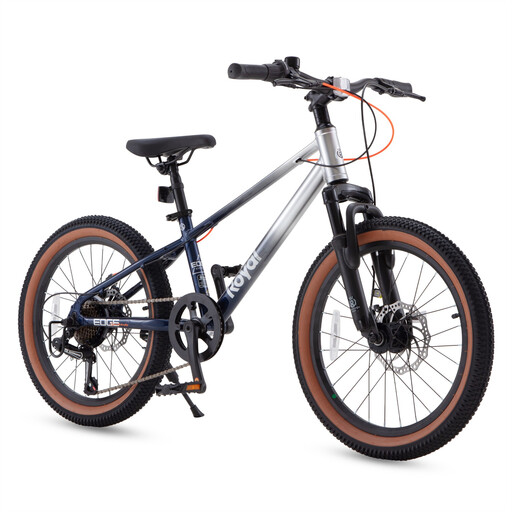
Why it stands out: This model is an excellent introduction to the world of mountain biking. Its front suspension and 7-speed drivetrain give it the versatility needed to venture off the pavement, while remaining perfectly comfortable for daily rides.
Pros:
Who is it for? For kids aged 6 to 10 who are ready to start using gears and explore dirt paths or forest trails.
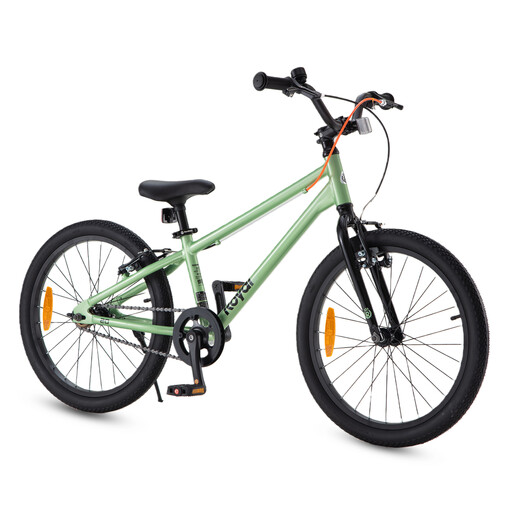
Why it stands out: Its key feature: its feather-light weight. Its aerospace-grade aluminum frame is incredibly light (0.9 kg bare!), which is a complete game-changer for learning balance and maneuverability. It's an excellent example of a lightweight kids' bike.
Pros:
Who is it for? Perfect for ages 6-10, especially for beginners or smaller children. Its lightness is a real confidence and fun booster.
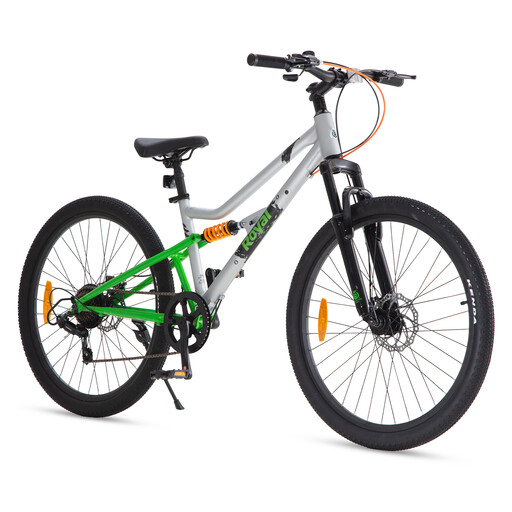
Why it stands out: This 26-inch bike is aimed at teens ready to take it to the next level on more technical terrain. Its dual suspension (front and rear) absorbs everything, offering amazing comfort and control on rough trails. It's a true kids' all-terrain bike built for adventure.
Pros:
Who is it for? For teens aged 13 and up who want a high-performance MTB to explore trails, go on forest rides, and try their first descents.
Do the models in our selection not quite match what you're looking for? Need a different size or a specific configuration? Feel free to explore our complete collection. The perfect bike for your young cyclist is surely in there.
? Discover our complete collection of lightweight kids' bikes
Age is an indicator, but the child's height, and especially their inseam measurement, are much more reliable. As a general guide:
It all depends on their age and their playground. For younger kids (under 7) or for use exclusively on flat ground, a single-speed bike is ideal: simpler, lighter, and hassle-free. A bike with gears becomes relevant around age 7-8, when the child starts riding longer distances or tackling their first hills. It's an excellent way to learn effort management and opens the door to more athletic riding like a kids' MTB.
As long as they are good quality, both systems are effective. Here's how to decide between them: