
Livraison le jour même ou le lendemain

Qualité garantie

Débloquez vos offres de bienvenue: Livraison GRATUITE | Jusqu'à -80 % | 30 jours d'essai gratuits à JoyPlus
Téléchargez l'application
Giving a child arts and crafts supplies is an excellent way to stimulate their imagination and fine motor skills. But when faced with a jungle of products and their sometimes misleading claims, finding the ideal gift can quickly become a headache. As a product expert at Joybuy, I'm here to decode the market for you. Let's review the common pitfalls and the criteria to check for a truly informed choice.
Fortunately, a few simple checks are all it takes to avoid these disappointments. They will help you choose a hands-on activity for your child that is safe, practical, and fun.
Safety is non-negotiable. All materials intended for children must comply with strict standards.
Each type of paint has its own characteristics. The choice depends on the child's age and the desired effect.
Ease of use is essential for a child to enjoy the creative process.
To help you choose, here is our selection of products that tick all the boxes, based on the criteria we've just covered.
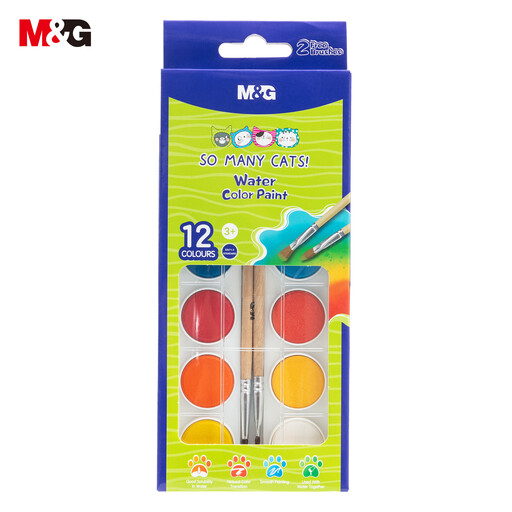
Why we love it: Perfect for a first introduction to painting. The solid pigment format minimises mess, and the formula is designed to be easily washable on most surfaces. That's sure to put parents' minds at ease.
The water-soluble formula is specifically designed for easy cleanup, directly countering the problem of stubborn stains. The kit is complete with a brush, preventing the frustration of an unusable set.
Compliant with the EN 71 safety standard. Compact and portable format, perfect for activities at home or on the go.
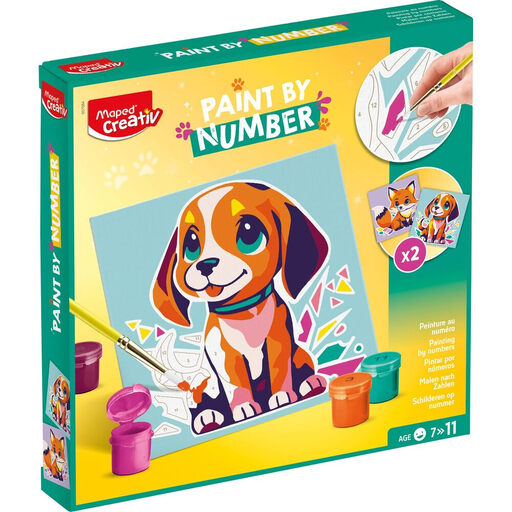
Why we love it: Perfect for children who enjoy guided activities. Kids' paint-by-numbers develops concentration and precision, while offering the satisfaction of a successful result. An excellent activity for a quiet afternoon.
This kit is truly all-inclusive: it contains the canvases, paints, brush, and even a frame. No unpleasant surprises, so the child can start painting immediately. The water-based acrylic paints are odourless and dry quickly.
An all-in-one activity that develops patience and fine motor skills. The final result can be framed to decorate the child's room.
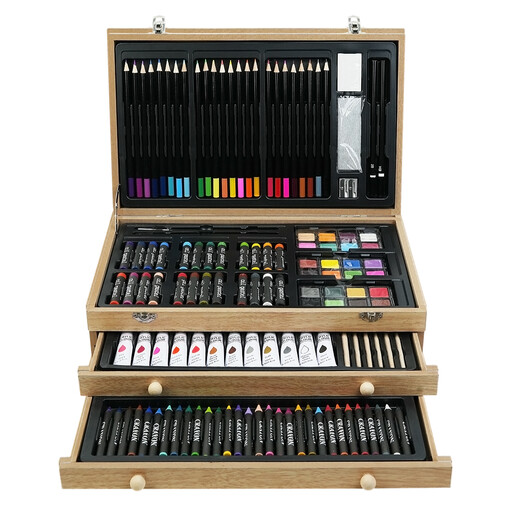
Why we love it: This is the ultimate creative gift set for a child who shows a real interest in art. It brings together a wide variety of media (pencils, pastels, watercolours) in a wooden case that makes storage and transport easy.
Unlike low-end kits, this set offers a very broad selection that allows the child to experiment with different techniques. The sturdy case protects the supplies and prevents pieces from getting lost.
A huge variety of supplies at a great price point. The wooden case presentation makes it a practical and impressive gift.
Explore our full selection of tested and approved products, all compliant with strict selection criteria and European safety regulations.
For a 3-year-old, the top priorities are safety and easy cleanup. Gouache in a pot or finger paint are perfect choices. Make sure they are water-based, non-toxic (compliant with the EN?71 standard), and specifically labelled as washable.
The simplest and most effective solution is a kids' painting apron. Opt for a waterproof, long-sleeved model like the Maped Color'Peps Painting Apron, which provides good coverage and wipes clean with a sponge. Remember to also protect the table with an old tablecloth or some newspaper.
Yes, absolutely. It's actually one of the best introductions to painting for a child (usually from age 7 and up). The numbered areas guide the budding artist, teach them patience and precision, and guarantee a final result they will be proud of. It's a very rewarding activity.