
Livraison le jour même ou le lendemain

Qualité garantie

Débloquez vos offres de bienvenue: Livraison GRATUITE | Jusqu'à -80 % | 30 jours d'essai gratuits à JoyPlus
Téléchargez l'application
Choosing a Jura Bourbon Cask whisky isn’t about mechanically comparing a label or an age. The type of cask, the alcohol strength, the bottle format and the flavour profile all play a part in the tasting experience.
This bottle of Jura whisky is aimed at fans of soft Scottish single malts with fruity and vanilla accents. Here are the criteria to consider before placing your order, the common mistakes to avoid and the alternatives to think about in 2026.
The Jura distillery is located on the Scottish island of the same name, generally grouped under the “Highlands and Islands” umbrella. A product page may therefore show several geographical indications, without this meaning the whisky is a blend from different regions.
For lovers of Highlands whisky, the most telling information remains the distillery’s location and the “single malt” mention. The Jura Bourbon Cask is indeed a Scottish whisky produced at a distillery on the Isle of Jura.
The “Bourbon Cask” mention indicates the type of cask used for maturation. American white oak casks that have previously held bourbon can impart notes of vanilla, coconut, caramel and ripe fruit.
This indication obviously doesn’t deliver the same result in every bottle. However, it does point towards a profile that is often rounded, smooth and woody – the opposite of a whisky matured mainly in sherry casks, which is typically more marked by dried fruit and spices.
A high price or a premium positioning isn’t enough to determine whether you’ll enjoy a bottle. It’s better to look at the concrete details:
A Scottish whisky at 40% ABV lends itself well to a relaxed tasting. Those seeking more power will sometimes turn to bottles with a higher alcohol strength.
The Jura Bourbon Cask is presented as a whisky aged in bourbon casks, with maturation in American white oak casks. This choice gives the whisky a rounded, approachable profile.
On the nose, the product page evokes vanilla and coconut. On the palate, apricot and creamy caramel appear, before a finish with notes of poached pear, cinnamon and cocoa.
These notes correspond to the sensory description provided for the product. They don’t guarantee that every taster will perceive exactly the same nuances, as sensations can vary depending on the palate and tasting conditions.
The Jura Single Malt 70 cl format works well for both personal tasting and as a gift. A 70 cl bottle allows you to serve around 14 to 17 glasses of 4 to 5 cl, depending on the pour you choose.
To preserve its aromas, keep the bottle upright, away from light and significant temperature fluctuations. Once opened, it can gradually evolve through contact with the air. Remember to reseal it properly after each use.
The producer recommends enjoying this whisky neat, at room temperature, or slightly chilled with ice. To explore its profile, start with a small amount without any additions, then try a few drops of water or an ice cube.
A tulip glass or a tapered whisky glass helps concentrate the aromas of vanilla, coconut and fruit. Alcohol is for adults only and should be consumed in moderation, in accordance with the safety regulations applicable in France.
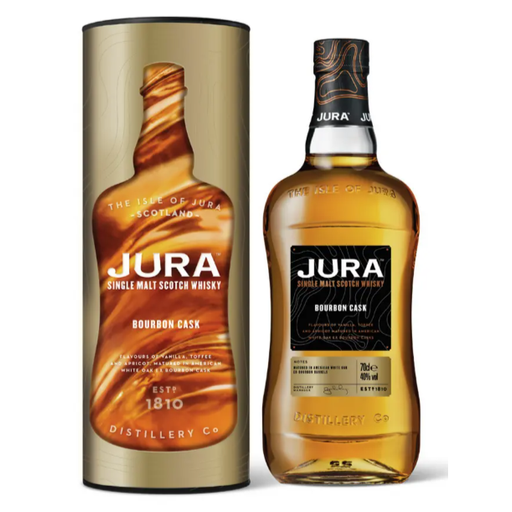
Why this choice suits this profile: With its 40% ABV and fruity profile, it offers an accessible entry point into the world of Scottish single malt, particularly for home tasting.
The product page specifies the cask type, volume, alcohol strength and aromas, allowing you to compare it objectively with other bottles.
Scottish single malt, maturation in bourbon casks, stated notes of vanilla, apricot and creamy caramel.
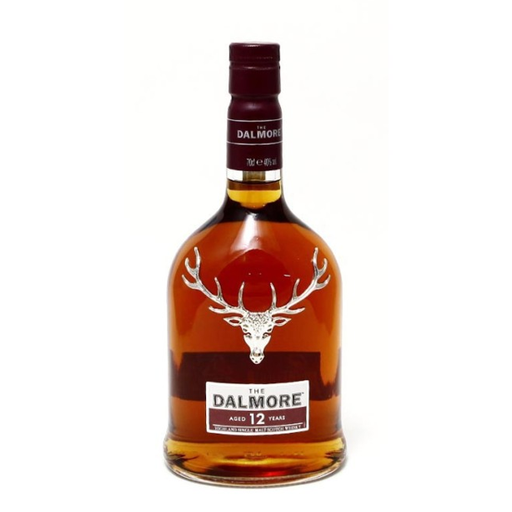
Why this choice suits this profile: This Highlands alternative combines maturation in bourbon casks with a finish in Oloroso casks, with stated notes of orange, nuts and apricot.
The product page states the 12-year age and the two types of casks used, rather than relying on vague marketing claims.
Highlands single malt, 40% ABV, 70 cl bottle, maturation combining bourbon and Oloroso sherry casks.
Why this choice suits this profile: The stated notes of apricot, vanilla, pear and cocoa offer several ways to approach the tasting, with no special preparation needed.
The product clearly states the different serving methods: neat, at room temperature or with ice.
70 cl format, 40% ABV strength and detailed aromatic profile, blending fruity, vanilla and spicy notes.
Yes. Served neat, it allows you to better identify the stated notes of vanilla, coconut, apricot and creamy caramel. You can then add a few drops of water or an ice cube to observe how they evolve on the nose and palate.
Jura whisky is produced on the Isle of Jura, Scotland. The Highlands refer to a vast whisky-producing region in Scotland. To tell them apart, you need to look at the distillery, the type of cask and the flavour profile, rather than just focusing on the region name.
A properly sealed bottle, stored upright and away from light, can remain enjoyable for a long time. However, as the level drops, more air occupies the space and can gradually alter the aromas. To minimise this, reseal the bottle carefully and avoid storing it in warm rooms or places exposed to direct sunlight.