
Livraison le jour même ou le lendemain

Qualité garantie

Débloquez vos offres de bienvenue: Livraison GRATUITE | Jusqu'à -80 % | 30 jours d'essai gratuits à JoyPlus
Téléchargez l'application
A dead battery: every driver's nightmare. When faced with this common and frustrating breakdown, a jump starter is the one essential rescue tool. The problem is, the market is flooded with models that make enticing promises but often deliver disappointing performance. Sorting reliable devices from useless gadgets is therefore crucial to ensure your peace of mind.
As a Product Expert at Joybuy, my mission is to help you navigate the jungle of options and identify the criteria that truly matter. This guide breaks down the common pitfalls to avoid and the technical specifications to inspect to make the right choice.
Before you jump on the first discounted model you see, be wary of the hidden flaws found in many low-end products. They could very well fail you at the moment you need them most.
To avoid these pitfalls, focus on three non-negotiable technical features.
This is the most important criterion. Beyond traditional lithium batteries, a new technology is changing the game: the sodium-ion jump starter.
Don't be blinded by peak current. Check the compatibility stated by the manufacturer. A good portable starter for SUVs and diesel engines must deliver a solid starting current (typically 400 to 600 A) to turn over large-displacement engines (up to 8L petrol or diesel). Also, ensure the clamps are robust, preferably made of pure copper for optimal conductivity, and that they include a suite of electronic protections (against reverse polarity, short circuits, overcharging, etc.).
A good jump starter power bank should be a device you can forget about until the day you need it. Check two things:
Here is a selection of products that meet different needs, all chosen based on their reliability and safety.
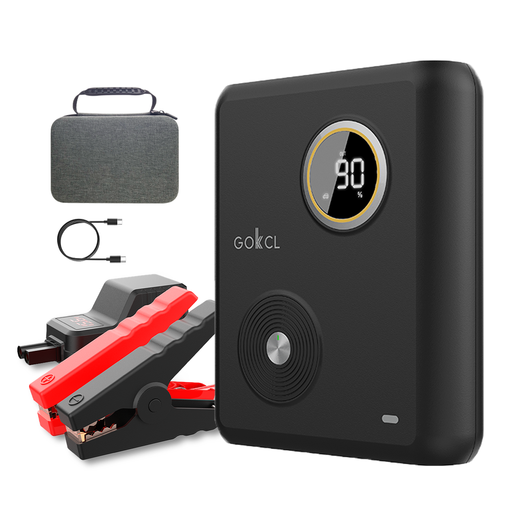
Why we chose it: Ideal for those living in regions with extreme climates or seeking a "set it and forget it" solution for their SUV, camper van, or diesel vehicle. Its motto: long-term reliability.
Its sodium-ion battery operates from -40°C to 80°C, sidestepping the thermal vulnerability trap. Its near-zero self-discharge (~1% per month) ensures up to 5 years of standby time: no more anxiety about a dead device.
Safety and Durability: Non-flammable chemistry and an endurance of over 6000 cycles. It can even be "revived" after a complete discharge, a feat impossible for lithium batteries.
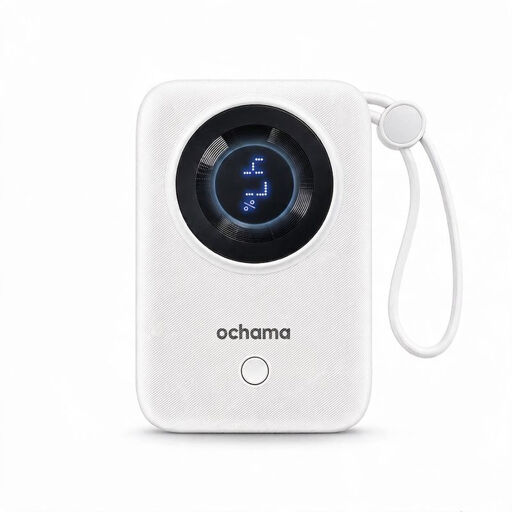
Why we chose it: For the driver who already has an emergency kit but needs to keep their gadgets (phone, GPS, tablet) charged under all circumstances. A companion, not a starter.
This is not a jump starter, and it doesn't pretend to be. Its sole mission: to charge your devices reliably and quickly, with integrated cables so you're never caught without power.
Versatility and Compactness: Integrates Lightning and USB-C cables, a USB-A port, and a screen to track the charge level down to the exact percentage. Perfect for daily use and travel.
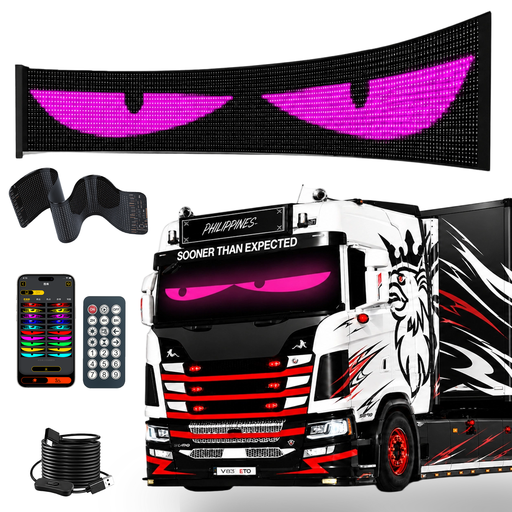
Why we chose it: For those who see their vehicle as an extension of their personality and want to add a unique touch of style, while potentially improving their visibility.
This accessory is all about aesthetics. Its waterproof (IP65) and sealed design protects it from rain and dust, preventing the premature failures that plague low-end car gadgets.
Advanced Customisation: Controllable via an app and a remote, it allows you to display animations, text, or patterns, with adjustable brightness for both day and night use.
We have curated a full range of products that meet our strict selection criteria and current safety standards.
1. What power rating is needed for a diesel jump starter? A diesel engine, with its high compression ratio, requires more power to start. Aim for a booster that offers a cranking current (not peak!) of at least 400-600 A. Most importantly, check for compatibility with your engine's displacement (e.g., "up to 8.0L Diesel").
2. How long does a jump starter hold its charge? It all depends on the battery technology and its self-discharge rate. A conventional lithium model will last 6 to 12 months. In contrast, the much higher-performing sodium-ion versions can retain over 80% of their charge even after 5 years in storage. For emergency use, the choice is clear.
3. Can you leave a jump starter in your car? This is a bad idea with a traditional lithium jump starter. Extreme temperatures (summer heatwaves, winter freezes) can damage it, reduce its lifespan, and even pose a safety risk. However, boosters with more stable chemistry, like sodium-ion, are designed for this: they can withstand a wide temperature range and can be kept in your glove box year-round with peace of mind.