Fans of intense cocoa flavours
You’d like to offer something beyond milk chocolate. A bar labelled 70% cocoa is a practical place to start. Tasting it can also help if bitterness is an important factor in your choice.


For a jumble sale, a bar with around 70% cocoa offers a distinctive option for people who prefer a more intense cocoa flavour. Keep some milk chocolate or a blend of dark and milk chocolate if you’d also like to offer something milder. Cocoa percentage alone isn’t enough to help you choose: check the format, ingredients, sugars per 100 g and allergen information for each product.
You’d like to offer something beyond milk chocolate. A bar labelled 70% cocoa is a practical place to start. Tasting it can also help if bitterness is an important factor in your choice.
You’re planning to offer a range of flavours and quantities to suit visitors with different preferences. The net weight and whether the chocolate comes as a bar or individual squares will help you choose a format that suits how you plan to serve it.
You compare ingredients, nutritional information and allergens before choosing a product. If a Nutri-Score appears on the packaging, it doesn’t replace this information.
First decide whether your selection should focus on an intense cocoa flavour, sharing or the information on the label. You can then offer several recipes at the same jumble sale.
| What to consider | What to check | Who is it for? |
|---|---|---|
| Cocoa intensity | Check the cocoa percentage on the exact product you’re considering. If you need a milder option, also look at milk chocolate or blends of dark and milk chocolate. | I’m looking for a bar with a cocoa flavour that stands out from milk chocolate, even if it won’t suit everyone. Around 45% of consumers make this their priority. |
| Format for sharing | Compare the net weight and format: a full-size bar, mini bar or squares. | If I’m offering chocolate to several people, quantity and ease of sharing matter more than intensity. This is the top priority for around 33% of consumers. |
| Label and allergens | Check the ingredients, sugars per 100 g, allergens and any ‘may contain’ warnings on each pack. | Before choosing for people with dietary requirements, I need to be able to read the information on the specific bar. Around 22% of consumers put this first. |
A 70% cocoa claim tells you the stated cocoa content, but not the flavour, sugar content or whether the product is free from allergens. For example, Lindt France lists 30 g of sugars per 100 g for its Lindt EXCELLENCE Dark 70% recipe. Compare the nutritional values of the bars you’re actually considering offering.
Cocoa percentage and sugar content are two different things. Lindt France lists 30 g of sugars per 100 g for its EXCELLENCE Dark 70% bar.
To compare two products, check the ‘of which sugars’ line in the nutritional information on each pack. The values are given per 100 g.
According to Santé publique France, producers choose whether to display a Nutri-Score. If it’s absent, you should still check the information that must appear on the packaging.
If a Nutri-Score is shown, use it as an additional guide and check the ingredients, nutritional values and allergens too.
A recipe with no milk in its ingredients list may still carry a warning about possible traces. Carrefour France product pages for Carrefour Bio Organic Dark 70% and Côte d’Or 70% bars both warn that they may contain traces of milk.
If someone has an allergy, check the ingredients list and all allergen information on the packaging of the bar you choose.
A mini bar and a bar designed for sharing serve different purposes, even if they state a similar cocoa percentage.
Check the net weight of each product and decide whether you’ll offer it individually or share it.
These brands offer a useful starting point for putting together a selection of milk and dark chocolate. The details below apply to the specific products mentioned, not to every bar in each range.
The EXCELLENCE range includes a Dark 70% bar and a ‘Dark 70% Cocoa & Milk’ recipe, giving you two different options to offer.
The 90 g organic dark chocolate bar featured by Carrefour France states that it contains at least 70% cocoa.
Nestlé dark chocolate squares featured by Carrefour France offer another format for sharing.
Its organic dark chocolate bar contains 70% cocoa and comes in a 200 g format, offering another net weight to consider for sharing.
The dark chocolate products featured by E.Leclerc let you compare different cocoa percentages, including an EQUADOR bar labelled 85%.
Its bars are a useful choice if you’d like to keep a milk chocolate option in a selection that also includes dark chocolate.
These Joybuy bars are options for adding dark chocolate to your jumble sale selection. Some state 70% cocoa in their name, while others stand out for their recipe or format. To keep a milk chocolate option, choose one separately to suit your audience.
 Image unavailable
Consider this for a tasting where a flavoured recipe would be welcome, rather than as your only example of plain dark chocolate.
Stated format: 100 g. Check the ingredients and allergen information on the bar before offering it.
 Image unavailable
A bar to consider if you’re looking for a dark chocolate option labelled 70% cocoa for visitors who enjoy a more intense cocoa flavour.
Stated format: 100 g. Read the ingredients list and nutritional information for this recipe before comparing it with other bars.
 Image unavailable
Its small size makes it better suited to an individual serving than to sharing between several people.
Stated format: 35 g; stated cocoa content: 70%. For sugar and allergen information, check the label on this mini bar rather than relying on details for another EXCELLENCE format.
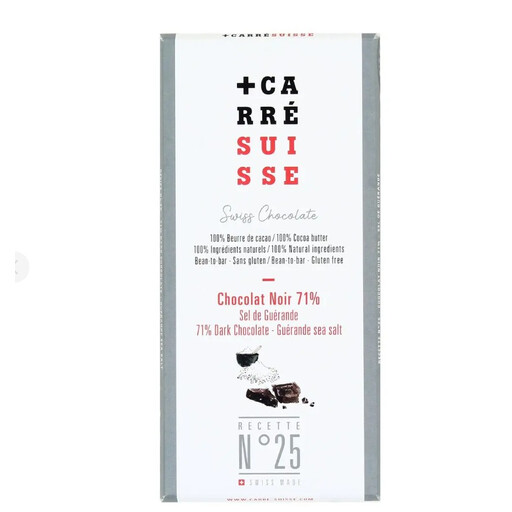 Image unavailable
This salted recipe could complement plain dark chocolate bars if you’d like to offer a wider range of flavours at your jumble sale.
Stated format: 100 g. The name doesn’t state the cocoa percentage, so check the details for the exact product if that affects your choice.
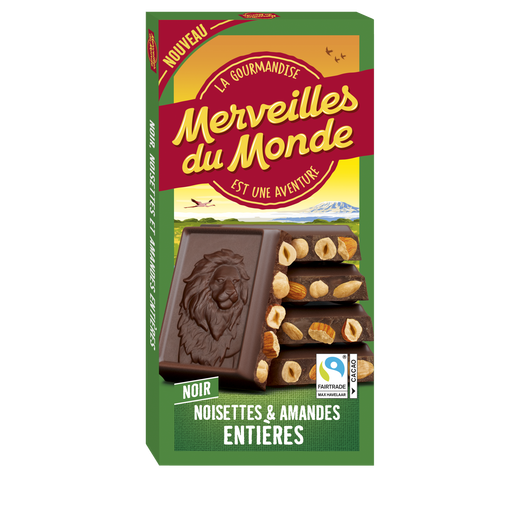 Image unavailable
Consider this if you’d like to offer a bar with nuts in a larger format than a mini bar, but don’t mistake it for plain dark chocolate.
Stated format: 170 g; the name lists whole hazelnuts and almonds. If cocoa percentage or allergens matter for your selection, check all the details on the packaging.
No. The levy set out in Article 1613 ter of the General Tax Code, published by Légifrance, applies to drinks and liquid preparations for drinks that meet the conditions set out in the legislation, not to solid chocolate bars. This distinction doesn’t replace checking the sugar content in the nutritional information.
No. Santé publique France explains that producers can choose whether to display a Nutri-Score. If it appears on a bar, it supplements the nutritional information but doesn’t replace checking the ingredients and allergens.
Check the product name, net weight, ingredients list, allergens, best-before date and nutritional information. The French Ministry of the Economy notes, in particular, that allergenic ingredients must be listed and emphasised on relevant food products.
No. Carrefour France product pages for Carrefour Bio Organic Dark 70% and Côte d’Or 70% bars warn that they may contain traces of milk. If someone has an allergy, read all the information on the packaging of the specific product you plan to offer.