
Livraison le jour même ou le lendemain

Qualité garantie

Débloquez vos offres de bienvenue: Livraison GRATUITE | Jusqu'à -80 % | 30 jours d'essai gratuits à JoyPlus
Téléchargez l'application
Starting your day with a glass of fresh, homemade juice? It's an appealing idea. Yet, choosing the right appliance often turns into a headache. Between marketing promises and the chore of daily use, too many juicers end up gathering dust in the back of a cupboard. To help you avoid this disappointment, we've broken down the common pitfalls and the criteria that truly matter.
Here are the 3 common pitfalls that turn the dream into a regret:
Beyond the marketing hype, a few technical details make all the difference in daily use. Let's focus on what's essential.
This is THE key criterion that separates two extraction philosophies.
The choice, therefore, depends on your priorities: speed for a centrifugal juicer, nutritional quality for a cold press juicer.
To ensure your machine doesn't end up in a cupboard, it must be a pleasure to use and maintain.
Because not everyone has the same needs, here are three appliances that cater to specific uses.
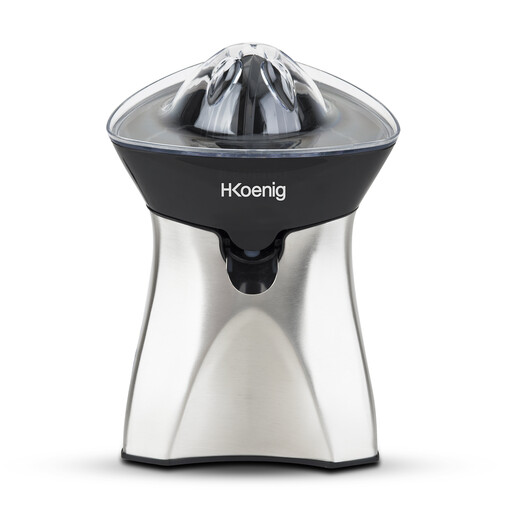
Why it stands out: If your morning ritual is all about a good glass of orange, lemon, or grapefruit juice, look no further. A dedicated electric citrus press is the simplest, most effective solution. This model gets straight to the point.
It doesn't promise the world; it does one thing, and it does it well. Its minimalist design with few parts ensures a quick cleanup. No chute, no guesswork: just cut the citrus fruit in half, and you're done.
Comes with two interchangeable cones to fit all sizes of citrus fruits. Its anti-drip spout prevents messes on the countertop.
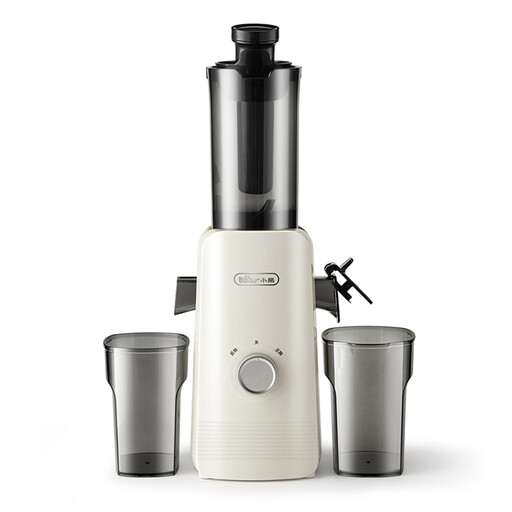
Why it stands out: Perfect for families who want to easily incorporate a variety of juices into their daily routine. Its cold press technology preserves maximum nutrients, a major plus for the diets of both kids and adults.
Its 80 mm feed chute delivers on its promise: it accommodates many whole fruits and vegetables, genuinely reducing prep time. The manufacturer emphasizes a simplified cleaning process with a simple rinse, tackling the maintenance nightmare head-on.
Slow pressing technology (slow juicer) for optimal juice quality. Its motor is advertised as quiet, perfect for discreet morning preparations.
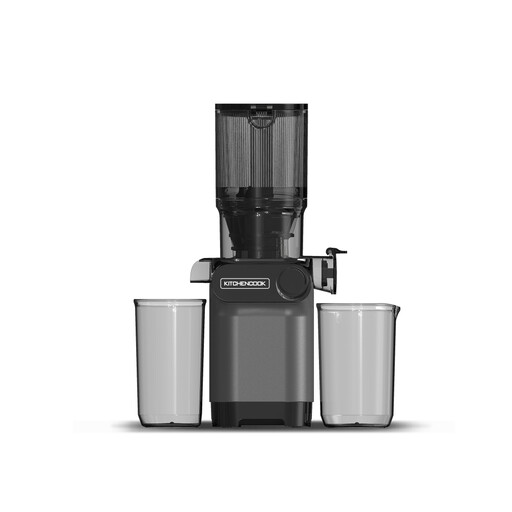
Why it stands out: For those who refuse to compromise and love to experiment with all kinds of juices, including complex ones (fibrous vegetables, herbs...). This appliance combines power and technology for maximum yield.
Its 108 mm XXL feed chute, one of the widest on the market, reduces cutting to an absolute minimum. Its "reverse" function is a real bonus for dislodging fibrous ingredients and preventing jams—a common weak point for many competitors.
A powerful 200W motor combined with a slow speed (45-70 RPM) for flawless cold extraction. The Tritan bowl is a guarantee of durability and food safety (BPA-free).
Discover our full selection of appliances that meet our quality criteria and European safety standards.
Q1: Cold press juicer or centrifugal juicer, which to choose? It all depends on your priorities. For a quick juice in the morning where nutritional quality isn't the number one criterion, a centrifugal juicer will do the job. If you're aiming for the highest juice quality, optimal nutrient retention, a smooth texture, and a quiet appliance, the cold press juicer is the clear winner.
Q2: Is cleaning a juicer really a chore? It really depends on the model. While older generations were a nightmare to clean, modern appliances are designed for easy cleaning. Opt for models with few parts, dishwasher-safe components, or new filter technologies that rinse clean in 30 seconds. The best advice is to clean it right after use, before any residue dries.
Q3: How long does fresh homemade juice last? The shelf life of your juice depends on the machine. Juice from a centrifugal juicer oxidises very quickly and should be consumed immediately. Juice from a cold press juicer is much more stable. You can store it for up to 24 hours (sometimes 48h) in the refrigerator in a tightly sealed glass bottle. Its nutritional value will decrease slightly, but it will still be excellent.