People keeping an eye on sugar
When choosing a fruity drink for your break, check the ‘of which sugars’ figure per 100 ml and consider how much you’ll drink, rather than relying solely on a ‘no added sugars’ claim.


For a break at work, first choose between not-from-concentrate juice, juice made from concentrate and fruit nectar, depending on the recipe you want. Then compare the sugars listed per 100 ml with the amount you plan to drink. ‘No added sugars’ does not mean ‘sugar-free’. A small carton makes it easier to choose an individual portion, while a larger pack means planning how to store it after opening. Manger Bouger recommends limiting fruit juice and choosing whole fruit where possible.
When choosing a fruity drink for your break, check the ‘of which sugars’ figure per 100 ml and consider how much you’ll drink, rather than relying solely on a ‘no added sugars’ claim.
A sealed individual carton can save you from having to take a part-finished bottle home after your break. If you choose a larger pack, check the storage instructions for after opening.
Taste and texture matter when you’re choosing, but it’s also worth understanding the difference between ‘not-from-concentrate juice’, ‘juice made from concentrate’ and ‘nectar’ before comparing ingredients.
To compare these drinks, choose the category that matches the recipe you’re looking for, then check the sugar content and find a format that suits your break.
Worth considering: if you’re looking for a product labelled ‘not-from-concentrate juice’.
Bear in mind: even if no sugars have been added, you should still check the sugar content on the pack.
Worth considering: if a multi-fruit recipe made with concentrated juices or purées suits your taste.
Bear in mind: ingredients and the ‘of which sugars’ figure vary by recipe; ‘no added sugars’ doesn’t mean ‘sugar-free’.
Worth considering: if you prefer a nectar recipe, which may be made with fruit purée.
Bear in mind: nectar may contain water, so check its fruit content and sugar levels rather than treating it as the same as not-from-concentrate juice.
| What matters | What to check | Who is it for? |
|---|---|---|
| Sugar content | The ‘of which sugars’ figure per 100 ml and the amount you’ll drink. | I want to know how much sugar my drink contains during my break, even if the pack says ‘no added sugars’. For around 40% of the consumers surveyed, sugar content would be the main priority. |
| Individual format | The pack size and the storage instructions for after opening if you don’t finish it. | Without access to a fridge, I’d rather finish a sealed carton than keep a part-finished bottle. This convenience would come first for around 30% of the consumers surveyed. |
| Recipe and texture | The product description, ingredients and, for nectar, the fruit content. | I want to choose based on taste and ingredients, without assuming that nectar and not-from-concentrate juice have the same recipe. The recipe would be the top consideration for around 30% of the consumers surveyed. |
Sugars naturally present in fruit still count. Among the products listed by Auchan, a 20 cl bottle of not-from-concentrate orange juice contains 17 g of sugars, while a 20 cl carton of multi-fruit nectar contains 18 g.
Compare the ‘of which sugars’ figure on the same 100 ml basis, then consider how much you plan to drink.
These descriptions refer to different recipes. The organic multi-fruit nectar featured by Auchan, for example, states a minimum fruit content of 81.5% and contains water.
Check the product description and ingredients. For nectar, also look at the stated fruit content.
A bottle that’s shared or drunk over several occasions should be stored according to the product instructions after opening.
If you don’t have access to a fridge, consider an individual carton that you can finish during your break.
Any leftovers that aren’t stored as instructed may go to waste.
Manger Bouger recommends limiting fruit juice of all kinds as much as possible to no more than one glass a day, and choosing whole fruit where possible.
Make water your usual drink and bear this recommendation in mind when choosing juice.
Carrefour lists a 90 cl bottle of chilled Tropicana not-from-concentrate orange juice with no pulp.
The range includes multi-fruit recipes made with concentrated juices and purées.
The Carrefour range includes juices and nectars in both individual and sharing sizes.
Two 20 cl products featured by Auchan show the difference between not-from-concentrate orange juice and organic multi-fruit nectar.
The Marque Repère range includes not-from-concentrate juices, juices made from concentrate and nectars in a variety of sizes.
This selection includes nectars and multi-fruit juices in larger packs. For an individual break, plan how much you’ll serve and check the storage instructions for after opening.
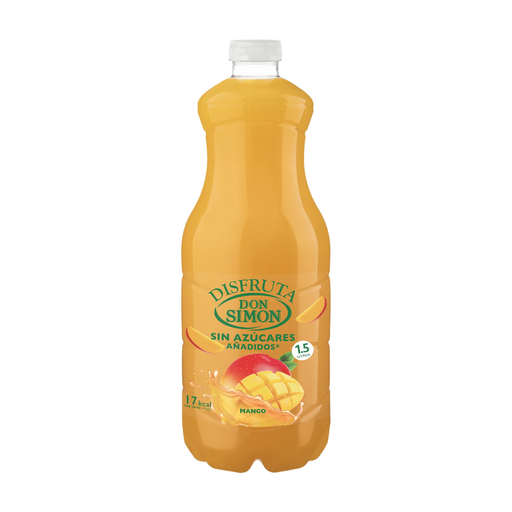 Image unavailable
This large pack is suitable for a break at work if you can plan how much to serve and store the rest according to the instructions on the packaging.
The ‘no added sugars’ claim doesn’t replace checking the ‘of which sugars’ figure.
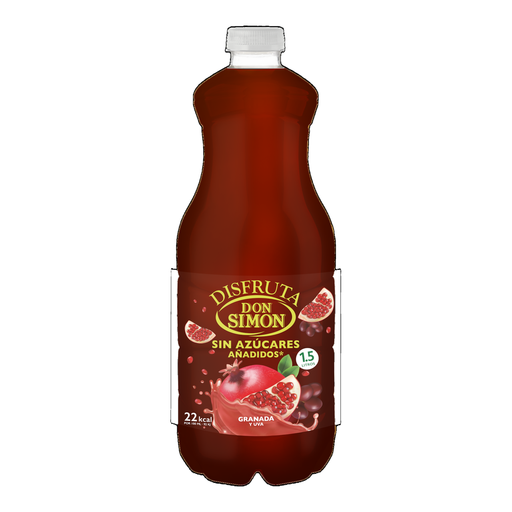 Image unavailable
If you’re looking for a nectar to serve over several breaks or share, check how much each person will drink and follow the storage instructions after opening.
To compare this recipe with a juice, check its product description, ingredients and sugars per 100 ml.
 Image unavailable
This size may suit sharing at work, as long as you plan how to store the bottle once opened.
Check the sugar content for this product on its own packaging: figures for another Joker juice may not apply.
 Image unavailable
If you’re serving this juice over several breaks, check how much you pour and follow the storage instructions after opening.
A 1 L pack isn’t a portion: compare the sugars per 100 ml with the amount you’ll actually drink.
No. Sugars naturally present in fruit may still be in the juice. To choose an amount that suits your break, check the ‘of which sugars’ figure per 100 ml and consider how much you’ll drink.
A sealed 20 cl carton can make it easier to choose an individual portion without having any left over to store. If you choose a larger bottle, plan how much to serve and follow the storage instructions after opening.
No, they have different product descriptions and recipes. For example, the organic multi-fruit nectar featured by Auchan states a minimum fruit content of 81.5% and contains water. Check the product description and ingredients of the specific product you’re comparing.
Manger Bouger recommends limiting fruit juice as much as possible, to no more than one glass a day, and choosing whole fruit where possible. This recommendation also applies to juice labelled ‘no added sugars’.
Follow the instructions for the bottle you’ve chosen and make sure you can follow them at work. For example, Auchan’s product information for its 20 cl not-from-concentrate orange juice says to refrigerate it after opening and consume it within five days. Don’t assume this timeframe applies to other products.