Fizz fans who care about ingredients
You want a change from regular juice without relying on the word ‘fruit’ alone. The product description, fruit content and any sugar listed in the ingredients all matter when you’re choosing.


For a quick breakfast, start by deciding what matters most: fizz or the product’s juice classification. A fizzy fruit drink is not necessarily juice. If you want both, check the product’s description, ingredients and fruit content. If the fizz is less important, still, non-sparkling juice is a more straightforward choice when you’re looking for juice, though it is no substitute for whole fruit.
You want a change from regular juice without relying on the word ‘fruit’ alone. The product description, fruit content and any sugar listed in the ingredients all matter when you’re choosing.
You’re looking for something quick to serve or take with you, while keeping in mind the difference between a bottle to share and an individual portion.
Fizz comes second to the product’s classification: you’d rather be able to identify it clearly as juice or pure juice, even if it isn’t sparkling.
Worth considering: if you want fizz and an apple-based recipe with clearly detailed ingredients. Auchan’s product listing for 75 cl Coeur de Pom’ states that it contains 99.6% apples and 0.4% CO₂.
Bear in mind: a 75 cl bottle isn’t an individual portion, so decide how much to serve.
Worth considering: if fizz, a flavoured taste or individual portions matter more to you than the juice classification. E.Leclerc, for example, lists Festalie red fruits in a pack of 4 × 27.5 cl.
Bear in mind: the Festalie listing mentions water, juices from concentrate, sugar and natural flavourings. This drink should not be mistaken for pure juice.
Worth considering: if you’re mainly looking for juice that’s easy to serve. Carrefour, for example, stocks 90 cl Tropicana fresh orange pure juice.
Bear in mind: this option won’t satisfy a craving for fizz.
| What to consider | What to check | Who is it for? |
|---|---|---|
| Category and ingredients | Read the product description, the first ingredients listed and the stated fruit content for the product you’re considering. | If I really want juice, I don’t want to confuse it with a fizzy drink containing water and sugar. Around 40% of consumers are said to make this distinction their priority. |
| Breakfast format | Compare the container size and number of items. A 75 cl bottle and a pack of small containers aren’t served in the same way. | When every minute counts, I want to know whether I can grab a container or need to pour a glass. Format is said to be the top priority for around 30% of consumers. |
| Fizz | Check that the drink is sparkling, then look separately at its classification and ingredients. | I want the fizz, even if that means choosing a fruit drink rather than pure juice. This is said to be the top priority for around 30% of consumers. |
France’s Directorate-General for Competition Policy, Consumer Affairs and Fraud Control distinguishes fruit juices from nectars, which may contain added sugars. E.Leclerc’s listing for Festalie red fruits, meanwhile, describes a carbonated drink containing water, juices from concentrate and sugar, among other ingredients.
Check the product description and read the ingredients rather than relying on the packaging design.
A 75 cl bottle of sparkling apple juice serves several glasses. Its size doesn’t determine how much you’ll drink at breakfast.
Decide how much to pour before opening the bottle. Manger Bouger recommends limiting fruit juice and sugary drinks to one glass a day and choosing whole fruit instead.
This label tells you nothing about the fruit content or whether the drink contains sugar: the Festalie drink described by E.Leclerc is alcohol-free and contains sugar.
Check the product description, ingredients and nutritional information separately.
Manger Bouger’s guidance distinguishes juice from whole fruit and recommends choosing whole fruit instead.
If a drink suits you because it’s quick to serve, keep this distinction in mind when putting breakfast together.
Carrefour stocks 90 cl bottles of Tropicana fresh orange, no bits, pure juice.
Joker describes its Le Fruit range as 100% fruit juice, with no added sugar.
Carrefour’s range includes juices and pure juices, such as Tropicana fresh orange, no bits.
Auchan lists fruit juices separately from fizzy fruit drinks, and stocks Coeur de Pom’ sparkling apple juice.
E.Leclerc stocks 75 cl bottles of Bio Village sparkling apple juice and Festalie fizzy fruit juice drink in packs of 4 × 27.5 cl.
These fizzy drinks in individual formats are ideal if you’re looking for bubbles and something quick to serve. When choosing between them, keep the stated flavour, format and ingredients in mind. Don’t assume any of them is pure juice based on its name alone.
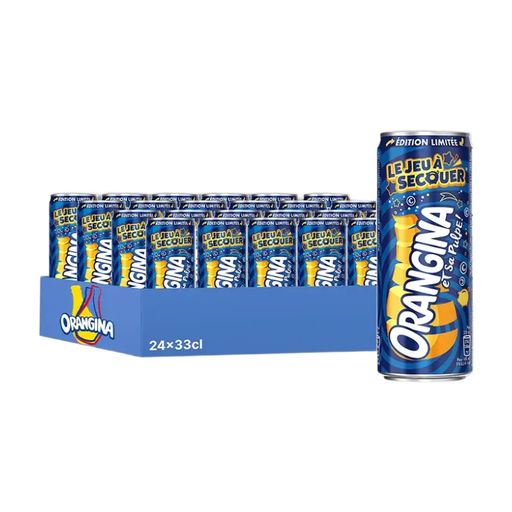 Image unavailable
Consider this if you want to serve a fizzy citrus drink quickly. The pack contains 24 × 330 ml cans. If you’re specifically looking for juice, check the ingredients and product description.
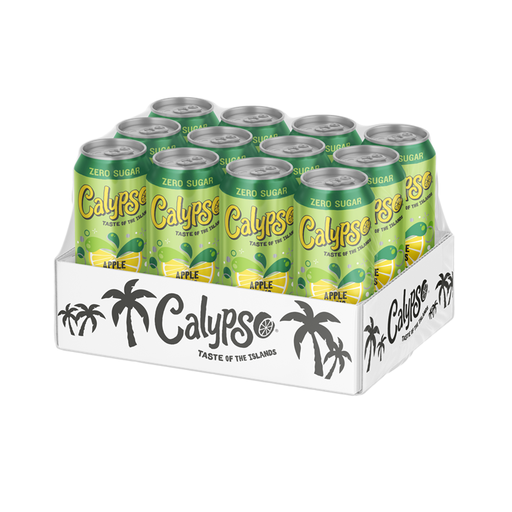 Image unavailable
This pack of 12 cans is a handy choice if you prefer drinks that are ready to serve. The Apple Oasis flavour doesn’t confirm that it contains apple juice, so check the ingredients and product description on the packaging.
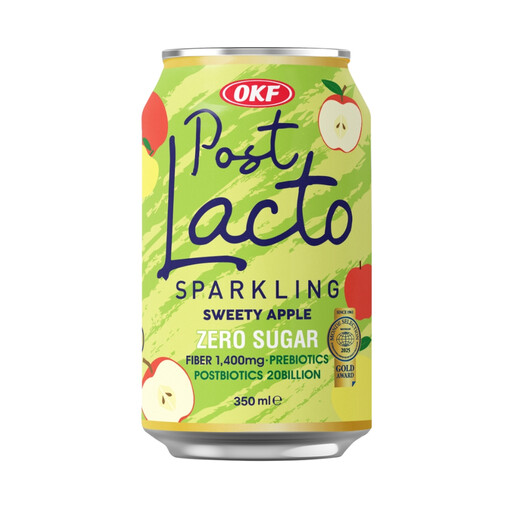 Image unavailable
This sparkling apple and cinnamon drink comes in a 350 ml container. If fruit content is important to you, check the proportion and product description on the packaging rather than relying on the flavour.
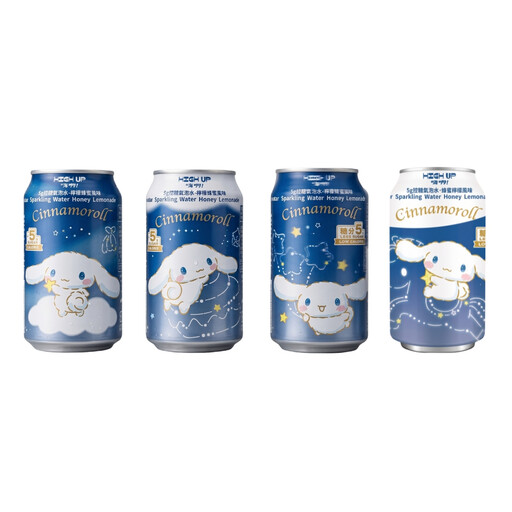 Image unavailable
The 330 ml container is a convenient individual size, and the drink is sparkling with a lemon and honey flavour. Read the ingredients, nutritional information and product description before interpreting the ‘Less Sugar’ claim.
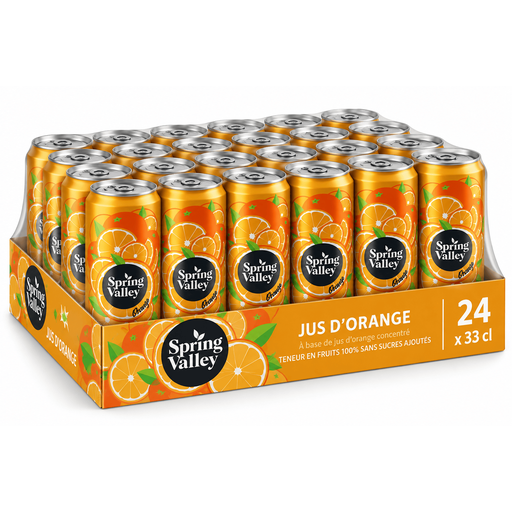 Image unavailable
The 24 × 330 ml cans make this sparkling orange drink easy to serve individually. If you want to know how much juice it contains rather than just its flavour, check the fruit content and product description on the packaging.
No. ‘Sparkling fruit drink’ doesn’t mean it is classified as juice. France’s Directorate-General for Competition Policy, Consumer Affairs and Fraud Control distinguishes fruit juices from nectars, which may contain added sugars. Check the product description and ingredients for the specific product you’re considering.
Manger Bouger recommends limiting fruit juice and sugary drinks to no more than one glass a day, and choosing whole fruit instead. So the size of a bottle or can doesn’t, by itself, determine how much to serve.
For children aged 4 to 17, Manger Bouger recommends limiting juice and sugary drinks to no more than half a glass a day for children under 11, and no more than one glass a day thereafter. The guidance also recommends choosing whole fruit instead.
Start with the product description on the packaging, then check it against the ingredients list. France’s Directorate-General for Competition Policy, Consumer Affairs and Fraud Control distinguishes fruit juices from nectars. Neither a fruity flavour nor fizz is enough on its own to tell you what kind of drink it is.