People comparing total sugars
If ‘diet’ means cutting down on the sugars in the drinks you buy, check the ‘of which sugars’ figure per 100 ml rather than relying on the ‘no added sugars’ claim alone.


When choosing a juice or nectar labelled ‘diet’ over the October half-term, first compare the ‘of which sugars’ figure per 100 ml: ‘no added sugars’ doesn’t mean the drink contains no sugars. If a mainly fruit-based recipe matters more to you, look at juices; if you’re comparing nectars by their stated sugar content, check the ingredients list too. In either case, plan your portions rather than using juice to keep you hydrated.
If ‘diet’ means cutting down on the sugars in the drinks you buy, check the ‘of which sugars’ figure per 100 ml rather than relying on the ‘no added sugars’ claim alone.
Whether it’s for breakfast, snacks or days out, choose a pack size that suits the number of portions you have in mind. Manger Bouger recommends limiting juice and choosing water and whole fruit instead.
If you’re choosing between juice and nectar, check the product description, its fruit content if stated, and its ingredients list. These details matter just as much as the claims on the front of the pack.
When choosing drinks for the holidays, decide what matters most to you: total sugars, portion planning or ingredients. Then compare the labels on juices and nectars according to that priority.
| Criteria | What to check | Who is it for? |
|---|---|---|
| Total sugars | Compare ‘of which sugars’ and the energy per 100 ml; don’t stop at ‘no added sugars’. | I want to choose my drink based on its actual sugar content, even if no sugar has been added. Around 42% of consumers would make this their priority. |
| Family portions | Choose a pack size to suit the portions you have in mind and check the storage instructions after opening. | When breakfasts and snacks come round one after another during the holidays, I prefer to decide in advance how much to serve. Portion planning would be the priority for around 33% of consumers. |
| Product type and ingredients | Check whether it is described as ‘juice’ or ‘nectar’, then read the ingredients list and any stated fruit content. | I want to know whether the drink contains only fruit-based ingredients or whether its recipe includes other ingredients too. This would be the main consideration for around 25% of consumers. |
Sugars naturally present in fruit still count towards the total. For example, the Auchan listing for Joker Le Fruit apple juice with no added sugars states that it contains 9.8 g of sugars per 100 ml.
Compare the ‘of which sugars’ figure per 100 ml for the products you’re considering, rather than making your decision based on the front of the pack alone.
A nectar recipe may include water and other ingredients. For example, Carrefour says its Classic’ mixed fruit nectar contains at least 75% fruit, while its Bio mixed fruit juice lists fruit ingredients.
If ingredients are your main consideration, check the exact product description and ingredients list.
A large bottle can be handy during the holidays, but that doesn’t make juice a drink to serve without limits. Manger Bouger recommends limiting juice and choosing water instead to stay hydrated.
Plan your portions before choosing a pack size, and keep water available.
A Joybuy listing for Tropicana orange juice is marked ‘Short date’. If you’re buying drinks before a trip, check the date and storage instructions for the product you choose.
Check the packaging when you buy, especially if you plan to keep the bottle until the end of your holiday.
The Le Fruit and Pur Jus Engagé ranges give you a basis for comparing apple and mixed fruit juices with no added sugars.
Pressed juices and fruit blends give you a choice of different recipes from the brand to compare.
Carrefour Extra, Classic’ and Bio listings illustrate different categories: orange juice, mixed fruit nectar and pure mixed fruit juice.
The DISFRUTA mixed fruit nectar with no added sugars is worth looking at if you’re comparing the stated sugar content of nectars and juices.
These products let you compare nectars and juices with no added sugars for the October half-term. Their names alone won’t tell you which has less sugar: check the nutritional information on each bottle.
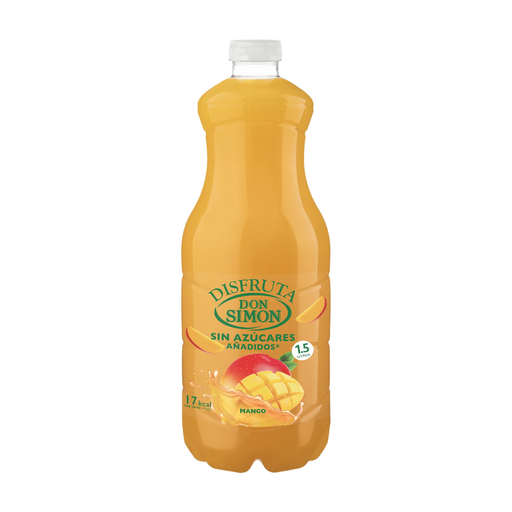 Image unavailable
If you’re considering a mango nectar, compare its sugars per 100 ml and its ingredients list with those of the juices you’re interested in.
1.5 L PET bottle.
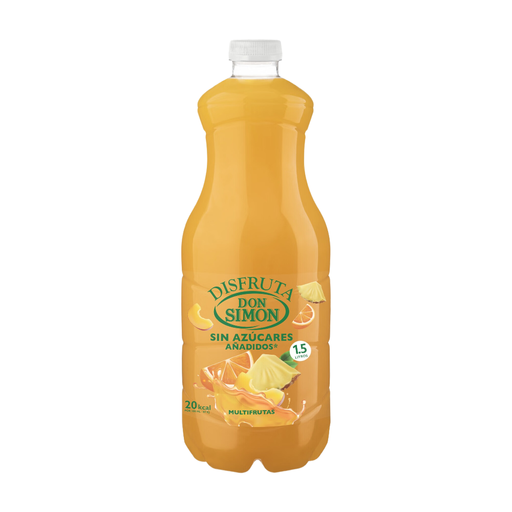 Image unavailable
If you’re comparing mixed fruit nectar with juice, its Joybuy listing states that it contains 4.2 g of sugars and 20 kcal per 100 ml. Check the ingredients too: they include water and the sweetener E-955, among other things.
1.5 L PET bottle.
 Image unavailable
If you’d rather buy juice than nectar, still check the ‘of which sugars’ figure: no added sugars doesn’t tell you the total sugar content.
1.5 L pack.
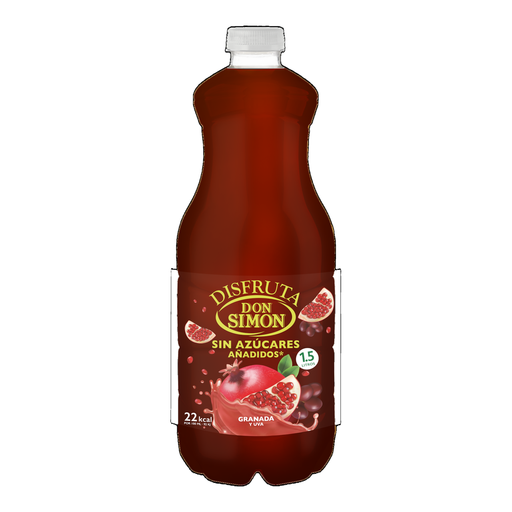 Image unavailable
If you’re interested in pomegranate flavour, compare this nectar with other recipes by looking at the figures per 100 ml and the ingredients, not just the flavour on the label.
1.5 L PET bottle.
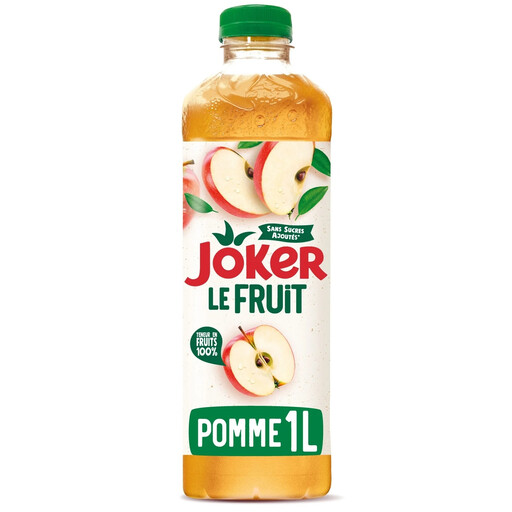 Image unavailable
If you choose apple juice rather than nectar, compare its sugars per 100 ml: ‘unsweetened’ doesn’t mean ‘sugar-free’.
1 L pack; check the storage instructions on the packaging before planning to use it during your trip.
No. Juice with no added sugars can still contain sugars naturally present in fruit. To compare two drinks, check the ‘of which sugars’ figure per 100 ml in their nutritional information.
Start with the product description on the packaging: pure juice and nectar are different categories. The DGCCRF distinguishes between these descriptions; to find out exactly what’s in a product, then check the ingredients list and any stated fruit content.
No. Manger Bouger recommends limiting juice and other sugary drinks, and choosing water instead; whole fruit can also take the place of a serving of juice. Choose a bottle size to match the portions you actually plan to serve.
Check the date and storage instructions before you set off, then follow the packaging guidance once the bottle is open. This helps you choose a pack size that suits the length and conditions of your stay.