Parents keeping an eye on added sugars
You want to offer juice without confusing ‘no added sugars’ with ‘sugar-free’. The product name, ingredients and ‘sugars’ line in the nutrition information are more useful than the term ‘diet’.


For a birthday party, choose juice based on its product name, ingredients and the amount you plan to serve, rather than the word ‘diet’: ‘no added sugars’ does not mean ‘sugar-free’. Make water available and serve juice in limited portions. A bottle lets you measure out each glass, while with a carton you’ll need to check its volume before handing one out whole.
You want to offer juice without confusing ‘no added sugars’ with ‘sugar-free’. The product name, ingredients and ‘sugars’ line in the nutrition information are more useful than the term ‘diet’.
You want everyone to have water and to keep juice portions small. Manger Bouger recommends offering no more than half a glass a day to children under 11 when sugary drinks, including juice, are served.
You want to hand out drinks without having to handle lots of things. Cartons make serving easier, but their capacity should match the amount you intend to give each child.
For this party snack, first distinguish juice from nectar, then compare the sugars per 100 ml and decide how much to serve. The DGCCRF says that using a 100 ml basis makes it easier to compare nutrition information, while Manger Bouger recommends limiting the fruit juice offered to children.
| What matters | What to check | Who is this for? |
|---|---|---|
| Added sugars | Read the product name and ingredients, and check the ‘sugars’ line per 100 ml. No added sugars does not mean the drink contains no sugars at all. | I want to avoid added sugar without taking the wording on the pack to mean there are no sugars at all. Around 50% of consumers put this distinction first. |
| Portion served | Check the capacity of the glass or carton and take the children’s ages into account. Manger Bouger recommends a maximum of half a glass a day for under-11s if juice is offered. | With young guests, I’d rather decide how much to pour than automatically hand out a whole carton; almost 30% of consumers prioritise portion size. |
| Serving a group | Compare container sizes and the fruits listed in the recipe; have cups ready if you choose a bottle to share. | When several children are waiting for a drink, I want serving to be simple and the flavour to suit the group. This comes first for around 20% of consumers. |
Juice can contain sugars naturally present in fruit. The DGCCRF distinguishes this from having no sugars.
Before choosing, read the product name and ingredients, and check the amount of sugars per 100 ml.
An individual carton makes handing out drinks easier, but it doesn’t determine how much you should serve. Manger Bouger recommends no more than half a glass of sugary drinks per day for children under 11.
Check the capacity and, for younger children, consider pouring a small portion into a cup. Keep water available.
As well as choosing bottles or cartons for their format, make sure you can store them as directed on the packaging throughout the party.
Check the storage instructions for the product you buy and plan your serving arrangements accordingly.
These products show a range of juice formats; check the ingredients and capacity of the product you choose.
Carrefour France describes a mixed-fruit juice from the Joker LE FRUIT range as made from fruit, with no added sugars.
Carrefour France lists Carrefour Classic' pineapple juice with no added sugars in a pack of six 20 cl cartons.
A Tropicana orange juice without bits could work if you’d rather pour small portions yourself.
Carrefour France lists an Innocent fruit juice for children in small cartons, with no added sugars.
These larger bottles of juice and nectar let you prepare portions when it’s time for the party snack. Compare their product names and nutrition information: nectar is not fruit juice, and ‘no added sugars’ does not mean ‘sugar-free’.
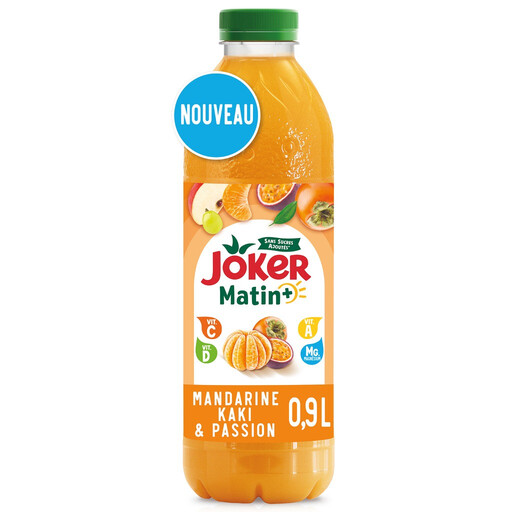 Image unavailable
To serve several children and choose how much each one gets, pour this juice into cups. Check the product name and the ‘sugars’ line per 100 ml on the packaging.
 Image unavailable
This sharing-size bottle lets you prepare portions instead of handing one carton to each child. ‘No added sugars’ does not exclude sugars naturally present in the fruit, so check the nutrition information per 100 ml.
 Image unavailable
For a group, the large bottle lets an adult measure out each glass. Compare the sugars per 100 ml with other products and keep water available.
 Image unavailable
This nectar can be shared and served in portions chosen by an adult, but it should not be confused with fruit juice. The ingredients list the sweetener E-955: check the label if you want to take this into account when choosing.
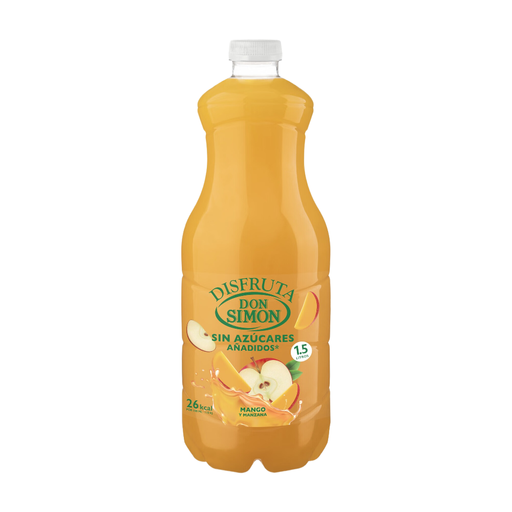 Image unavailable
If the group likes mango and apple, this nectar lets you prepare each glass individually. Its ingredients list the sweetener E-955; also check the ‘sugars’ line per 100 ml before choosing it.
No: sugars naturally present in fruit are still there. The DGCCRF says the wording ‘contains naturally occurring sugars’ is reserved for fruit juice; also check the ‘sugars’ line in the nutrition information.
Manger Bouger recommends limiting sugary drinks, including juice, to a maximum of half a glass a day for children under 11 and one glass a day for those over 11. Keep water available and take into account any drinks they’ve already had that day.
A carton makes drinks easier to hand out, while a bottle lets you choose how much to pour for each child. Before handing out a whole carton, compare its capacity with the portion you want to serve.
Compare the ‘sugars’ line per 100 ml, rather than the figures per pack or per portion. The DGCCRF says that presenting nutrition information per 100 ml makes comparisons easier; also check whether each product is juice or nectar.