
Livraison le jour même ou le lendemain

Qualité garantie

Débloquez vos offres de bienvenue: Livraison GRATUITE | Jusqu'à -80 % | 30 jours d'essai gratuits à JoyPlus
Téléchargez l'application
A pair of Joma indoor futsal shoes must withstand repeated changes of direction, frequent ball contact, sudden stops, and gym floors that can sometimes be very slippery. Yet, some product sheets focus primarily on looks or brand recognition, without specifying the elements that truly make a difference in comfort and durability.
Before buying Joma indoor football shoes, three pitfalls must be avoided.
For indoor football, prioritise a non-marking rubber outsole. It must maintain good contact with the floor without leaving black marks on parquet or synthetic surfaces.
The tread pattern also matters. Flexible grooves facilitate forefoot movements, while a sufficiently flat profile improves stability during pivots. Even with excellent grip, a futsal shoe is not designed for abrasive outdoor surfaces: the rubber would wear out much faster.
Models bearing the IN, Indoor label, or clearly indicating futsal use, are generally suited to this environment. Conversely, TF versions, like the Joma Top Flex Turf, are intended for artificial grass, not gymnasiums.
Leather futsal shoes often offer a soft touch and a close feel for the ball. The Joma Top Flex, for example, is available in versions with a leather upper or a combination of leather and synthetic materials. This type of construction can appeal to players who prioritise control and upper durability.
Synthetic and textile uppers are generally easier to clean and can reduce overall weight. They are well-suited for frequent training, especially when several sessions are scheduled each week. However, be sure to check for reinforcements at the toe and heel, the two areas most exposed to friction.
Measure your foot at the end of the day, wearing the socks you play in. Then compare the measurement with the specific model's size chart, rather than relying on a simple UK or US conversion.
For a men's indoor football shoe, the heel should stay firmly in place without being compressed. The toes should be able to move slightly, but without touching the front of the shoe during a stop. A well-adjusted lacing system allows you to fine-tune the fit, especially if you perform many changes of direction.
The references below are categorised according to their design, intended surface, and the information available on their product sheet. Colours and sizes may vary depending on stock.
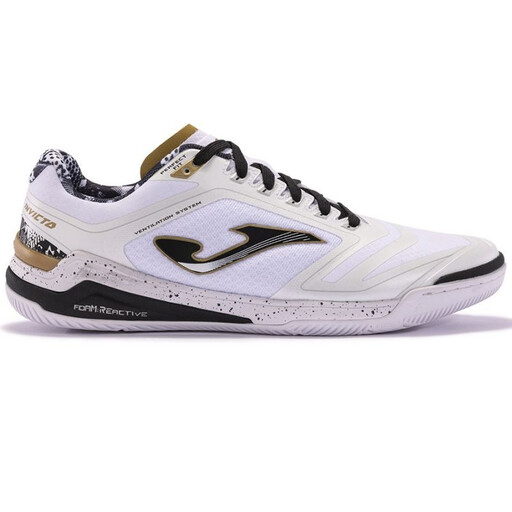
Why this choice suits this profile: its synthetic and textile upper is ideal for players who want an easy-to-maintain pair for their regular indoor sessions.
The sheet mentions a rubber sole designed for indoor surfaces and a lace-up closure, rather than a turf sole presented as versatile.
Easy-to-clean synthetic upper and model available in EU size 45 according to the provided sheet.
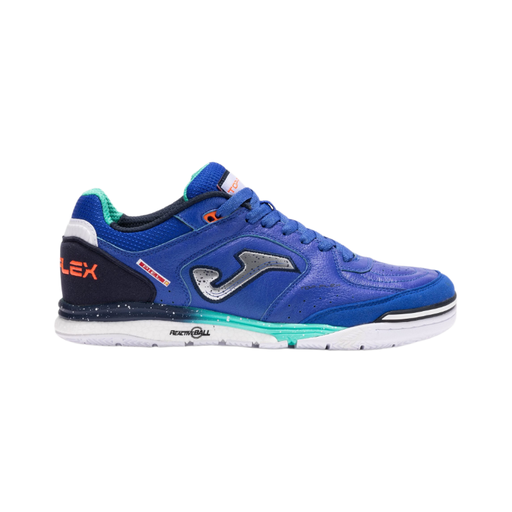
Why this choice suits this profile: this Top Flex Rebound version combines a natural leather upper, VTS ventilation, and a sole designed for indoor movement.
The description clearly distinguishes indoor use and recommends hand washing, reducing the risk of care errors.
Natural leather, FLEXO lines, and reinforced DURABILITY rubber outsole at the forefoot.
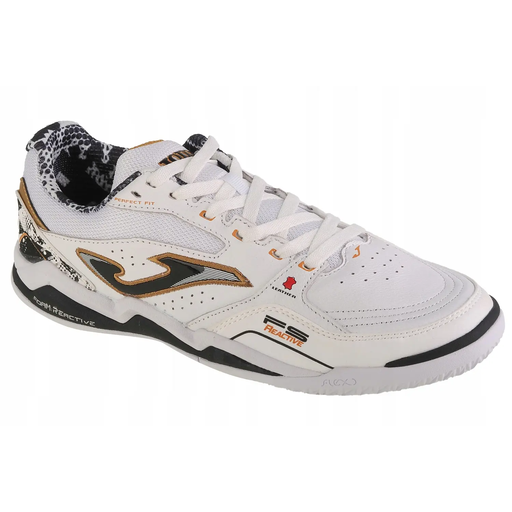
Why this choice suits this profile: its toe and heel reinforcements, combined with a non-marking rubber sole, are designed to withstand repeated movements and frequent contact.
The reinforcements are described separately, rather than presenting durability as a general promise without concrete supporting details.
Natural leather upper, front and rear reinforcements, adjustable laces, and non-marking sole technology.
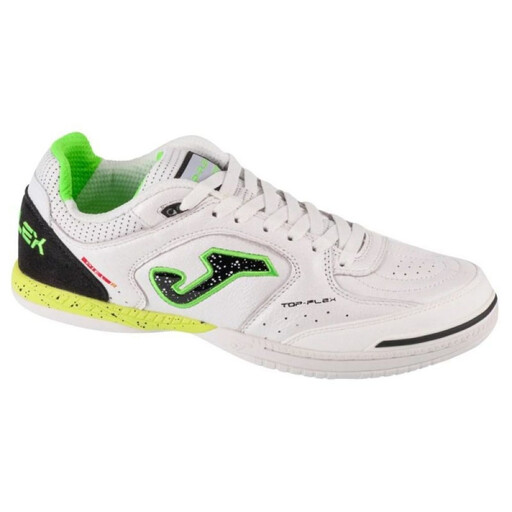
Why this choice suits this profile: its flexible synthetic upper, reinforced toe, and padded insole are ideal for players seeking a lightweight, mobile indoor football shoe.
The sheet specifies both the flexibility, cushioning, and indoor court use, without presenting the shoe as suitable for all surfaces.
Flexible synthetic upper, EVA sole, non-marking rubber outsole, and toe reinforcement.
Browse our complete and regularly updated selection of futsal shoes. You can compare indoor models by size and surface type.
Even a lightweight, flexible futsal shoe can wear out quickly if used on an unsuitable surface. After each session, remove dust and particles with a soft brush or slightly damp cloth. If necessary, use a mild soap, then let the pair air dry away from radiators and direct sunlight.
Avoid the washing machine, tumble dryer, standing water, and bleaching agents. Regularly inspect the sole, seams, and toe reinforcement. A sole that has become smooth or is starting to detach can alter grip. The possibility of replacing it then depends on the overall condition of the pair and your playing frequency.
This is not recommended. Non-marking soles designed for gymnasiums are not made to withstand the abrasion of asphalt and outdoor surfaces. For playing on artificial grass, choose a TF version, like the Joma Top Flex Turf, rather than an IN model.
Measure both feet, note the longest measurement, then consult the size chart for the specific reference. Try the shoes on with your futsal socks: the heel should stay in place, and the toes should not touch the front when you flex your foot.
There is no one-size-fits-all duration. Match frequency, surface type, player weight, and care all directly influence wear. Replace the pair when the sole loses its tread pattern significantly, the reinforcements begin to detach, or the fit is no longer stable, even if the upper still appears to be in good condition.