
Same-day & Next-day Delivery

Quality Guaranteed

Unlock Your Welcome Offers: FREE Delivery | Up to 80% OFF | Free 30-day JoyPlus trial
Download the APP
Tangled necklaces, single earrings, precious watches getting scratched on a nightstand... If this scene sounds familiar, a good jewelry display is no longer a luxury, but a necessity. Whether you're looking to organize your personal collection or showcase your creations as a professional, choosing the right stand is essential.
The problem? The market is flooded with models that, despite their attractive appearance, hide critical flaws. As the Head of Product Recommendations at Joybuy, I'm here to help you navigate the options, avoid the pitfalls, and make a truly informed choice.
Before you fall for a pretty design, it's crucial to know the flaws that can render a display useless, or even dangerous for your precious jewelry.
To avoid these pitfalls, focus on a few technical and objective criteria. These are the true guarantors of quality and longevity for your future display.
The first thing to inspect is the base. It must be heavy and stable. This is non-negotiable, especially for a necklace and bracelet stand that needs to manage weight distributed vertically.
The lining that comes into direct contact with your jewelry is as crucial as the structure itself.
First, think about the types of jewelry you plan to store on it.
Here are a few models that check all the boxes, designed for different needs and collections.
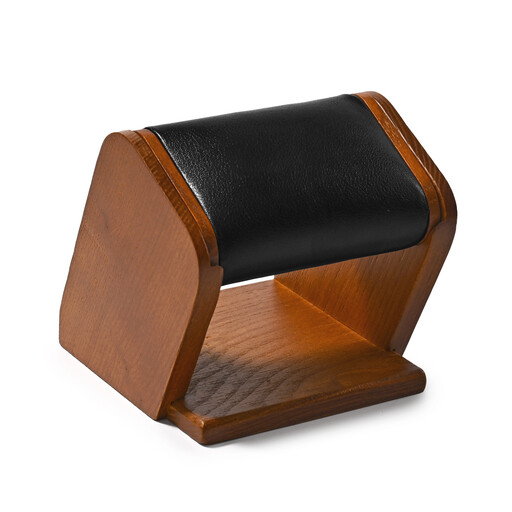
Why we love it: Perfect for setting your watch down each night on a dedicated stand. It protects it from scratches while turning it into a true decorative object on a nightstand or desk. An accessory that's as practical as it is elegant.
Its wide, solid wood base guarantees perfect stability with no risk of tipping. The smooth wood finish protects both the case and the strap from micro-scratches, unlike raw-finish stands.
A sturdy construction of fine wood and a minimalist design that enhances the watch without ever stealing the show.
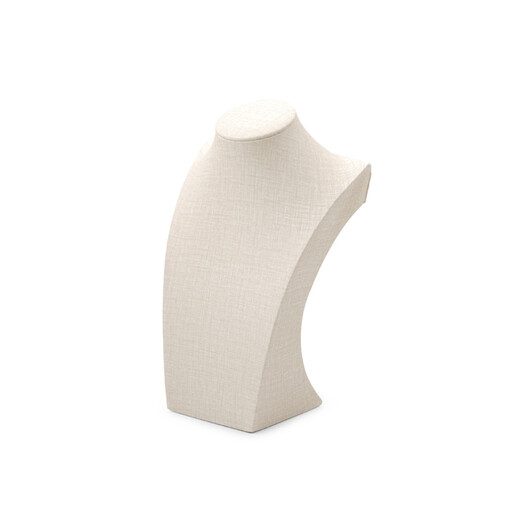
Why we love it: A timeless classic for professional presentation. Its bust shape simulates how the jewelry is worn, allowing customers to see the exact drop of a necklace. It's essential for a display case, a market stall, or for product photography.
Its weighted base ensures rock-solid stability, even with heavy necklaces. The high-quality linen covering provides a neutral, non-abrasive surface that protects the jewelry while making it stand out.
A design engineered for a realistic presentation of necklaces. The bonus? It comes with a storage box, ideal for transport to trade shows and markets.
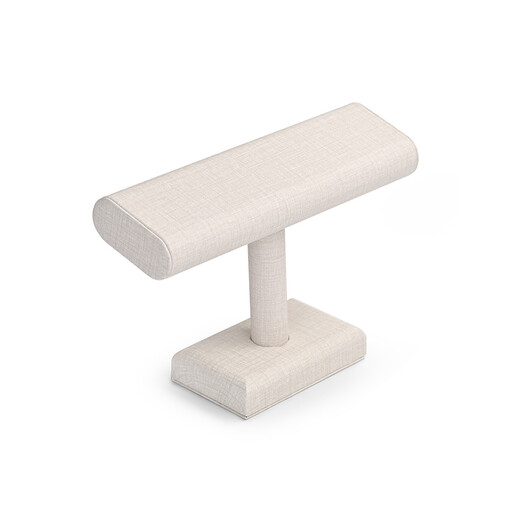
Why we love it: The ultimate versatile and original jewelry storage solution for personal use. Ideal for keeping everyday pieces—watches, bracelets, and even a few short necklaces—within reach on a dresser.
Its solid, weighted base eliminates any risk of instability. The T-bar is wrapped in a soft, textured PU leather, which prevents scratches on watches and bracelets—a crucial detail on multi-function stands.
Compact and versatile, it can hold 4 to 5 pieces (watches, bracelets, thin chains) to keep them organized and always accessible.
Discover our complete selection of products that meet all our criteria for quality and safety.
1. How do I clean a microfiber or linen jewelry display? For routine maintenance, a soft-bristled brush or a dry cloth is enough to remove dust. For a small stain, use a barely damp cloth with a drop of mild soap. Gently dab the area without rubbing, then let it air dry. Most importantly, never submerge it in water.
2. What is the ideal height for a necklace stand? For shorter "princess" style necklaces (around 45 cm), you'll need a height of at least 25 cm. For lariats and other long necklaces, opt for displays that are 35 cm or taller, or models that allow you to wrap the chain.
3. Can a wooden display damage my silver jewelry? The risk only exists if the wood is raw, untreated, or poorly finished. A quality wooden watch stand will always have a perfectly smooth, polished surface coated with a protective varnish. This type of finish is completely safe for silver, gold, or stainless steel. The real danger comes from raw or resinous woods, which can contain acidic substances or simply scratch the metal through abrasion.