
Same-day & Next-day Delivery

Quality Guaranteed

Unlock Your Welcome Offers: FREE Delivery | Up to 80% OFF | Free 30-day JoyPlus trial
Download the APP
Tangled necklaces, lone earrings, scratched bracelets… Your jewelry deserves better than chaos. A good jewelry stand isn't just a storage accessory; it's your guarantee for protecting your precious pieces while displaying them beautifully. The problem? The market is flooded with aesthetically pleasing but often impractical models. To prevent a promising purchase from turning into a disappointment, you need to know how to avoid the most common pitfalls.
As the Head of Product Recommendations at Joybuy, I'm here to separate fact from fiction for you. Here are the key points to check to make the right choice with complete confidence.
An alluring design can easily hide critical flaws. Here are the three mistakes you shouldn't make.
To avoid these pitfalls, focus on technical and objective criteria. This is where the true quality of a display stand is measured.
The surface in direct contact with your jewelry is the most critical point. Opt for materials that guarantee flawless protection:
The stability of your display stand is non-negotiable. Always examine the design of its base.
Your jewelry collection is unique. Your storage solution must therefore be flexible and adapt to its diversity.
To illustrate these tips in a practical way, here are a few products that meet specific needs while avoiding the pitfalls we've mentioned.
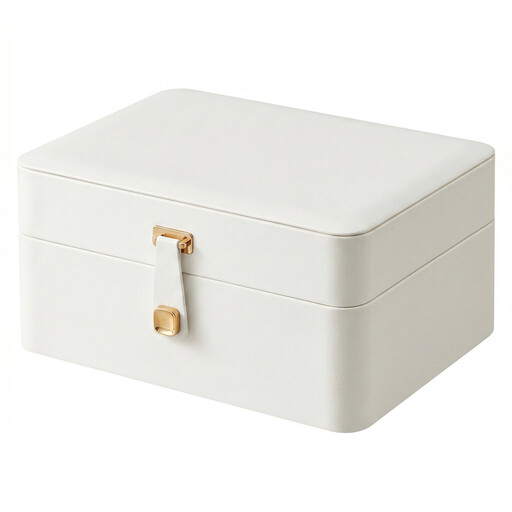
Why we chose it: Ideal for those seeking an all-in-one solution to protect a varied collection (rings, necklaces, earrings) from dust and scratches, while keeping them handy on a dresser.
Its closed structure and velvet-lined interior prevent scratches (pitfall #2), while the compartments and removable tray offer custom organization (pitfall #3).
Complete protection against dust and tarnishing. Versatile organization thanks to its two levels and removable dividers.
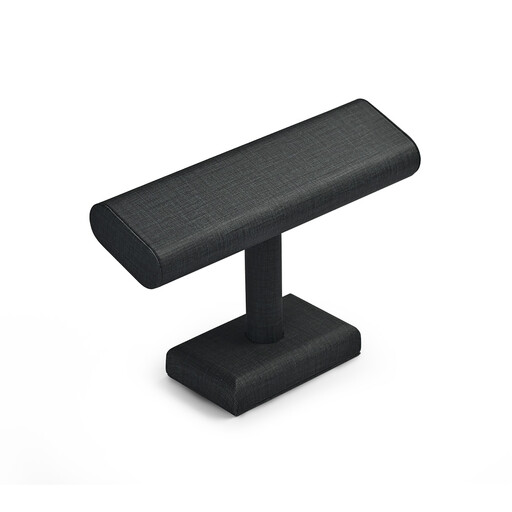
Why we chose it: Perfect for enthusiasts who want to display their favorite watches and bracelets while keeping them organized and accessible on a nightstand or desk.
Its solid weighted base ensures excellent stability, directly countering pitfall #1. The soft PU leather-covered bar protects watches and bracelets from scratches (pitfall #2).
Compact and highly stable design. Allows you to display 4-5 pieces at a glance while keeping them protected.
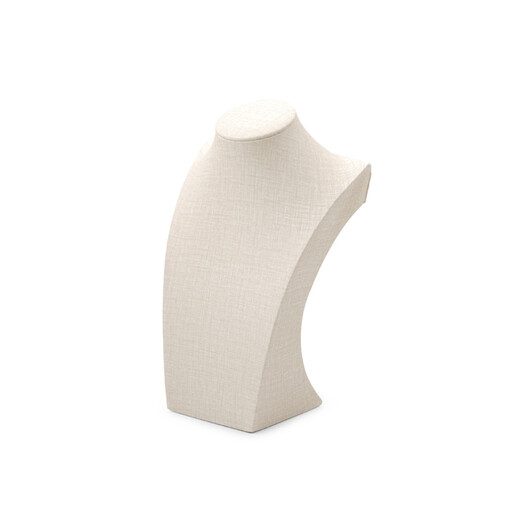
Why we chose it: Designed for showcasing necklaces in a display case, at a market stall, or for product photography. Its clean design highlights the jewelry without stealing the spotlight.
The height and shoulder width are optimized for an elegant drape of necklaces (pitfall #3). The weighted base ensures the stability needed for professional use (pitfall #1), and the natural linen covering protects the pieces (pitfall #2).
Professional and very elegant finish. The linen covering creates a neutral contrast that brings out the brilliance of the jewelry.
We have compiled a comprehensive list of products that meet our strict selection criteria.
1. How do I clean a velvet or wooden jewelry stand? For velvet or microfiber surfaces, use a soft garment brush or a lint roller to remove dust. Avoid water. For solid wood or PU leather, a soft, dry cloth is sufficient. Never use harsh chemicals, as they can damage the finishes and the lining.
2. What's the difference between a jewelry stand and a jewelry box? A jewelry stand (like a jewelry tree or a bust) prioritizes display and quick access. It's ideal for the pieces you wear often. A jewelry box is a closed storage solution that protects from dust and light. It is better suited for long-term storage and for more fragile or valuable pieces.
3. Can a display stand protect my jewelry from tarnishing? Partially. An open display stand cannot prevent oxidation caused by contact with the air. However, by preventing jewelry from knocking against each other and keeping them dry, it limits the scratches that can accelerate tarnishing. For maximum protection against oxidation, a closed jewelry box or anti-tarnish pouches remain the ideal solution.