
Livraison le jour même ou le lendemain

Qualité garantie

Débloquez vos offres de bienvenue: Livraison GRATUITE | Jusqu'à -80 % | 30 jours d'essai gratuits à JoyPlus
Téléchargez l'application
From wired earphones and Bluetooth models to gaming headsets, JBL offers a range to suit very different needs. The challenge is that a product specification can quickly leave you unsure what to choose: battery life measured under specific conditions, USB-C compatibility that isn’t always guaranteed, or noise cancellation mistaken for simple passive isolation.
This guide from the Joybuy Product Recommendation Officer helps you compare JBL earphones and headphones using the features that really matter day to day: connection type, comfort, microphone quality, battery life, durability and intended use.
A USB-C connector alone doesn’t guarantee audio transmission. To use JBL USB-C earphones, your smartphone, tablet or computer must support digital audio output, usually via the USB Audio Class standard. Also check that the USB-C port isn’t for charging only.
JBL wired USB-C earphones have the advantage of not needing a battery. However, they won’t connect directly to a device with only a 3.5 mm jack socket, so you’ll need a compatible adapter.
Battery life depends on listening volume, the Bluetooth codec used, how often you make calls and which features are switched on. So, treat a stated “up to” duration as a maximum, not a promise that applies in every situation. It’s also worth checking the charging time and whether the headphones have a fast-charging feature.
Wireless JBL headphones are handy on your commute or at the office, but you’ll need to remember to charge them regularly. Wired models, on the other hand, keep working as long as the connected device does.
Active noise cancellation (ANC) uses microphones and electronic processing to reduce certain sounds around you. It won’t remove every sound, and it may slightly alter the way your music sounds. Passive isolation, meanwhile, depends mainly on the shape of the ear cups or ear tips.
For commuting on public transport, JBL noise-cancelling headphones can make a real difference. However, avoid turning isolation up to the maximum when you need to stay alert to traffic or safety announcements.
A Bluetooth headset isn’t automatically compatible with a console wirelessly. For PlayStation, check that it comes with a USB receiver or supports a suitable wired connection.
Weight isn’t everything. For use over several hours, the pressure from the headband, the shape of the ear cups, how securely the ear tips fit and ventilation often matter more.
For JBL sports earphones, look for a secure-fit design that stays in place as you move, along with a clearly stated resistance rating. The Endurance Run 3 C have IPX5 protection, which is enough to guard against sweat and splashes, but not immersion.
The JBL Pure Bass label indicates a sound profile that emphasises bass. However, it isn’t enough to judge the overall sound quality. Also look at the type of driver, frequency response and available settings.
For calls, JBL headphones with a microphone or earphones with built-in microphones can work perfectly well. For gaming, a detachable boom microphone usually makes voice chat easier. The result will still depend on your surroundings, the software you’re using and the microphone’s position.
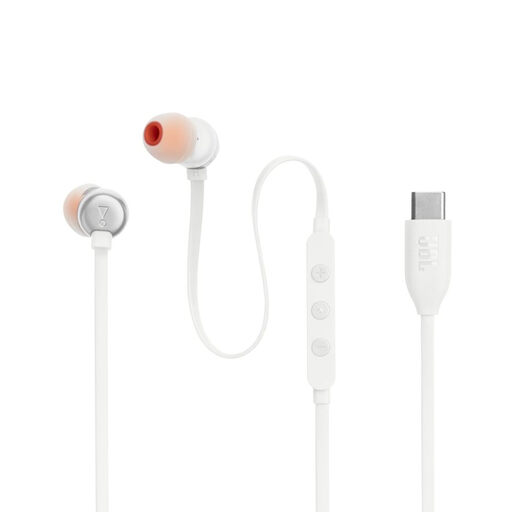
Why it suits this user: These USB-C earphones are well suited to everyday listening on a compatible smartphone, tablet or computer, with no battery to worry about.
The product information specifies that the source device must support USB digital audio output, helping to reduce the risk of compatibility issues before you buy.
USB-C connector, built-in microphone, three-button remote and Bass, Standard and Treble EQ profiles.
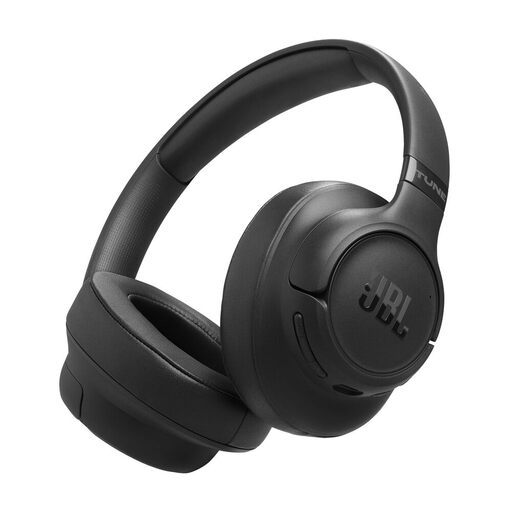
Why it suits this user: The foldable, over-ear design and adaptive noise cancellation make these headphones a good choice for public transport, open-plan offices or long listening sessions.
The ANC is clearly described as adaptive. Think of it as a way to reduce noise, not a feature that can block it out completely.
40 mm dynamic driver, up to 45 hours of battery life with ANC on, USB-C charging and a weight of around 230 g.
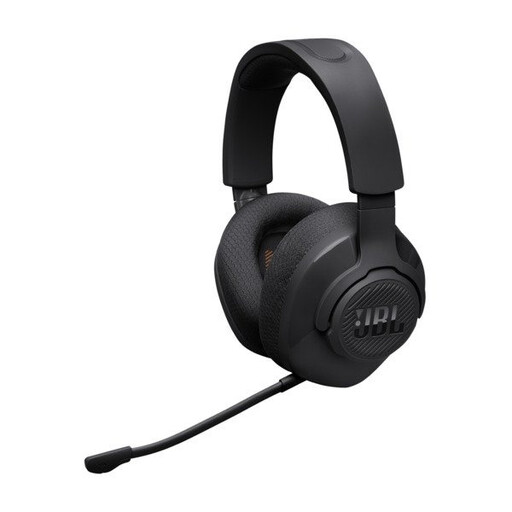
Why it suits this user: This JBL gaming headset combines a 2.4 GHz connection for PC or PlayStation with Bluetooth for other devices.
The dedicated USB receiver means you don’t have to rely solely on the console’s Bluetooth, which may have limited support depending on the platform.
40 mm drivers, detachable boom microphone, on-earcup controls, up to 26 hours of battery life and USB-C charging.
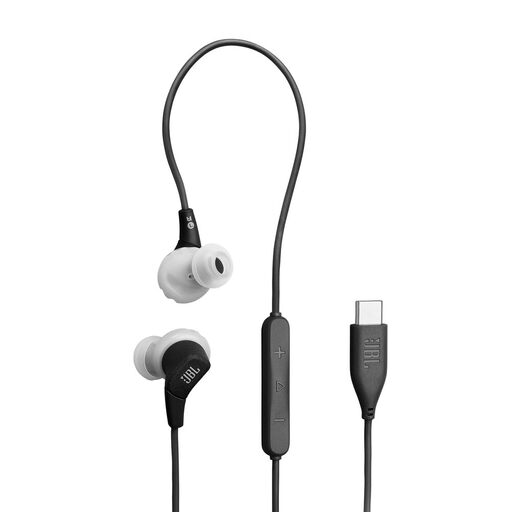
Why it suits this user: The TwistLock fit and wired USB-C design make these earphones a good match for workouts with a compatible device.
The IPX5 rating is clearly stated: it covers sweat and splashes, but doesn’t mean the earphones can be immersed in water.
TwistLock ear tips for a secure fit, 1.2 m flat cable, built-in microphone and playback and volume controls.
We’ve put together a comprehensive list, updated in real time, of products that meet these demanding criteria and European safety standards.
No. Your smartphone must support digital audio output via USB-C. Check its specifications and make sure it’s compatible with the USB Audio Class standard. Even a USB-C to jack adapter doesn’t guarantee universal compatibility.
Bluetooth models give you more freedom to move around, but their battery needs charging. Wired models don’t rely on a battery, but require a physical connection and, with some smartphones, an additional adapter. The right choice depends first and foremost on your devices and listening habits.
Battery capacity gradually decreases with each charging cycle. To help preserve it, avoid high temperatures, use a compatible charger and don’t leave the headphones completely discharged for a long time. Their actual lifespan will also depend on how often you use them and the volume you listen at.