With its enchanting aroma and melt-in-your-mouth texture, Jasmine rice is a staple in global cuisine, especially in Asia. But with a multitude of options on the shelves—differing in origin, grain type, and package size—choosing the right one can quickly become a daunting task. Whether you're a curious home chef, a large family, or a restaurant professional, this guide is here to help you navigate the choices and find the perfect fragrant rice for your needs.
How to Choose the Best Jasmine Rice: The 3 Key Criteria
To ensure you make the right choice, let's review the key factors that distinguish a good Jasmine rice from an exceptional one.
1. Origin: Thailand or Cambodia?
The geographical origin has a direct impact on the rice's aromatic profile and texture.
- Thai Rice: Often considered the gold standard, Thai rice is renowned for its intense floral fragrance and soft, slightly sticky texture after cooking. It's the ideal companion for your curries and stir-fries, a true classic rice for Asian dishes.
- Cambodian Rice: A multi-award winner for its exceptional quality, Cambodian rice (particularly the Phka Malis variety) stands out with its surprising notes of popcorn or pandan, combined with a remarkable softness and a very tender texture.
2. Grain Type: White or Brown?
The choice between white and brown rice is primarily a matter of taste and texture, but also nutrition.
- White Jasmine Rice: This is the most common type. The grain is polished to remove the bran and germ, which gives it its signature soft texture and pristine white colour. Another advantage is its faster cooking time.
- Brown Jasmine Rice: This variety retains its bran layer, resulting in a brown colour, a firmer chew, and a more pronounced nutty flavour. As a bonus, it is much richer in fibre, vitamins, and minerals. It is also very often available as organic rice.
3. Packaging: From 1?kg to Over 18?kg
A purely practical, yet essential, criterion: the package size.
- 1?kg: Perfect for individuals, couples, or for simply trying a new brand without a big commitment.
- 5?kg: The 5kg jasmine rice bag is the quintessential family size. It's cost-effective and well-suited for regular consumption.
- 10?kg, 18?kg, and up: Reserved for professionals (restaurateurs, caterers) or very large households, these XXL bulk rice formats offer the best value for money.
Our Recommended Jasmine Rice Picks
We have selected a few gems that stand out for their quality, origin, and format, catering to all profiles and budgets.
Orchidee Jasmine Rice, Long Grain AAA Quality, 18?kg
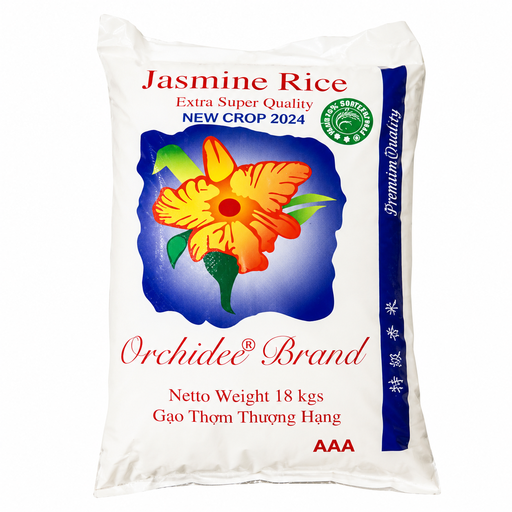
- Key Feature: This rice boasts AAA quality, the highest grade, guaranteeing long, intact, and uniform grains. Its 18?kg XXL format makes it the perfect ally for high-volume consumers.
- Highlights:
- A subtle floral fragrance and a melt-in-your-mouth texture when cooked.
- Naturally gluten-free, non-GMO, and preservative-free.
- A bulk rice format with unbeatable value for money.
- Best for: Restaurant professionals, caterers, and also extra-large families who have made rice a cornerstone of their daily diet.
Golden Phoenix Thai Jasmine Rice, 5?kg
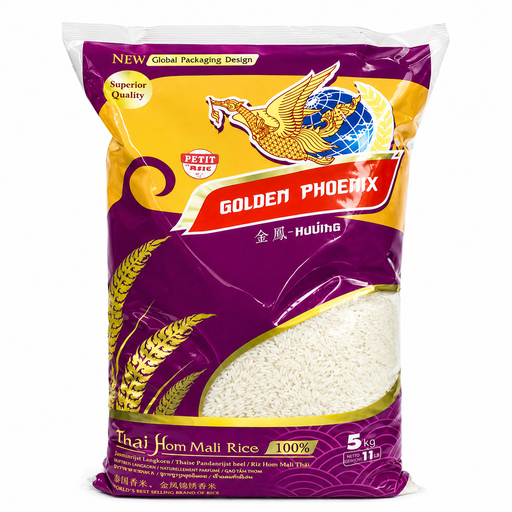
- Key Feature: The benchmark for authentic Thai rice, delivering the classic taste of fragrant rice. Its 5?kg format is the ideal compromise for regular family use.
- Highlights:
- The typical aroma and softness of genuine Thai long-grain rice.
- Extremely versatile, it enhances everything from curries to stir-fried dishes.
- The 5kg jasmine rice size, perfect for families.
- Best for: Families and Asian cuisine enthusiasts who want a superior quality rice for their everyday meals.
Royal Tiger Jasmine Fragrant Rice, 1?kg
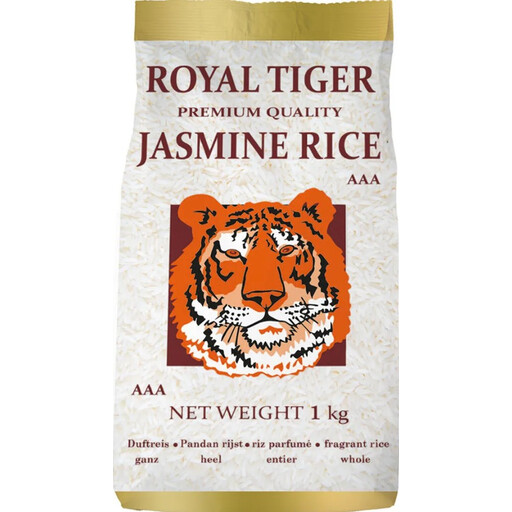
- Key Feature: The Cambodian alternative! This rice surprises with its sweet notes of popcorn and pandan. Its slightly sticky texture, a highly appreciated quality, makes all the difference.
- Highlights:
- A Cambodian origin for a unique aromatic profile.
- A tender and perfectly sticky texture, ideal for eating with chopsticks.
- Guaranteed free from artificial additives and GMOs.
- Best for: Curious foodies in search of new flavours and those who prefer a stickier rice, especially for recipes where this texture is an asset.
Sawat-D Brown Jasmine Rice, 1?kg
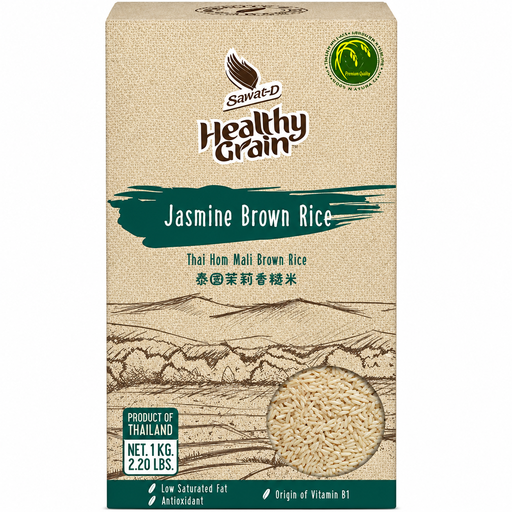
- Key Feature: The healthy and delicious option. This organic brown jasmine rice from the Phka Malis variety retains its bran layer, offering a more pronounced nutty taste and a top-notch nutritional profile.
- Highlights:
- Certified organic rice from an award-winning variety.
- Rich in fibre, with a more intense flavour than white rice.
- A firmer chew that adds dimension to your dishes.
- Best for: Those who are health-conscious and want the benefits of brown rice without sacrificing the enchanting aroma of jasmine.
Our Tips for Perfectly Cooked Jasmine Rice
Mastering the art of cooking jasmine rice is simple if you follow a few golden rules:
- Rinsing: This is an essential step. Rinse the rice under cold water until the water runs clear to remove excess starch. The result: grains that don't clump into a sticky mess.
- Ratios: The golden rule is to use approximately 1 part rice to 1.2–1.5 parts water.
- Cooking: Bring to a boil, then immediately reduce the heat to the lowest setting, cover, and let it simmer gently for 15 to 20 minutes, until all the water is absorbed.
- Resting: The crucial final step! Let the rice rest, still covered, for 5 to 10 minutes off the heat. Then, gently fluff it with a fork. The steam will finish the job, ensuring a perfect texture.
Want to Explore Further?
The world of rice is endlessly versatile. If you're short on time or your recipe requires a specific preparation, there are also ready-made solutions for an effortless and delicious meal.
? Discover our full range of Rice with Sauce for quick and gourmet meals.
Frequently Asked Questions
What is the difference between jasmine rice and basmati rice?
Although they are both long-grain, fragrant rices, they are quite different! Jasmine rice, from Southeast Asia (Thailand, Cambodia), is floral, moist, and slightly sticky. Basmati rice, originating from India and Pakistan, has nutty notes, and its grains remain long, slender, and separate after cooking.
Should you rinse jasmine rice before cooking?
Yes, it's non-negotiable! Rinsing removes the excess surface starch that can make the rice gummy. The right technique: place it in a sieve under cold water, swishing it with your hand, until the water runs almost clear.
How should you store jasmine rice to preserve its aroma?
To preserve its delicate fragrance, the secret is to store it in an airtight container, away from light, heat, and moisture. A cool, dry cupboard is perfect. Be careful: rice is a real odour sponge, so don't store it next to coffee or strong spices.


