
Livraison le jour même ou le lendemain

Qualité garantie

Débloquez vos offres de bienvenue: Livraison GRATUITE | Jusqu'à -80 % | 30 jours d'essai gratuits à JoyPlus
Téléchargez l'application
Buying Japanese alcohol online is a great way to discover a wide range of styles: delicate sake, whisky with woody notes, fruity umeshu or zesty yuzu gin. However, you need to know how to read the labels and look beyond purely commercial descriptions.
Some mistakes are particularly common:
Start by checking the “Country of Origin” statement, the producer’s address or any equivalent origin information. Japanese sake is a fermented beverage made from rice, water and koji. Unlike whisky, gin or shochu, it is not a distilled spirit.
Japanese whisky, Japanese gin and Japanese shochu are distilled spirits. Shochu can be made from sweet potato, barley, rice or other ingredients. The term “umeshu” generally refers to a Japanese plum liqueur that is smooth, fruity and often subtly tart.
This distinction already gives you an indication of the drink’s texture, alcohol content and serving options:
The alcohol content shown as % vol. provides a clear basis for comparing bottles. A 9% umeshu will obviously offer a very different sensation from a 43% gin. Volume also matters when estimating the number of servings and the cost of each tasting.
In France, alcohol sales are restricted to adults. Bottles should be consumed in moderation. Alcohol is not recommended during pregnancy or before driving.
A good product description should provide information about the aromas and serving temperature. For sake, look in particular for terms such as junmai, ginjo or honjozo, the rice-polishing ratio and the stated tasting notes: grain, flowers, fruit, spices or umami.
For Japanese whisky, pay attention to terms such as blended, single grain or malt, as well as notes of fruit, vanilla, spices or smoke. For gin, the presence of yuzu, sansho pepper, matcha tea or other citrus fruits offers an initial indication of whether it is best enjoyed neat or used in a cocktail.
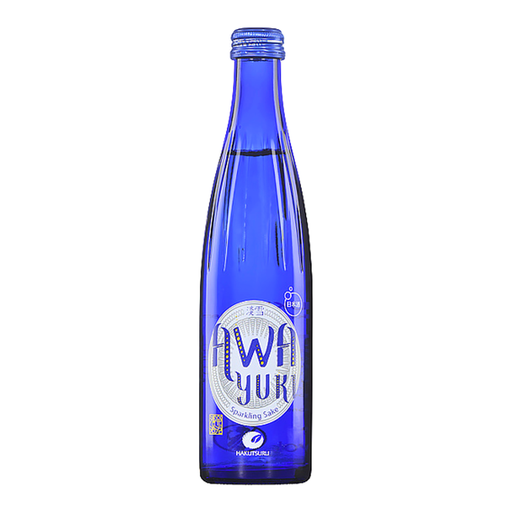
Why it suits this profile: Its compact format and moderate alcohol content make it an excellent introduction for a first tasting or an occasional aperitif. Serve it well chilled; according to the product description, it develops fruity and floral notes with hints of hazelnut, honey and vanilla.
At 30 cl, you avoid committing to a large bottle before knowing whether sparkling sake is to your taste.
A compact format, 5.5% vol. and a serving recommendation of very well chilled.
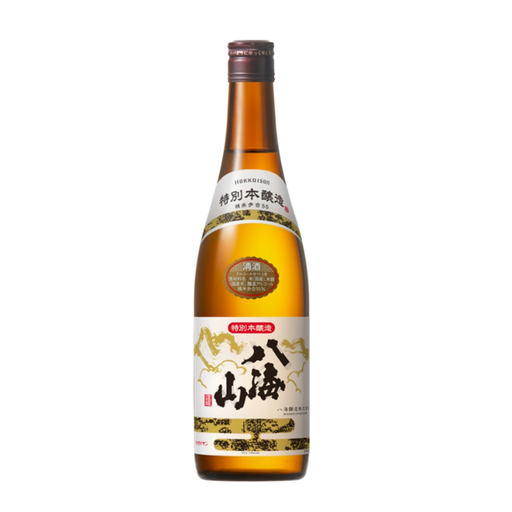
Why it suits this profile: From Niigata, this sake has a light, balanced profile, with notes of grain and fresh rice and a subtly umami finish. It pairs effortlessly with sushi, grilled fish and tempura.
The product description specifies its Japanese origin, Tokubetsu Honjozo style and alcohol content—far more useful information than a simple “premium” label.
A 72 cl format and three serving options: chilled, at room temperature or slightly warmed.
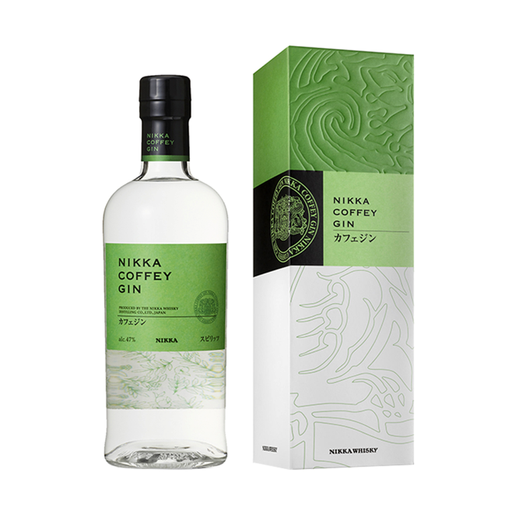
Why it suits this profile: Its recipe combines corn and malted barley distillates with eleven botanicals. The product description highlights Japanese citrus, apple and sansho pepper. Enjoy it neat, with tonic or in a cocktail.
At 47% vol., this is a fairly powerful gin. Add dilution or choose a long drink if you prefer a smoother tasting experience.
A clearly defined citrus profile, a presentation case included and several serving options.
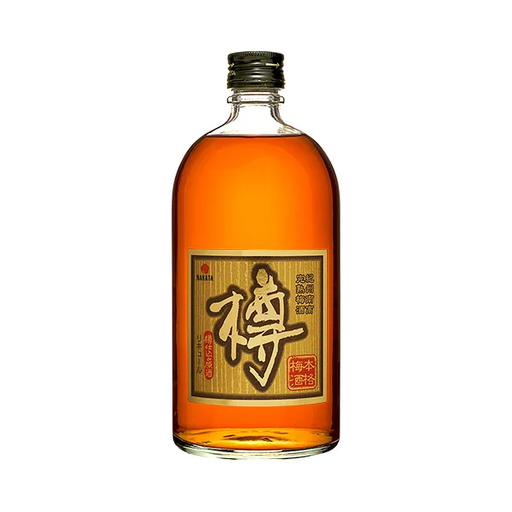
Why it suits this profile: This Japanese plum liqueur has been aged for one year in a barrel. The product description mentions plum notes, tart sweetness and woody nuances. Serve it chilled, over ice or with sparkling water.
The ageing period is clearly specified as one year rather than being described vaguely as barrel-aged.
20% vol., a 72 cl format and three ways to enjoy it.
To accompany a Japanese meal, a Japanese sake such as Hakkaisan Tokubetsu Honjozo, Kubota Senju Ginjo or Kikumasamune Kimoto Junmai pairs well with fish, rice-based dishes and more highly seasoned preparations. Hakutsuru Awayuki sparkling sake is better suited to aperitif occasions, served well chilled.
For a gift, a Japanese whisky presented in a case, such as Nikka Super Nikka, Nikka Coffey Grain or Nikka Coffey Malt, is a polished choice for a spirits enthusiast. However, be sure to check the origin and allergens listed in the product description.
For a group tasting, Japanese umeshu and citrus liqueur gift sets make it easy to compare different flavour profiles. The sudachi, grapefruit and yuzu set includes three 50 cl bottles at 8%, a practical format for introducing guests to several recipes.
Explore an updated selection of products matching these selection criteria and the regulatory information applicable in France.
Both options are possible, depending on the style. A light sake can be served chilled or at room temperature, while some varieties benefit from being gently warmed. Follow the producer’s recommendations and observe the storage conditions stated on the label.
Sake and some fruit liqueurs are generally best consumed soon after opening. Reseal the bottle carefully and refrigerate it if the label recommends doing so. Whisky and gin are best stored upright, tightly closed and away from light and heat.
Check the country of origin, alcohol content, volume, ingredients and storage conditions. Sales are restricted to adults. Then compare the desired style—sake, umeshu, whisky, gin or shochu—with the intended use before placing your order.