
Livraison le jour même ou le lendemain

Qualité garantie

Débloquez vos offres de bienvenue: Livraison GRATUITE | Jusqu'à -80 % | 30 jours d'essai gratuits à JoyPlus
Téléchargez l'application
Japanese whisky appeals both to fans of refined spirits and to curious drinkers keen to discover another whisky tradition. But an attractive label and polished marketing copy are not always enough to make the right choice. With blended, single malt, pure malt and single grain expressions, different bottle sizes and flavour profiles that can sometimes be difficult to predict, a bottle that catches your eye may not match what you are looking for.
Here are the key points to consider before buying Japanese whisky, along with a selection of bottles suited to a range of preferences.
A Japanese blended whisky generally combines malt and grain whiskies. It can offer a balanced, approachable tasting experience without being inherently inferior to a single malt. A Japanese single malt whisky, on the other hand, comes from a single distillery and is made primarily from malted barley, often with a more pronounced character.
The term ‘premium’ should therefore be viewed with a little caution. The price may reflect the packaging, availability, age stated on the label or the reputation of the producer, without guaranteeing that you will enjoy the flavour profile.
Elegant presentation can make a winning Japanese whisky gift idea, but it tells you little about what is inside. Before buying, check the type of whisky, alcohol strength, volume and serving suggestions. A 50 cl bottle may be ideal for a first taste or as a gift, while a 70 cl Japanese whisky is better suited to regular drinking or a home bar.
A whisky intended to be enjoyed neat is not necessarily the best choice for cocktails. Fruity, smooth profiles often work well in a highball with sparkling water and ice. More complex expressions are generally best enjoyed on their own, at room temperature or with a few drops of water.
The type of whisky alone does not determine the quality of a bottle. It mainly tells you about its structure and style.
A 40 % Japanese whisky often offers a smooth texture and a reassuring introduction for first-time drinkers. At 43 %, a 43 % Japanese whisky may have more presence on the palate. Bottles at 45 % or above will generally seem more intense.
Alcohol strength also matters in cocktails. In a highball, a sufficiently aromatic whisky will retain its character despite the addition of sparkling water and ice. When drinking it neat, the right choice depends primarily on your habits and sensitivity to alcohol.
The 70 cl format is well suited to regular drinking at home. 50 cl bottles help keep the initial cost down or allow you to put together a selection of different whiskies to try. Once opened, store your whisky upright, tightly sealed, away from light and significant changes in temperature. There is no need to refrigerate it.
Also remember to check the information on the label: country of origin, importer, any allergens and the legal warning concerning alcohol consumption during pregnancy.
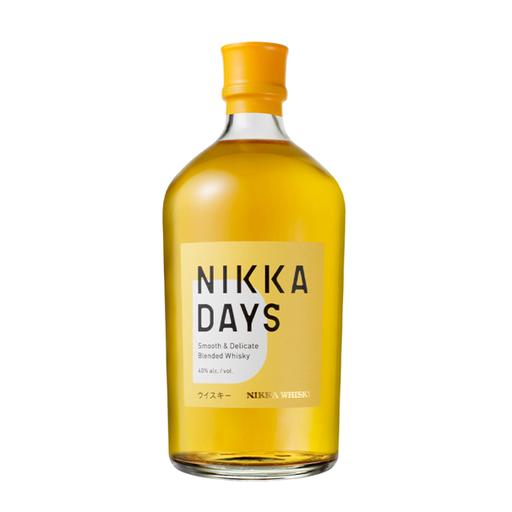
Why this choice suits this profile : At 40 % and in a 70 cl format, this bottle offers an easy introduction to Japanese whisky. Enjoy it neat, over ice or in a cocktail.
The product information clearly states the blended style, alcohol strength and volume, so the design does not overshadow the details that really matter.
Advertised notes of pear, citrus, cereal, malt, vanilla and nuts, with a presentation box included.
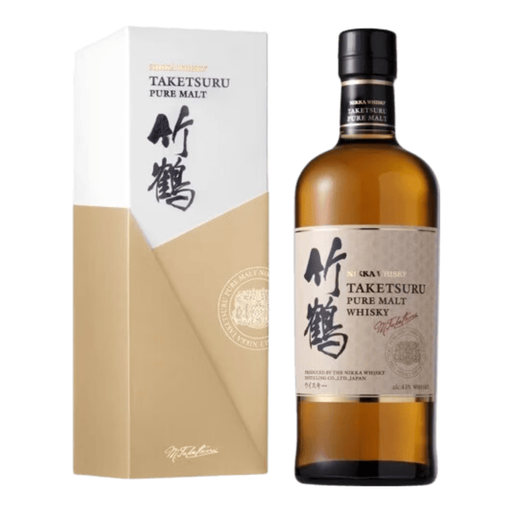
Why this choice suits this profile : At 70 cl, this bottle is aimed at enthusiasts looking for a more structured tasting experience and presentation worthy of a fine spirits selection.
Here, the pure malt designation refers to a blend of malt whiskies from Yoichi and Miyagikyo, rather than a single malt from one distillery.
A 43 % strength, gift box and a profile built around citrus, cereal, gentle spices, candied fruit and a subtle smoky touch.
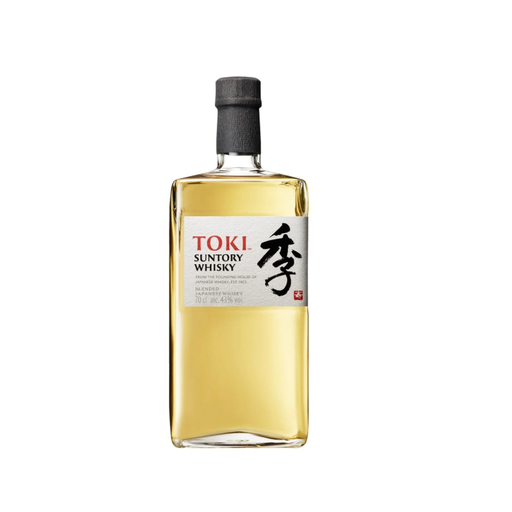
Why this choice suits this profile : Its fresh, herbal profile is well suited to highball fans and households that regularly use whisky to make cocktails.
The product information explains different ways to serve it, including a highball, rather than presenting the bottle as suitable for just one way of drinking it.
A blend said to include whiskies from Hakushu, Chita and Yamazaki, with notes of green apple, basil, grapefruit, green grape and mint.
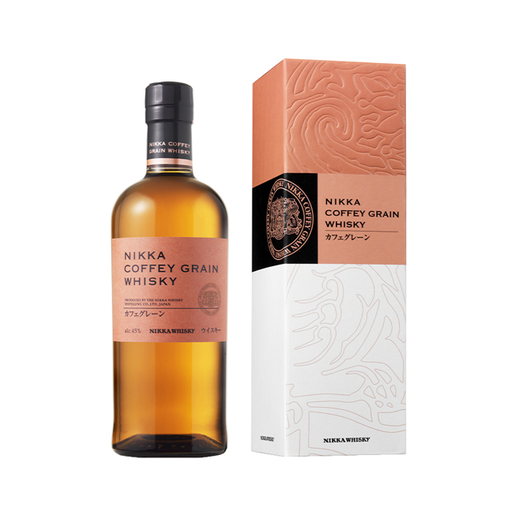
Why this choice suits this profile : Its reportedly smooth texture and various serving options make it enjoyable neat or in mixed drinks.
The single grain category is clearly stated, making it easy to distinguish this bottle from a blended whisky or single malt.
45 % alcohol, a 70 cl bottle, made primarily from maize, with advertised notes of pear and vanilla.
We have brought together a complete, real-time selection of products that meet these selection criteria, as well as European safety regulations.
A 40 % blended whisky is often an approachable introduction, especially if you want to switch between drinking it neat, over ice and in cocktails. Nikka Days fits this approach perfectly, thanks to its advertised fruity and malty profile. Fans of long drinks may also want to try Toki at 43 %.
A tightly sealed bottle stored upright can be kept for several years. However, its contents will gradually change when exposed to air, particularly when there is not much liquid left. Keep it somewhere cool and dry, away from sunlight, and avoid significant changes in temperature.
No. It can be enjoyed neat, with a few drops of water, over ice or in a highball. A smooth blended whisky or fruity single grain often works very well in cocktails. With a more complex expression, start with a small amount neat to identify its aromas, then add a little water or a few ice cubes if desired.