
Same-day & Next-day Delivery

Quality Guaranteed

Unlock Your Welcome Offers: FREE Delivery | Up to 80% OFF | Free 30-day JoyPlus trial
Download the APP
Finesse, complexity, attention to detail… Japanese whisky has taken the spirits world by storm. But with an explosion in options, it's easy to feel lost or fall for common marketing traps. Before investing in a Japanese whisky, whether to stock your home bar or to give a memorable gift, it's crucial to know how to decode a label and understand what's really behind the price tag. This guide gives you all the keys to make an informed choice, far beyond the marketing hype.
The world of Japanese whisky is fascinating, but it's also riddled with pitfalls. Here are two classic mistakes that can ruin your experience or cause you to spend more than you should.
Unlike Scotch, regulations on age statements in Japan have long been more relaxed. As a result, a high number on the label is no guarantee of superior quality. On the contrary, some of the finest gems are no-age-statement (NAS) whiskies. These bottles are the result of masterful blends of distillates of different ages, creating an aromatic complexity that older, more monolithic single malts don't always achieve. Paying a premium for just a number is a rookie mistake.
Single Malt, Pure Malt, Blended Whisky, Single Grain… These are not just minor details; they define radically different profiles. Buying a Japanese single grain, known for its smoothness and corn notes, while expecting the peaty power of a Japanese-style Islay malt is a recipe for disappointment. Understanding these categories is fundamental to hitting the mark and finding a whisky that suits your palate.
To make the right choice, forget the marketing and focus on what truly matters: the whisky's composition and origin.
A whisky's profile primarily depends on its recipe. Here are the main families to distinguish:
The distillery's name is a signature. Houses like Nikka Whisky operate multiple sites (Yoichi and Miyagikyo, for example), each producing a distillate with a distinct character. The distillation method is just as crucial. The use of traditional pot stills or column stills (like the famous Coffey stills) is a complete game-changer. A whisky from a Coffey still, for example, will generally be richer, more unctuous, and develop more indulgent aromas.
Rather than a rigid ranking, here is our selection of iconic bottles paired with taster profiles. The goal is to help you find the bottle that matches not only your tastes but also the occasion.
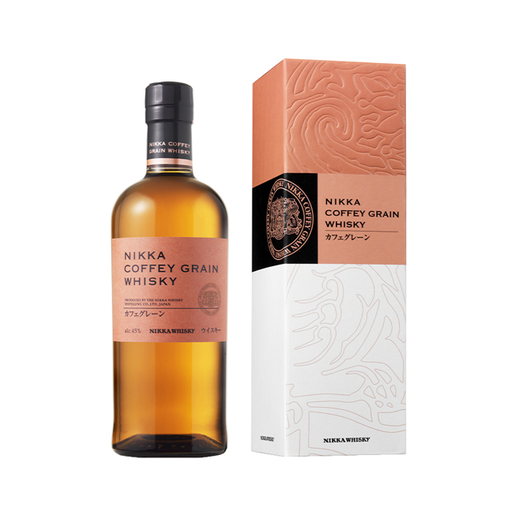
Why we love it: It's the perfect gateway to Japanese whisky without the sometimes-intimidating power of peat. Distilled mainly from corn in a Coffey still, it offers a unique roundness and pastry-like sweetness. Ideal neat, or as the base for an extraordinary cocktail.
This whisky proves that an NAS (no-age-statement) can outperform many older whiskies. It highlights technical expertise (distillation as a Single Grain) rather than just a number on a label.
An indulgent aromatic profile of vanilla, caramel, and tropical fruits. Its rich, almost creamy texture is the signature of the Coffey still.
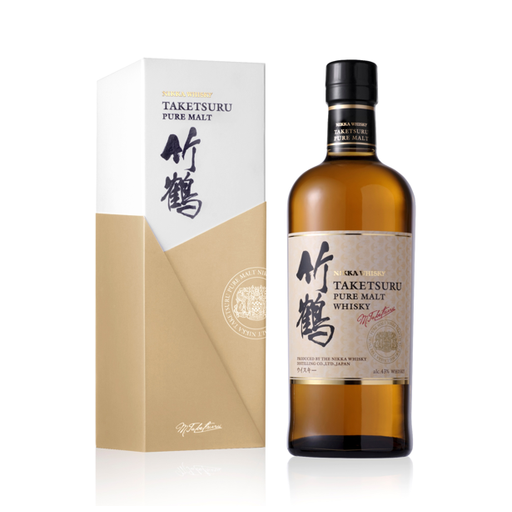
Why we love it: A tribute to Masataka Taketsuru, the father of Japanese whisky. This Japanese pure malt is a masterpiece of blending, marrying single malts from the Yoichi (for character) and Miyagikyo (for elegance) distilleries. The result is a masterful balance between malt richness, citrus freshness, and a delicate touch of peat and spice.
It embodies the magic of blending, which speaks volumes more than a simple age statement. By marrying two complementary malt styles, it achieves a complexity and depth that few single malts can match.
A complex profile that evolves in the glass, with notes of dark chocolate, sweet spices, and candied fruit. A sure thing for a Japanese whisky gift set intended for a connoisseur.
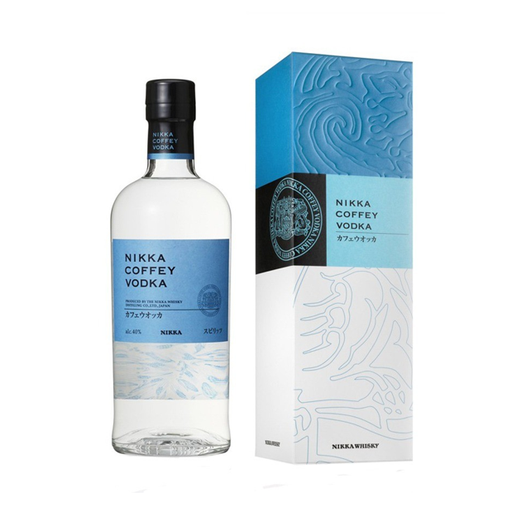
Why we love it: Because Nikka's expertise isn't limited to whisky! This vodka, distilled in the same Coffey stills as their famous grain whiskies, is a mini-revolution. It offers a roundness and aromatic richness completely unheard of for a white spirit.
This bottle shatters the notion that Japan only excels at whisky. It's a demonstration of a great house's technical mastery applied to a different universe.
A silky texture and subtle notes of citrus zest and spice. An exceptional base for high-end cocktails, or simply to be enjoyed neat and chilled.
Discover our complete selection of spirits, all chosen for their quality and authenticity.
For an optimal tasting, savour your Japanese whisky neat in a tulip-shaped glass that will concentrate the aromas. Feel free to add a few drops of cool water to open up the bouquet, especially with more powerful versions. The "Mizuwari" style (whisky diluted with water and served over ice), very popular in Japan, is also an excellent and particularly refreshing option.
Absolutely. A Japanese whisky gift set typically includes a bottle and tasting glasses. It's the ideal gift for an enthusiast as it offers a turnkey experience. Gift sets from renowned houses like Nikka Whisky are a safe bet, combining elegant presentation with impeccable products.
Certain limited editions or bottles from now-closed distilleries can fetch staggering prices at auction. However, buying whisky purely as an investment remains a risky bet that requires deep market knowledge. Our advice: always prioritise the pleasure of tasting over speculation.