The world of Japanese tea is as rich as it is fascinating, with a spectrum of flavours, aromas, and rituals captivating more and more enthusiasts. Whether you're drawn to the vibrancy of matcha, the comforting flavour of genmaicha, or the roasted sweetness of hojicha, navigating the options can be a challenge.
This guide is here to help you find your way, understand the key differences, and discover the tea that's perfect for you. Our mission? To give you all the tools you need to make the right choice, effortlessly.
How to Choose the Right Japanese Tea for You
Before you start shopping for Japanese tea, a few simple criteria can point you in the right direction. Asking the right questions is half the battle in finding your perfect match.
1. Understand the Main Categories of Tea
The first thing to know is that there are two main categories: powdered teas and leaf teas.
- Powdered Tea (Matcha): This is finely ground green tea leaves. Instead of being steeped, it's whisked directly into hot water. Matcha offers an intense, vegetal, and umami-rich flavour. Its preparation, often done with a bamboo whisk (chasen), is a ritual in itself.
- Leaf Teas (Sencha, Genmaicha, Hojicha): These teas are steeped in hot water, either loose or in a teabag. Their flavours vary considerably depending on the variety and how the leaves are processed. This is the most common option and is often simpler for daily preparation.
2. Identify Your Preferred Flavour Profile
Every Japanese green tea has its own unique character.
- Fresh and Vegetal Flavours: If you enjoy herbaceous, marine notes with a slight bitterness, green teas like Sencha or Matcha are a perfect place to start.
- Roasted and Rich Flavours: If you prefer softer, rounder, and more comforting aromas, try genmaicha tea (a blend of green tea and roasted brown rice) or hojicha tea (green tea roasted at high temperatures). With their nutty and toasted grain notes, they are an excellent introduction.
3. Consider Convenience and When You'll Drink It
Your daily routine is also a good guide. Matcha invites a small ritual, perfect for taking a mindful break. Teabags, on the other hand, are ideal for a quick break at the office or at home. Also, consider the caffeine! Hojicha, thanks to its roasting process, contains very little, making it the perfect evening drink.
Top Japanese Tea Picks
To get you started, here is our selection of three teas that perfectly illustrate the richness of Japan, each with its own distinct character.
For the Ritualist: OTSUKA SEICHA Shizuoka Matcha Powder Bag 30g
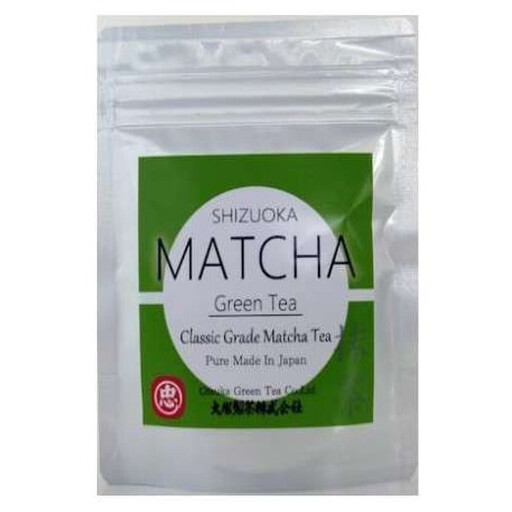
OTSUKA SEICHA Shizuoka Matcha Powder Bag 30g
- Why we love it: A 100% matcha powder, pure and simple, from the Shizuoka prefecture, one of the birthplaces of Japanese tea. It offers an authentic experience, whether for a traditional preparation or for unleashing your culinary creativity.
- Benefits:
- Pure tea powder with no additives.
- Highly versatile: perfect for the tea ceremony, lattes, smoothies, or baking.
- Its intense vegetal flavour and jade-green colour are a sign of its freshness.
- Who is it for?: For those curious about starting the matcha ritual, creative cooks, and anyone looking for a healthy and flavourful alternative to coffee.
For a Comforting Break: HAMASA YUKI Genmai Cha Tea 20Bags 40g
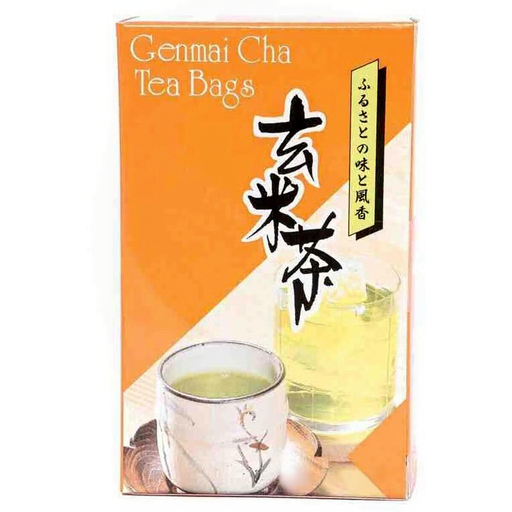
HAMASA YUKI Genmai Cha Tea 20Bags 40g
- Why we love it: Genmaicha is a unique Japanese speciality that combines the freshness of green tea with the rich, satisfying roundness of puffed and roasted brown rice. This version in individual teabags makes it simple and quick to enjoy.
- Benefits:
- A unique nutty aroma and a very smooth flavour.
- Ultra-convenient format of 20 teabags, ideal for everyday use.
- Low in caffeine, it can be enjoyed throughout the day.
- Who is it for?: For anyone looking for an original and comforting hot drink. It's the perfect gateway into the world of Japanese tea, especially if you're wary of the bitterness found in some green teas.
For a Moment of Relaxation: Otsuka Yunomi Hojicha Tea Bag 10pcs 30g
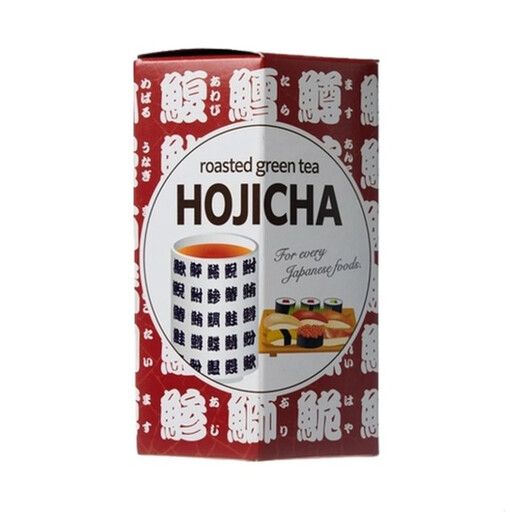
Otsuka Yunomi Hojicha Tea Bag 10pcs 30g
- Why we love it: Hojicha is a unique Japanese green tea: its leaves are roasted, which gives it a sublime amber hue and woody, caramelised notes. Bonus: this process eliminates almost all of the caffeine.
- Benefits:
- A unique roasted taste, completely free of bitterness.
- Virtually caffeine-free, making it perfect for a relaxing evening break.
- Comes in convenient teabags for easy steeping.
- Who is it for?: For people sensitive to caffeine, for those who want a soothing drink before bed, and for the curious who wish to explore a lesser-known side of Japanese tea.
Looking for Other Options?
Our selection is just a taste, and the world of hot beverages is full of hidden gems. Each tea is an invitation on a journey worth discovering.
If you'd like to explore other tea varieties or discover different infusions, we invite you to browse our complete Hot Beverage Sachets category.
Frequently Asked Questions
What is the difference between matcha and other Japanese green teas?
The main difference lies in how it's prepared and consumed. Matcha is a very fine powder of whole tea leaves. You therefore drink the entire leaf, ground into a powder, after whisking it in water. For other green teas (sencha, genmaicha, etc.), you steep the leaves and then remove them. As a result, matcha has a much more intense flavour and a more velvety texture.
Which Japanese tea has the least caffeine?
Without a doubt, hojicha tea! The process of roasting the leaves at a high temperature eliminates most of the caffeine. Genmaicha is also a good option, as the roasted rice it contains has no caffeine, which dilutes the overall dose.
How do you properly prepare Japanese tea?
The preparation varies depending on the type of tea:
- For Matcha: Sift 1 to 2 grams of powder into a bowl. Add 70 ml of hot water (around 80°C, but never boiling!). Whisk vigorously with a bamboo whisk (chasen) in a "W" motion until a fine foam forms.
- For Teabags (Genmaicha, Hojicha): Place the teabag in your cup. Pour hot water (between 80 and 90°C) over it and let it steep for 1 to 3 minutes, depending on your preference. Remove the teabag, and it's ready! The key is to never use boiling water, as this can release bitterness from the leaves.


