
Livraison le jour même ou le lendemain

Qualité garantie

Débloquez vos offres de bienvenue: Livraison GRATUITE | Jusqu'à -80 % | 30 jours d'essai gratuits à JoyPlus
Téléchargez l'application
With its delicate flavours and rich history, Japanese tea is captivating more and more enthusiasts in the UK. But whether you're looking for a simple refreshment or a true tasting experience, the sheer variety of options can be overwhelming. As a product expert at Joybuy, my mission is to guide you through this maze to find the perfect match, far from the usual marketing ploys.
Venturing into an online Japanese grocery store can quickly become a headache. Between misleading labels and endless ingredient lists, it's easy to make a mistake. Here are the two most common traps to avoid:
For a successful purchase, focus on a few foolproof key indicators. These will help you judge a product's real quality, far beyond its packaging.
This is the most revealing element. For a tea to be brewed, the list should be as short as possible: "green tea," "roasted rice," etc. For a ready-to-drink Japanese beverage, examine it carefully:
Not all varieties are created equal. Knowing the basics will help you find the flavour profile that suits you.
Your choice will depend on your lifestyle and expectations.
To guide you, here are a few recommended options, each suited to a specific need.
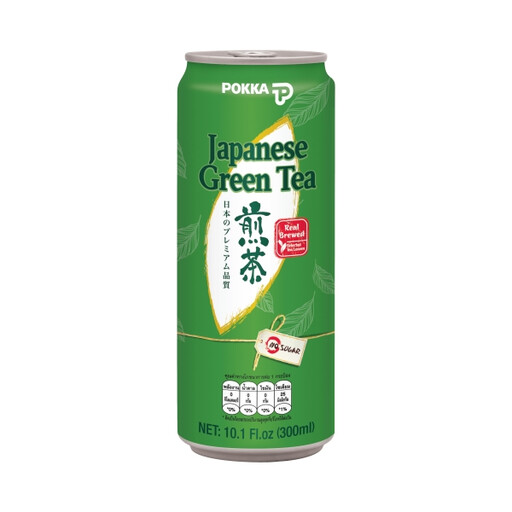
Why it's the right choice: Ideal for busy people looking for a healthy, thirst-quenching drink to take with them. Its 300ml format slips easily into any bag for a break at the office or after a workout.
This product gets straight to the point: no sugar, no calories, and no artificial flavours. It sidesteps the trap of overly sweet drinks that mask a low-quality tea.
Made from freshly brewed tea, it delivers a pure, authentic taste. Its minimalist ingredient list (water, green tea, vitamin C) is a sign of transparency and quality.
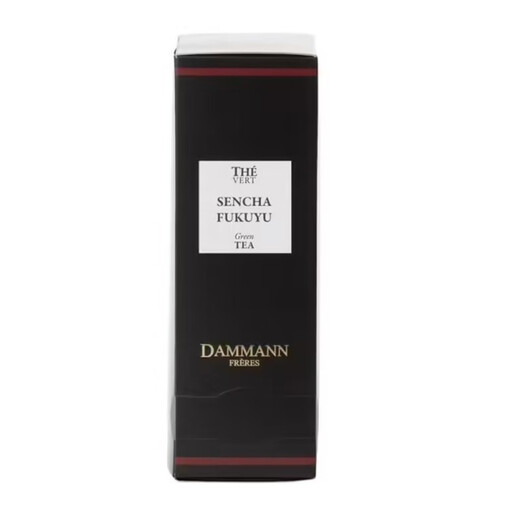
Why it's the right choice: For those who cherish the ritual of brewing and seek an authentic taste experience. This Sencha Fukuyu is perfect for a morning tasting or a moment of tranquillity.
The ingredient list is crystal clear: 100% organic Japanese green tea. No additives, sugar, or flavourings. A guarantee of authenticity, far from marketing gimmicks.
This sencha tea unfolds with powerful vegetal notes and a fruity finish, the signature of a quality harvest. The individual tea bag format perfectly preserves the freshness of the aromas.
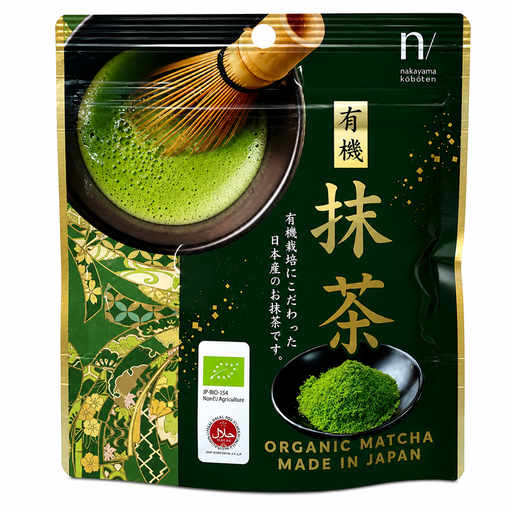
Why it's the right choice: Perfect for those who want to start making lattes, smoothies, or delve into the traditional matcha ritual. Its versatility and quality make it an ideal base.
Here, we are talking about 100% organic Matcha green tea, not just a simple green tea powder. This guarantees you'll get the emerald colour, *umami* taste, and silky texture of a true matcha.
Its organic certification and origin (Fukuoka Prefecture) are real assets. It offers delicate, herbaceous aromas with a subtle and well-balanced bitterness.
We have selected a full range of products that meet our quality criteria.
The main difference lies in cultivation and preparation. Sencha tea is brewed from whole leaves that have grown in full sun. Matcha tea, on the other hand, is a very fine powder made from shade-grown leaves. This process increases their chlorophyll and amino acid content, giving it a smoother taste and a more pronounced umami. In short: sencha is steeped, matcha is whisked into water.
For loose-leaf or powdered teas like matcha, proper storage is essential. Keep them in an airtight container, away from light, heat, and moisture. Once opened, a bag of matcha is best kept in the refrigerator and should be consumed within a few weeks. Bottled drinks should be stored in a cool, dry place before opening, and then refrigerated and consumed within 24 to 48 hours.
It all depends on the product! While many options are saturated with sugar, brands like Pokka or Kirin offer sugar-free and calorie-free versions of Japanese green tea. These are excellent healthy alternatives to sodas, and they also provide the natural antioxidants (polyphenols) found in tea. The key is to always check the nutritional label to make an informed choice.