The world of Japanese tea is as rich as it is fascinating, but it can seem daunting for newcomers. From matcha to genmaicha and hojicha, the varieties are numerous and the flavour profiles unique. How can you navigate this world and make the right choice without getting lost in the terminology?
Our mission at Joybuy is to give you the keys to understanding it all. This guide breaks down the main types of tea from Japan for you, helps you find the one that suits your palate, and presents a selection of authentic products available online.
How to Choose Your Japanese Tea?
To ensure you buy a Japanese tea you'll love, a few simple criteria are all you need. Here are three points to guide you.
1. Identify the Tea Type Based on Your Taste
Each Japanese green tea has its own unique character, which depends on its cultivation and production method:
- Genmaicha: A blend of green tea (often Bancha or Sencha) and roasted brown rice grains, some of which are puffed. It offers soft vegetal notes and a comforting aroma of toasted hazelnut.
- Hojicha: This roasted Japanese tea is one-of-a-kind. The green tea leaves are roasted at a high temperature, giving them an amber colour and a woody, almost caramel-like flavour, with a very low caffeine content.
- Matcha: This famous matcha powder is made by finely grinding high-quality green tea leaves (Tencha). Its taste is complex—both vegetal and sweet, marked by its signature umami flavour.
- Sencha: This is the most widely consumed tea in Japan. Its leaves are steam-fired, which preserves their bright colour and their fresh, vegetal, and slightly astringent flavour.
2. Understand the Format: Tea Bags, Loose Leaf, or Powder?
The packaging plays a key role in the preparation and tasting experience:
- Japanese tea bags: Ideal for simple and quick daily use. It's the ultimate convenient option, for the office or on the go.
- Loose leaf tea: Favoured by connoisseurs who want precise control over dosage and infusion. The leaves have more space to expand and release their full aroma.
- Powder: Specific to matcha, this format allows for traditional preparation with a whisk (chasen), but it also integrates perfectly into cooking and baking.
3. Check the Origin and Freshness
The quality of a Japanese tea heavily depends on its freshness. Opt for opaque packaging that protects the tea from light and air. Regions like Shizuoka, Uji, or Kagoshima are renowned for the excellence of their production. Also, remember to check the best-before date on the packaging—it's a good habit to check.
Our Japanese Tea Recommendations
To guide you on your journey, here is a selection of four teas that are a perfect showcase of the diversity of Japanese flavours.
Genmaicha: The Union of Green Tea and Roasted Rice
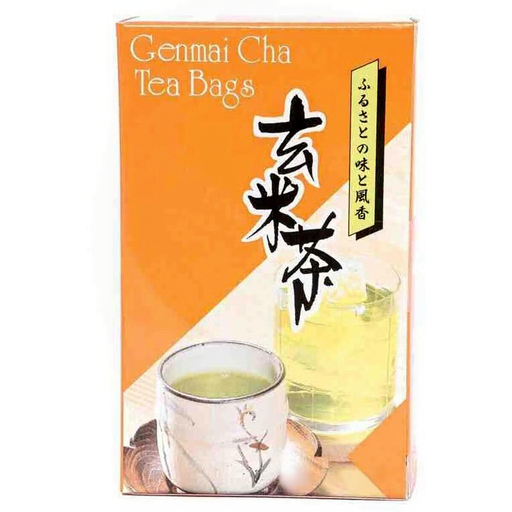
HAMASA YUKI Genmai Cha Tea 20Bags 40g
- Why it stands out: A classic Genmaicha that combines green tea and roasted brown rice. The result is a balanced drink where the freshness of the tea is softened by the rich, toasted notes of the rice.
- Advantages:
- Unique and comforting hazelnut aroma.
- Low in caffeine, it can be enjoyed at any time of day.
- Convenient: 20 individual tea bags for quick and easy preparation.
- An authentic taste, with no artificial additives.
- Who is it for?: Ideal for those new to Japanese tea and looking for a smooth, comforting drink, or for lovers of roasted flavours.
Hojicha: The Smoothness of a Roasted Tea
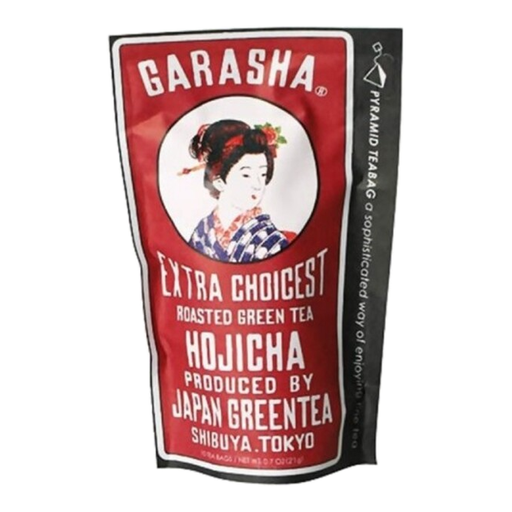
GARASHA Roasted Hojicha Green Tea JP 21 g
- Why it stands out: This Hojicha is the result of a masterful roasting process that transforms selected green tea leaves. Its reddish-brown liquor releases a unique roasted fragrance, without the bitterness sometimes associated with green tea.
- Advantages:
- A smooth, rounded taste with no astringency.
- Very low in caffeine, making it the perfect evening drink.
- Provides a soothing experience, a truly relaxing moment.
- Who is it for?: Perfect for people sensitive to caffeine, children, or anyone looking for a smooth, warming alternative to coffee after dinner.
Green Tea in Bags: Everyday Simplicity
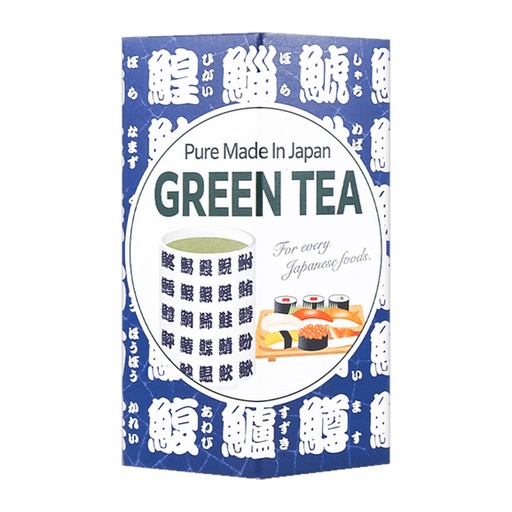
Otsuka Do Yunomi Green Tea Bag 30g
- Why it stands out: The quality of loose leaf tea, but in an ultra-convenient Japanese tea bag format. It offers a light green infusion, a fresh aroma, and a thirst-quenching taste, typical of a good everyday green tea.
- Advantages:
- Quick and easy to prepare, at home or at the office.
- Fresh, delicate, and refreshing taste.
- Natural, with no artificial colours or preservatives.
- Who is it for?: For active people who want to easily incorporate the benefits and pleasure of Japanese green tea into their routine, without compromising on flavour.
Matcha: The Precious Powder for Ceremony and Cooking
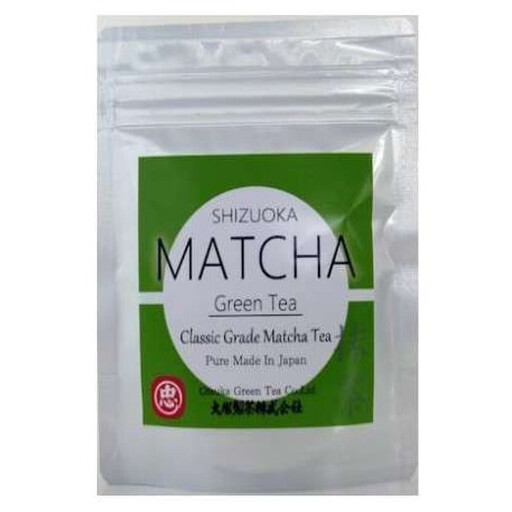
OTSUKA SEICHA Shizuoka Matcha Powder Bag 30g
- Why it stands out: Made from 100% matcha, this product comes from the Shizuoka prefecture, a region renowned for its teas. Its fine powder and vibrant colour are hallmarks of quality, making it as good for drinking as it is for cooking.
- Advantages:
- Ultra-versatile: for preparing matcha tea, lattes, smoothies, or pastries.
- Rich and complex flavour, with the characteristic umami note.
- Perfect for getting started with traditional matcha preparation.
- Who is it for?: For creative home cooks, baking enthusiasts who want to add a Japanese touch to their recipes, and purists looking to prepare their bowl of matcha at home.
Looking for Other Options?
Has our selection whetted your appetite, but you want to explore other varieties? Many other teas are available. The tea bag format, for example, offers a wide diversity of flavours while remaining very accessible.
? Discover our full range of green tea bags to find your perfect match.
Frequently Asked Questions about Japanese Tea
What is the difference between Japanese green tea and Chinese green tea?
The main difference lies in the production method. In Japan, the oxidation of the leaves is stopped by quickly steaming them. This is what preserves their bright green colour and fresh, vegetal aromas. In China, the most common method is roasting in large pans ("pan-firing"), which develops more toasted notes and gives the leaves a duller colour.
How do you prepare traditional matcha?
Preparing matcha is a ritual in itself, but a simplified version is very accessible. Sift about 1 to 2 grams of matcha powder into a bowl. Add 70 ml of hot water (about 80°C / 175°F, never boiling!). Whisk the mixture vigorously with a bamboo whisk (chasen) in a "W" motion until a fine, creamy foam forms.
Which Japanese tea has the least caffeine?
Hojicha is the clear winner. Its high-temperature roasting process eliminates a large portion of the caffeine. Genmaicha is also an excellent option, as the blend with rice dilutes the tea concentration. Both are therefore perfect choices for consumption later in the day.
By the Joybuy product experts


