
Livraison le jour même ou le lendemain

Qualité garantie

Débloquez vos offres de bienvenue: Livraison GRATUITE | Jusqu'à -80 % | 30 jours d'essai gratuits à JoyPlus
Téléchargez l'application
Japanese sweets are tempting with their unexpected flavours, individual portions and sometimes puzzling textures. But a pretty picture of matcha or sakura isn't enough to guarantee the product will suit your taste. Between specialities actually made in Japan, recipes simply inspired by Japanese culture, and Asian desserts distributed in the UK, it's worth taking a moment to check a few details.
Before buying Japanese mochi, sweets, biscuits or an assortment of Japanese confectionery, three pitfalls crop up time and again:
Start by checking the country of manufacture, the ingredient list and the contact details of the responsible person in the European Union. This information helps you tell the difference between an imported product from Japan and a Japanese-style sweet made elsewhere in Asia.
Recipes with matcha, strawberry, yuzu, chocolate or red bean can vary hugely from one product to another. If you have an allergy, the "contains" and "may contain traces of" statements deserve your full attention. UHA matcha sweets, for example, contain milk and soya, with possible traces of wheat, eggs and peanuts depending on the product sheet.
Japanese mochi comes in several forms:
For ice cream mochi, a few minutes at room temperature is usually enough to soften the rice dough. Always follow the manufacturer's instructions and avoid leaving the box out of the freezer for too long.
A bag of small sweets or Pocky is ideal for nibbling throughout the day, whereas a box of six ice cream mochi is better suited to a dessert to share. Remember to check the number of portions, the net weight and whether individual wrappers are included.
Japanese biscuits and chocolate bars are generally easy to transport. Frozen desserts, on the other hand, need appropriate delivery and storage. When giving a gourmet assortment, the variety of flavours and the care taken over presentation often matter just as much as the total weight.
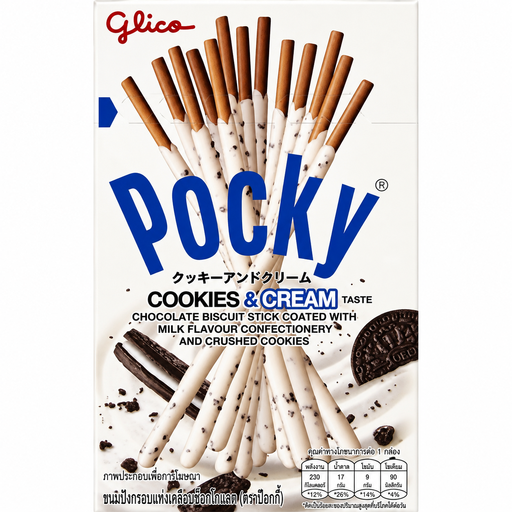
Why this suits this profile: This small format lets you discover a well-known Japanese speciality without investing in a large assortment. The sticks go perfectly with a coffee or tea.
At 45 g, this bag limits the risk of buying too large a quantity for a first taste.
Crunchy sticks coated in cookies and cream, in an easy-to-share format. Contains wheat, milk and soya.
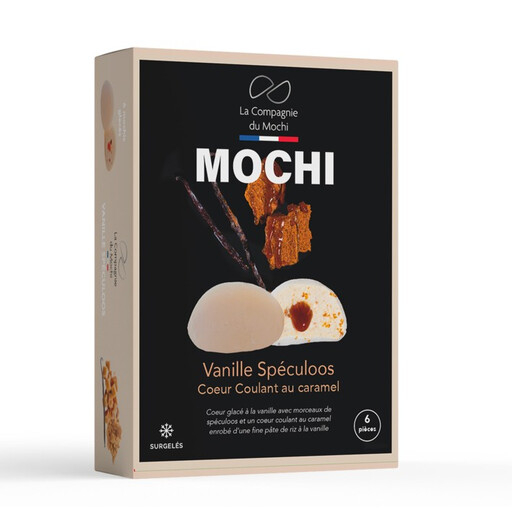
Why this suits this profile: This recipe layers rice dough, a caramel heart, vanilla ice cream and speculoos pieces for a rich, textured experience.
The product sheet clearly states the weight, number of pieces, allergens and storage at –18 °C, so you can make an informed choice.
Six 33 g pieces, with a caramel heart and speculoos pieces. Contains milk, gluten and soya.
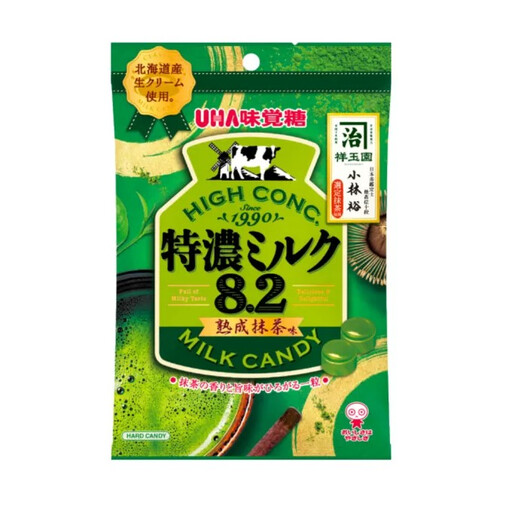
Why this suits this profile: Individually wrapped, these sweets keep easily and are perfect for enjoying over time at the office, on the go or when sharing with others.
Individual wrapping means you don't have to finish the bag quickly once opened.
A milk and matcha flavour from Uji, a 71 g bag and manufacture presented as Japanese. Contains milk and soya.
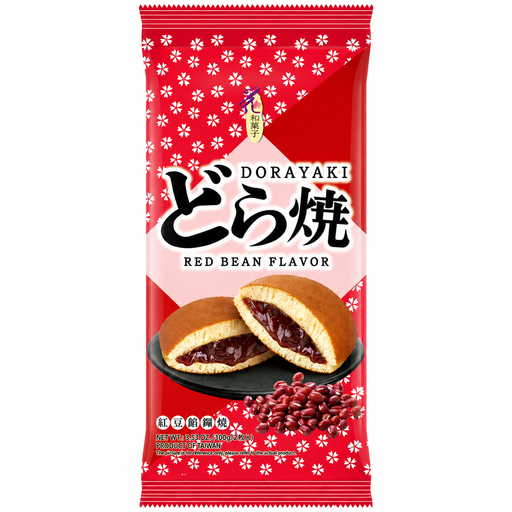
Why this suits this profile: With three cakes, this format lets you discover a dorayaki-inspired pastry without having to worry about freezer storage.
The number of pieces and total weight are clearly stated. Room-temperature storage also makes life simpler.
Soft pancakes filled with red beans and chestnuts, in three portions. Contains wheat, eggs and soya.
We've put together a comprehensive selection, updated in real time, of products that meet these exacting criteria as well as European food safety standards.
Start by checking the best-before date and the instructions on the packaging. Mochi stored at room temperature should generally be resealed and eaten quickly to preserve its texture. Ice cream mochi must stay frozen at –18 °C or below and must never be refrozen after thawing.
It all depends on the texture and ingredients. The elastic rice dough of some mochi can pose a choking risk for young children. Hard sweets should also be eaten under supervision. Check the recommended age, adjust portion sizes if needed, and make sure the child chews properly.
The price varies depending on the format, origin, storage requirements and delivery costs. Small bags of Japanese sweets, Pocky or biscuits let you try them for the first time at a lower cost. Boxes of ice cream mochi are often more expensive because of the cold chain requirements, but they offer several individual portions.