
Livraison le jour même ou le lendemain

Qualité garantie

Débloquez vos offres de bienvenue: Livraison GRATUITE | Jusqu'à -80 % | 30 jours d'essai gratuits à JoyPlus
Téléchargez l'application
The Japanese art of living is no longer just about sushi and ramen. It has now found its way into our glasses, with a rich variety of spirits that intrigues enthusiasts of new flavours. But when faced with a wall of bottles with mysterious labels, how do you find your way? Between Japanese whisky, sake, and umeshu, making the right choice for a tasting, an original aperitif, or a gift can quickly become a puzzle.
Don't worry, this guide is here to shed some light. Our mission: to give you clear, practical pointers to help you buy the Japanese spirit that's right for you, without drowning you in technical jargon.
Before we get to our selection, here are a few key tips to guide you.
The context of the tasting is the best place to start.
Whisky, sake, umeshu: each drink has its own identity, shaped by its ingredients and production process.
Labels aren't just for decoration: they provide valuable clues. Terms like "fruity," "floral," "malty," or "peated" will help you anticipate the drink's character. Feel free to choose a profile that matches your usual preferences, whether you're a fan of fruity white wines or woody whiskies.
To illustrate the richness and diversity of the Japanese landscape, here are three gems that caught our eye, each with a distinct character.
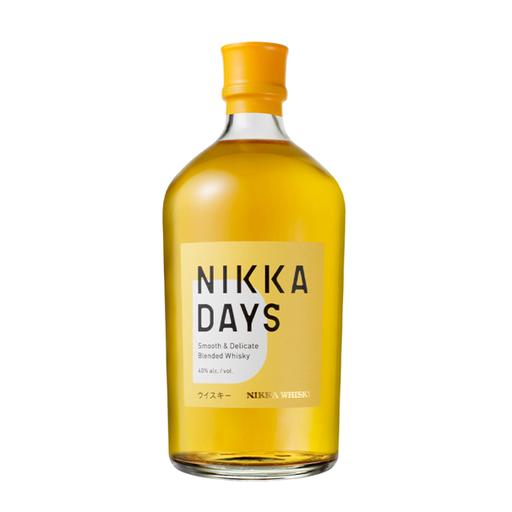
Why it stands out Nikka Days is a blend of grain and malt whiskies from the Miyagikyo and Yoichi distilleries, two iconic names in Japanese whisky. Its strength? A fruity and smooth profile that makes it as accessible to newcomers as it is enjoyable for connoisseurs.
Its strengths
Who is it for? The ideal choice for an introduction to Japanese whisky without the harshness of overly peated or woody notes. It's also the perfect all-rounder to have in your bar.
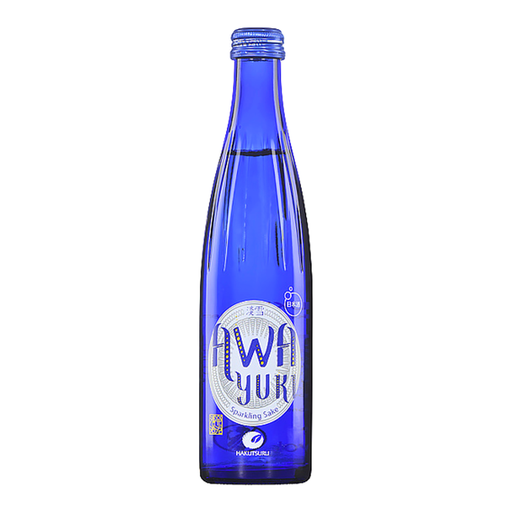
Why it stands out This sparkling sake breaks the mould. With its low alcohol content and fine bubbles, Awayuki Sparkling offers a modern and festive tasting experience. The Hakutsuru brewery has developed a specific yeast to produce citrus aromas that enhance its freshness.
Its strengths
Who is it for? For anyone looking for an original alternative to prosecco or champagne. It's also an ideal gateway into the world of sake, especially if you enjoy soft, fruity, and delicately sweet drinks.
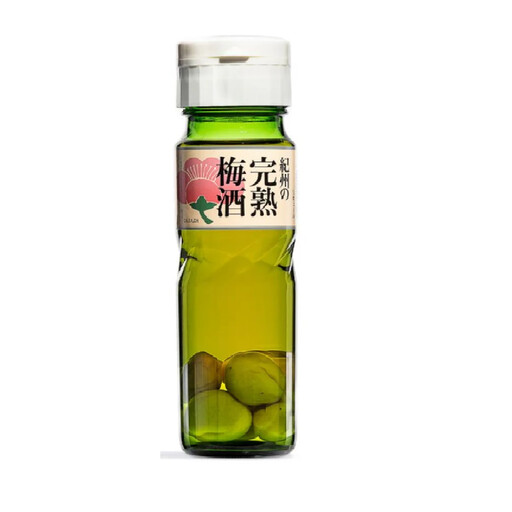
Why it stands out This umeshu stands out for the whole plums that steep in the bottle, continuing to infuse their flavours. The result is a perfect balance between the fruit's sweetness and a hint of acidity, without ever being cloying.
Its strengths
Who is it for? For lovers of sweet liqueurs and fruity flavours. A comforting drink that can be enjoyed as an aperitif or a digestif, and which provides a very interesting base for having fun with mixology.
Our selection is just a taster. If the sweet and delectable profile of umeshu has piqued your curiosity, you should know that Japan is full of similar treasures. To discover other fruit-based liqueurs and drinks, feel free to explore our dedicated category.
Discover our full range of fruit wines
It's all in the production method. Japanese sake is a fermented beverage made from rice, water, and a yeast mould (koji); its brewing process is reminiscent of beer, but the final result is closer to wine. Japanese whisky is a spirit distilled from grains (like barley or corn) and then aged in casks, a process similar to that of Scotch whisky.
Umeshu is incredibly versatile. Here are the most common ways to enjoy it:
Absolutely! Nikka Days, for example, is the perfect base for a Highball (whisky and soda water). Umeshu can replace vermouth to add a sweet and sour touch. Sake, in turn, allows for the creation of light and floral cocktails. The finesse of Japanese spirits makes them fantastic allies in mixology.