Japanese spirits are captivating more and more palates worldwide, and for good reason. From the finesse of a whisky and the complexity of a sake to the rich flavour of a plum liqueur, the Japanese archipelago is brimming with liquid treasures. But with such diversity, navigating the options can be a challenge.
Fear not—this guide is here to bring you clarity. As product selection experts at Joybuy, we've done the groundwork to give you the keys to finding the perfect bottle, whether it's for a tasting, a gift, or your next cocktail creation.
How to Choose the Right Japanese Spirit
Before diving into our selection, here are the essential criteria to consider when buying a Japanese spirit.
1. Understand the Main Categories
Behind the somewhat catch-all term "Japanese spirit" lie several distinct categories, each with its own unique identity:
- Japanese Whisky: Renowned for its balance and finesse, it is the result of incredibly precise craftsmanship. We distinguish between single malts (from a single distillery, using malted barley) and blended whiskies (a mix of malt and grain whiskies), with blends often being more approachable for beginners.
- Japanese Sake: Forget any preconceptions! Sake is not a distilled rice spirit but a brewed and fermented beverage made from rice, water, yeast, and kōji (a type of mould). Its aromatic range is incredibly vast, from dry and crisp to sweet and fruity.
- Umeshu: Often mistakenly called "Japanese plum wine," umeshu is actually a liqueur made by steeping Japanese plums (ume) in alcohol and sugar. A sweet and sour delight, it's as good as an aperitif as it is a digestif.
2. The Right Bottle for the Right Occasion
The ideal spirit depends primarily on the occasion. For a neat tasting in search of complexity, opt for a single malt whisky or a Junmai Daiginjo sake. To make a Japanese cocktail like the famous Highball, choose a smooth and balanced blended whisky. For a unique and refreshing aperitif, a sparkling sake or umeshu served over ice are perfect options.
3. Learn to Read the Label
The label is a goldmine of information, provided you know how to decipher it. The alcohol by volume (ABV) indicates the spirit's strength. For sake, terms like Junmai, Ginjo, or Daiginjo reveal the rice polishing ratio, a key factor influencing its finesse. For whisky, the mention of its origin (e.g., Yoichi, Miyagikyo distilleries) is a mark of transparency and quality.
Recommended Japanese Spirits to Explore
Enough theory, let's get to the practice! Here are the gems that have captured our full attention.
NIKKA - Coffey Malt, Japanese Whisky
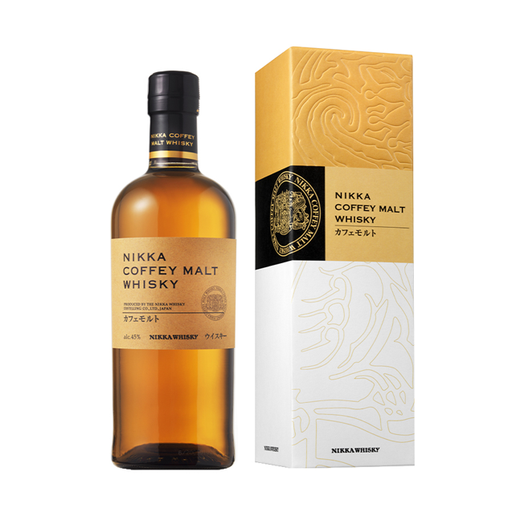
- Why it stands out: Its unique distillation method. This 100% malted barley whisky is distilled in a Coffey still, which is traditionally reserved for grain whiskies. The result? A particularly rich and creamy texture.
- Our tasting notes: The nose is bright with citrus and pear. The palate is rich, with notes of prune, raisin, and vanilla. Highly versatile, it can be enjoyed neat, on the rocks, or in a sophisticated cocktail.
- Who is it for?: Whisky lovers seeking a singular aromatic profile and a smooth texture. It's the perfect bridge between grain whiskies and single malts.
Hakutsuru - AWAYUKI Sparkling, Sparkling Sake
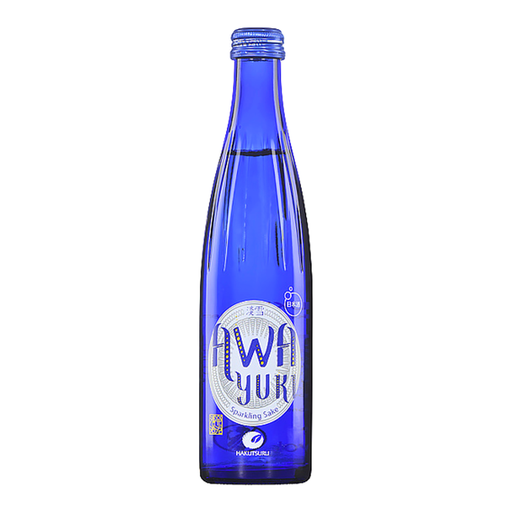
- Why it stands out: Its festive and highly approachable nature. This sparkling Japanese sake with a very low alcohol content (5.5%) is a light and original alternative to traditional sparkling wines.
- Our tasting notes: Very fruity and sweet, it charms with its fine bubbles and refreshing acidity. Its aromas of fruit, hazelnut, and vanilla make it an incredibly easy-to-drink beverage. Serve very chilled, of course.
- Who is it for?: Ideal for those new to the world of sake or anyone looking for a light and out-of-the-ordinary aperitif. Perfect for a summer evening or brunch.
OZEKI KANJYUKU UMESHU WITH PLUM
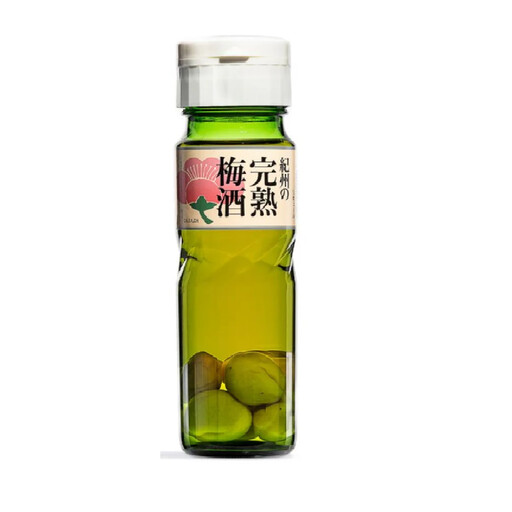
- Why it stands out: Its authenticity. This liqueur contains real whole plums that continue to macerate in the bottle, intensifying its flavour. This is traditional umeshu in all its glory.
- Our tasting notes: A perfect balance between the sweetness of the fruit and the invigorating acidity of the plum. With an alcohol content of 14.5%, it remains very approachable on the palate. Enjoy chilled, on the rocks, or with a splash of sparkling water.
- Who is it for?: Fans of sweet and fruity flavours, and curious drinkers who want to discover an iconic Japanese beverage. Excellent as an aperitif or with dessert.
NIKKA - Days, Japanese Blended Whisky
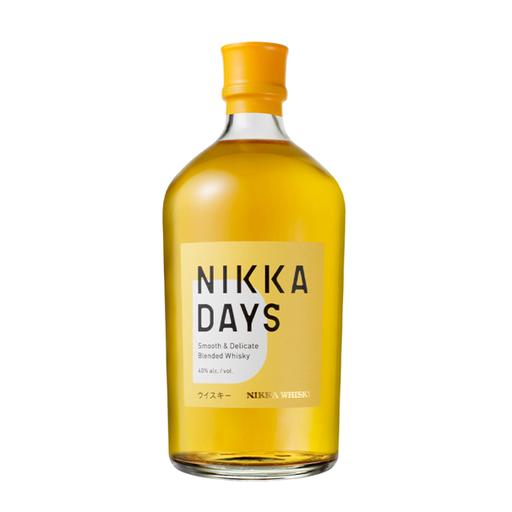
- Why it stands out: Its great versatility. Nikka Days is a blend of malt and grain whiskies, designed to be smooth, fruity, and easy to enjoy on any occasion.
- Our tasting notes: The nose is floral and fruity (pear, citrus), evolving into a malty and rich palate (caramel, vanilla). Its smoothness makes it an excellent base for cocktails, especially the Highball.
- Who is it for?: The ideal entry point for novices in Japanese whisky. It's also a reliable choice for everyday enjoyment or for getting started with mixology.
Eager to Explore Other Fruity Flavours?
Our selection is just a glimpse of the treasures Japan has to offer. If the sweet and fruity notes of umeshu or certain sakes have piqued your curiosity, know that the adventure is just beginning.
To discover other gems with similar profiles, feel free to explore our dedicated category.
Discover Our Selection of Fruity Wines
Japanese Spirits: Your Questions Answered
What is the difference between sake and shochu?
While both are traditional Japanese spirits, their production methods are completely different. Sake is a brewed beverage (like beer) made from fermented rice, with an alcohol content typically ranging from 14% to 16%. Shochu, on the other hand, is a distilled spirit (like vodka or gin) that can be made from various raw materials (sweet potato, barley, rice...). Its alcohol content is much higher, often between 25% and 35%.
How should I store an open bottle of a Japanese spirit?
For distilled spirits like Japanese whisky or umeshu, simply keep the bottle tightly sealed, upright, in a cool, dark place. In contrast, Japanese sake is much more fragile and sensitive to oxidation. Once opened, a bottle of sake must be kept in the refrigerator and should be consumed within a week to preserve its full aromatic profile.
Can you use Japanese whisky in cocktails?
Absolutely! While the most complex single malts deserve to be savoured neat, blended whiskies like Nikka Days are perfect for mixology. The most iconic cocktail is the Japanese Highball: a measure of whisky, plenty of ice, and chilled sparkling water. It's a simple and incredibly refreshing way to rediscover Japanese whisky.


