
Livraison le jour même ou le lendemain

Qualité garantie

Débloquez vos offres de bienvenue: Livraison GRATUITE | Jusqu'à -80 % | 30 jours d'essai gratuits à JoyPlus
Téléchargez l'application
Shoyu, tamari, full-sodium, low-sodium, with or without gluten... Standing in the soy sauce aisle, picking the right bottle can quickly become overwhelming. It's easy to feel lost among exotic labels and sometimes confusing ingredient lists.
Our mission: to help you make sense of it all. This guide is designed to help you decode the labels and choose the Japanese soy sauce that will truly elevate your dishes. Whether you're a maki pro or just looking for a flavorful Japanese seasoning, read on.
Before we dive into our top picks, here are the essential points to check to ensure you make the right choice.
Not all soy sauces are created equal, and most importantly, they aren't used in the same way. Two main types are widely available:
The secret to a great soy sauce? Natural fermentation and the shortest possible ingredient list. Ideally, it should only contain water, soybeans, wheat (except for tamari), and salt. Steer clear of products with added colorings, flavor enhancers, and other unnecessary sugars.
Fortunately, manufacturers have everyone in mind and offer alternatives for specific dietary needs.
To help you choose, we've selected three excellent products, each meeting a specific need. They are all available on Joybuy.fr.
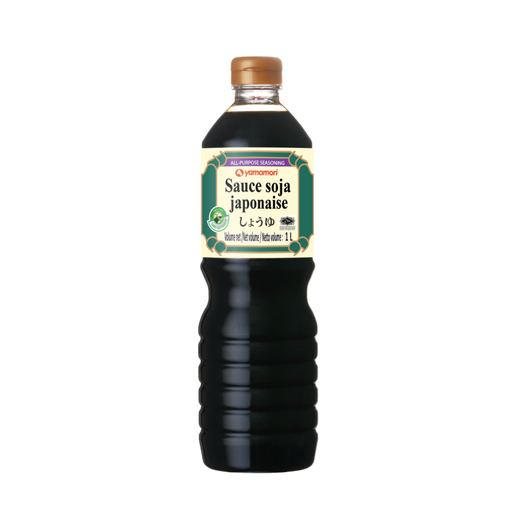
Why it stands out: This sauce embodies traditional Japanese craftsmanship. Brewed from a generous proportion of soybeans (19%) and wheat (11%), it benefits from a long, natural fermentation process. The result? A remarkably rich and complex umami flavor.
Pros:
Best for? Those seeking the authentic taste of a full-bodied sauce—the perfect foundation for diving into Japanese cooking.
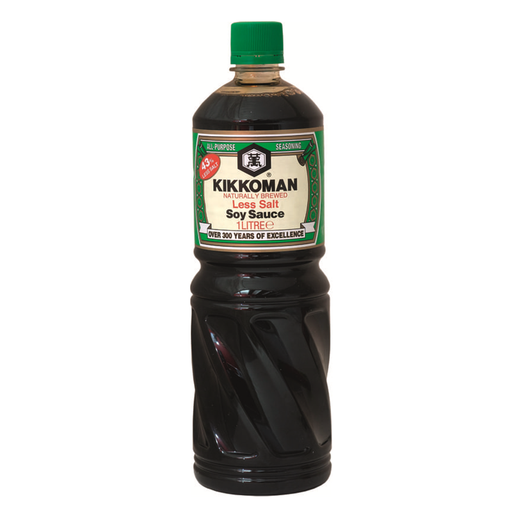
Why it stands out: Kikkoman is THE global benchmark. This low-sodium version perfectly meets the demand for less salty products without compromising on flavor. Thanks to a patented fermentation process, the salt content is reduced while preserving the rich aroma that made the brand famous.
Pros:
Best for? Ideal for those monitoring their salt intake or who prefer a more subtle seasoning without sacrificing the quality of an iconic brand.
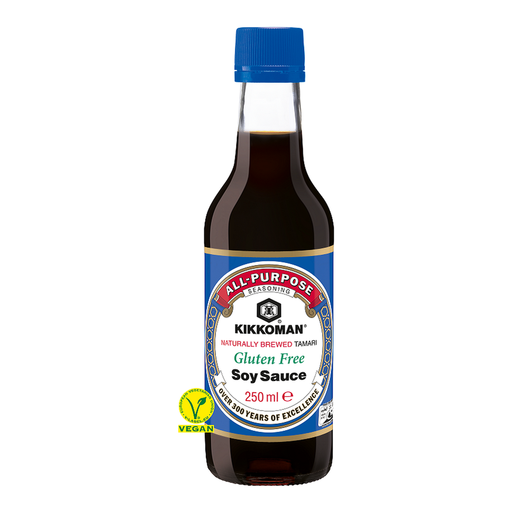
Why it stands out: This tamari sauce from Kikkoman is the perfect solution for a gluten-free diet. Naturally brewed without wheat (using only soybeans, water, salt, and a touch of spirit vinegar), it is certified gluten-free and therefore completely safe.
Pros:
Best for? A must-have for anyone on a gluten-free diet, as well as for foodies curious to discover the denser, smoother flavor of tamari.
Our selection highlights three key products, but the world of soy sauce is much broader. To explore other brands or find the perfect large format for your kitchen, our dedicated section is here for you.
Discover our full range of 1L soy sauces
1. Soy Sauce (Shoyu) vs. Tamari: What's the difference? It's all in the recipe! Classic soy sauce (shoyu) is brewed with soybeans and wheat, giving it a very balanced taste. Tamari sauce, on the other hand, is made almost exclusively from soybeans. As a result, it is naturally gluten-free, thicker, and has a deeper, more complex umami flavor.
2. How should I store soy sauce after opening it? To preserve all its flavors, the rule is simple: once opened, keep the bottle tightly sealed in the refrigerator, away from light.
3. Is soy sauce only for Asian cuisine? Not at all! Soy sauce is a universal flavor enhancer. This Japanese seasoning is perfect for marinating meats, brightening up roasted vegetables, giving a twist to a vinaigrette, or simply adding umami depth to your soups and stews.