
Livraison le jour même ou le lendemain

Qualité garantie

Débloquez vos offres de bienvenue: Livraison GRATUITE | Jusqu'à -80 % | 30 jours d'essai gratuits à JoyPlus
Téléchargez l'application
Japanese soda captivates with its original flavours, its instantly recognisable bottles, and its world of festivals, manga, and Japanese pop culture. But a pretty label isn't everything. Between small formats, glass bottles, and sometimes overly sweet recipes, certain options can disappoint once they're in your fridge.
This guide from the Joybuy Product Recommendation Officer helps you compare formats, ingredients, and uses before choosing a Japanese sparkling drink or an Asian soda.
Japanese ramune is typically sold in a 200 ml glass bottle, sealed with a marble in the neck. Opening it is fun, but the quantity is that of a single serving. This format is perfect for a tasting, a party, or a discovery set. It's less suitable if you're looking for a drink to keep for several days.
The marble must remain in the bottle, and opening should be done under adult supervision when children are present. The glass also requires extra care during transport and once the bottle is empty.
A Japanese soda marketed as mango, grape, peach, or kiwi doesn't necessarily contain a high amount of fruit juice. The taste may come mainly from flavourings, acidity regulators, and sugar. It's therefore better to check the ingredient list and nutritional table rather than relying solely on the fruit illustration.
People with allergies or sensitivities to certain components should also read the specific warnings carefully. The Asahi Calpis Soda Can 350 ml, for example, contains milk, soy, and aspartame, a source of phenylalanine.
A cheap Japanese soda per unit can end up costing more if the bottle is small or if delivery fees are added to the order. Compare the price per litre, the number of cans or bottles, and the best-before date. A pack of 24 cans doesn't serve the same purpose as an assortment of 200 ml bottles.
With marble bottles, avoid shaking the drink before opening. Serve it chilled, then refer to the label's instructions for storage conditions after opening.
Recipes can vary significantly from one product to another. As an indication, Hatakosen Watermelon Ramune shows 41 kcal and 10.2 g of sugar per 100 ml, according to the information provided. Sakura Ramune indicates 35 kcal and 8.7 g of sugar per 100 ml. This data allows you to compare flavours and recipes, without making the soda out to be a health drink.
Some products contain aspartame, acesulfame-K, or sucralose. Check the French or European label before consuming the drink, especially in case of allergy, intolerance, or sensitivity to phenylalanine.
Before confirming your order, ensure the essential information is available: net volume, ingredients, allergens, nutritional values, best-before date, storage conditions, and contact details of the responsible party established in the European Union where required.
Imported products may come with Japanese or English packaging. The information displayed on the product sheet and that on the label received should serve as a reference. A Japanese fizzy drink remains a soda: it should not be presented as a medicine or a product with therapeutic effects.
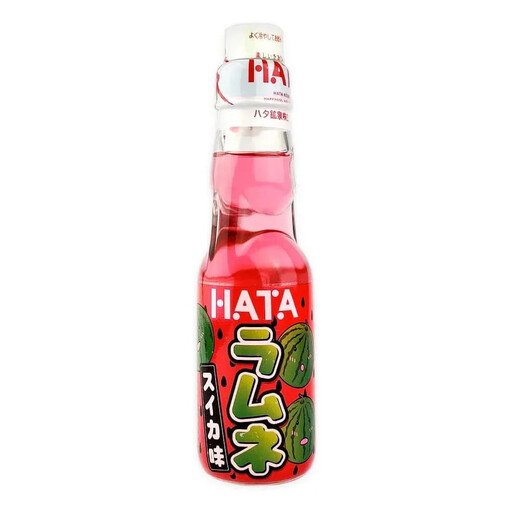
Why this choice fits this profile: Its individual format lets you discover the ramune ritual without immediately investing in a large pack.
The 200 ml volume is clearly stated: you won't risk comparing the price of a small bottle with that of a larger can.
Watermelon flavour, 200 ml bottle, 41 kcal and 10.2 g of sugar per 100 ml, according to the provided sheet.
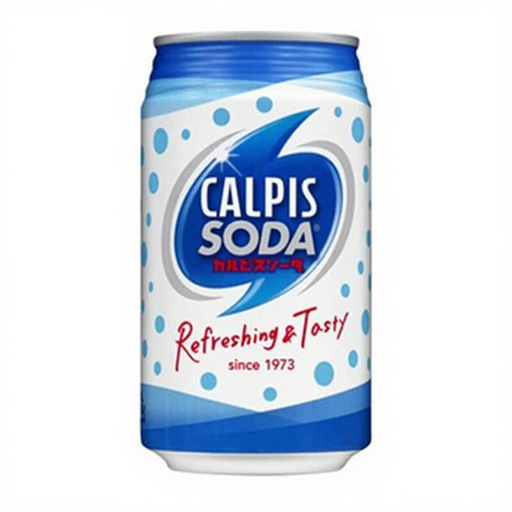
Why this choice fits this profile: Its recipe blends a milky sweetness with a tangy hint, offering a texture that differs from classic fruit sodas.
The sheet clearly mentions milk, soy, and aspartame: you can check these elements before placing your order.
350 ml can, 36 kcal and 8.7 g of sugar per 100 ml, according to the provided data.
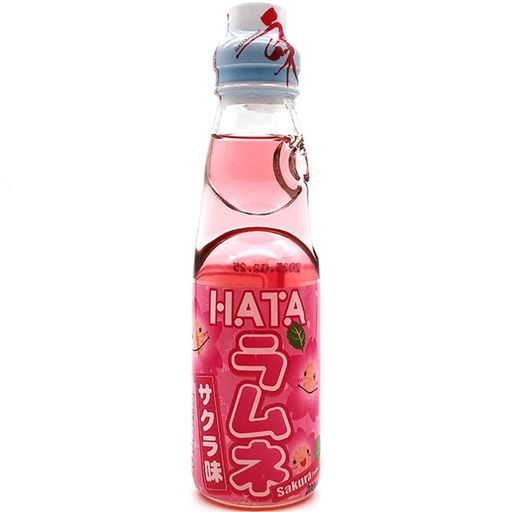
Why this choice fits this profile: Its cherry blossom-inspired design instantly adds character to a party table or a themed evening.
The format and the presence of the marble are stated without ambiguity; however, handle the glass bottle with care.
200 ml bottle, stated Japanese origin, original flavour, and 35 kcal per 100 ml, according to the sheet.
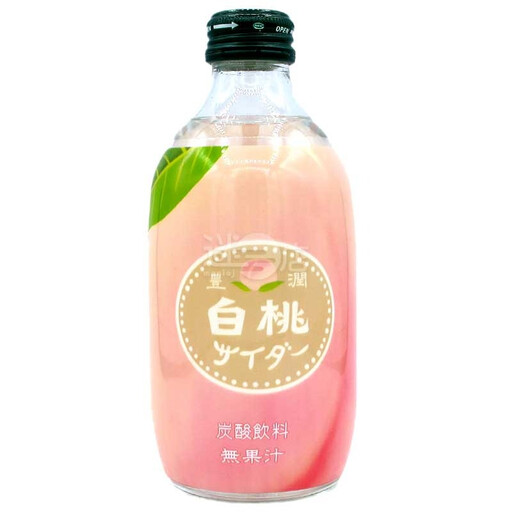
Why this choice fits this profile: With its white peach, this soda stands out from usual ramune flavours while keeping an easy-to-drink single-serving format.
The composition specifies it is a white peach flavouring: the flavour therefore doesn't imply a high juice content.
300 ml bottle, no declared allergens, 39 kcal and 8.9 g of sugar per 100 ml, according to the sheet.
We have compiled an updated selection of drinks meeting these criteria, with compliance information applicable in France.
It can be enjoyed well-chilled to enhance the sparkling sensation. Place the bottle in the refrigerator before opening and do not shake it. Once opened, follow the manufacturer's instructions and drink it promptly.
Before opening, respect the best-before date and storage conditions indicated on the packaging. After opening, a bottle or can should generally be placed in the refrigerator and consumed quickly to preserve its taste and fizz.
Compare the volume, price per litre, ingredients, allergens, packaging type, and information regarding the responsible party established in the European Union. This way, you can choose between a Hatakosen ramune, a Calpis Soda, a Japanese fruit soda, or a large-format Asian reference, without being guided solely by the bottle's look.