
Livraison le jour même ou le lendemain

Qualité garantie

Débloquez vos offres de bienvenue: Livraison GRATUITE | Jusqu'à -80 % | 30 jours d'essai gratuits à JoyPlus
Téléchargez l'application
Japanese snacks are loved for their individual portions, exotic flavours and original combinations such as matcha, yuzu or wasabi. But an attractive packet isn’t enough to make the right choice. With products simply inspired by Japan, those made elsewhere, and packets containing multiple servings, confusion can easily set in.
Before you fill your basket with Japanese cakes, Japanese biscuits or Japanese crackers, here are three pitfalls to avoid.
A product may borrow Japanese visual codes or feature a matcha flavour without having been made in Japan. The origin is usually stated on the product page or packaging. It varies from item to item: some biscuits are made in Japan, while other Japanese-style products come from China, Thailand or elsewhere.
This information alone doesn’t determine quality, but it does let you know exactly what you’re buying.
Snack, sauce and ready-meal recipes can contain wheat, soya, milk, eggs, fish, crustaceans or molluscs. Assorted crackers may also contain traces of peanuts, nuts or sesame.
Some products also contain colourings that carry a regulatory warning about activity and attention in children. So it’s best to check the ingredients list, especially for a treat intended for the whole family.
A 200 g or 330 g bag may represent several servings, whereas a 39 g or 49 g box is better suited to an individual break. Once opened, crispy products quickly lose their texture if not sealed airtight. Frozen takoyaki, meanwhile, must be kept at –18 °C or below and must never be refrozen after thawing.
For the office, studying or travelling, individual portions are the most practical: Pocky sticks, Picola rolled biscuits or chewy jellies. For aperitifs and sharing moments, Japanese crackers and mixes of peas, corn and broad beans are more suitable.
Prefer a soft texture? Go for a dorayaki, a castella-style cake or a filled tart. For a lighter break, seasoned seaweed or a muscat grape jelly might suit you better.
Always check the bold text on the label. Fuji crackers, for example, contain gluten and soya. The Sapporo mix contains mustard and may have traces of several allergens. Picola chocolate biscuits contain wheat, milk, eggs and soya.
Nutritional information also helps you compare products. Pocky matcha has 514 kcal per 100 g, compared with 368 kcal per 100 g for the Fuji mix. These figures obviously don’t replace your taste or habits, but they provide a useful benchmark.
For cooking, ingredients such as yuzu ponzu sauce, wasabi paste and dashi stock are more useful than a confectionery item. Otafuku yuzu sauce accompanies salads, grilled dishes and dipping sauces. Dashinomoto dissolves in hot water to prepare broths, soups or stewed dishes.
Also think about storage: dry products keep in a cool, dry place, while frozen items need an appropriate cold chain during delivery.
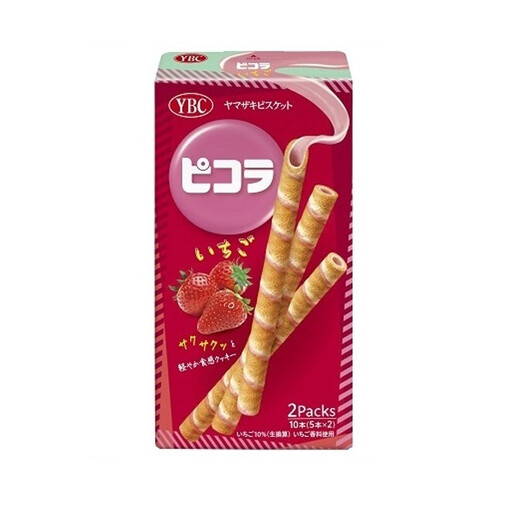
Why this choice suits this profile: At 49 g, this pack lets you discover a Japanese strawberry-filled biscuit without committing to a large assortment.
The clearly stated portion size reduces the risk of buying an unsuitable quantity. The product page also specifies the presence of wheat, milk, egg and soya.
A crispy biscuit with a creamy strawberry centre, easy to carry, with an origin stated as Japanese.
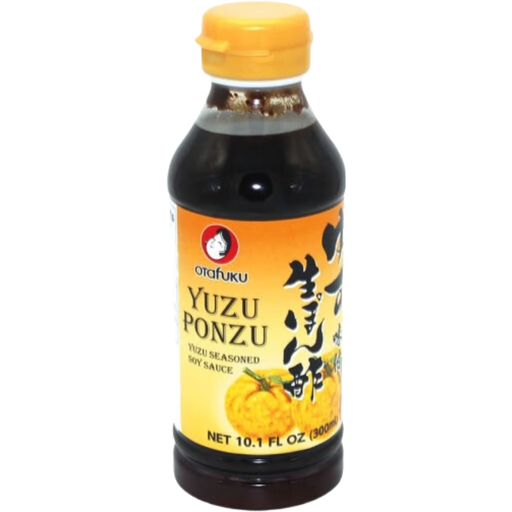
Why this choice suits this profile: This Japanese yuzu sauce enhances many recipes and is aimed at those looking for a versatile condiment rather than a simple snack.
The ingredients list mentions soya, wheat and a salt content of 7 g per 100 g, allowing you to better control your usage.
A 300 ml bottle combining soya sauce, yuzu juice and vinegar, to use with salads, grilled dishes or sashimi.
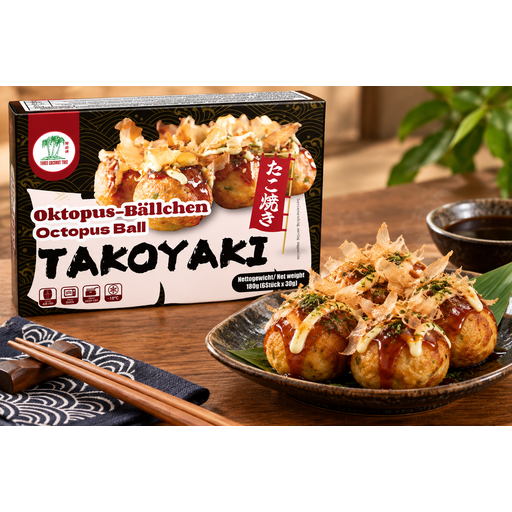
Why this choice suits this profile: Pre-cooked and frozen, these takoyaki are perfect for a quick meal, a night in with friends or a craving for homemade Japanese cuisine.
The weight, 10% octopus content, allergens and storage at –18 °C are all stated. This lets you plan ahead for storage and preparation.
A pre-cooked product, reheatable in the oven, pan or air fryer, made with a wheat batter, cabbage, egg and octopus.
We’ve put together a comprehensive, real-time updated list of products that meet these demanding selection criteria and European safety regulations.
Individual portions are ideal for beginners: Picola, Pocky, matcha biscuits, muscat grape jellies or small cakes. For savoury options, an assortment of crackers or seasoned seaweed lets you easily compare textures.
Keep them in a cool, dry place away from sunlight. After opening, seal the bag carefully or transfer the contents to an airtight container. Always respect the date on the packaging and the manufacturer’s instructions.
Yuzu ponzu sauce accompanies salads and grilled dishes, wasabi paste adds kick to sushi, and dashi stock serves as a base for soups and sauces. For a quick meal, Japanese ramen and frozen takoyaki let you get straight to the table, provided you take their allergens and salt content into account.