
Livraison le jour même ou le lendemain

Qualité garantie

Débloquez vos offres de bienvenue: Livraison GRATUITE | Jusqu'à -80 % | 30 jours d'essai gratuits à JoyPlus
Téléchargez l'application
Tired of the same old chips and peanuts for happy hour? Looking for a touch of originality to surprise your guests or simply for a change of pace? Japanese snack crackers are a true journey of flavor, offering a world of unique tastes and textures, from the most delicate to the most intense crunch.
But with so many mixes available, it can be hard to know where to start. This guide is here to help you decode the different options and choose the perfect Japanese snack mix for you, whether you're an umami enthusiast, a fan of spicy sensations, or prefer milder tastes.
To make the right choice, you only need to consider a few criteria. Here's our advice for navigating the jungle of Japanese snacks.
It all starts with the main ingredient. There are two main families:
The seasoning is what gives a Japanese cracker mix its unique character. The most common flavors include:
A good Japanese snack mix often juggles these flavors for a complete and balanced experience.
For a party, a Japanese cracker mix is an excellent idea. It offers such a variety of shapes, textures, and tastes that it's sure to please a crowd. For a solo tasting, you can opt for a specific type of cracker that matches your craving of the moment.
We've sifted through the market's top products to bring you a selection that highlights different flavor and texture profiles.
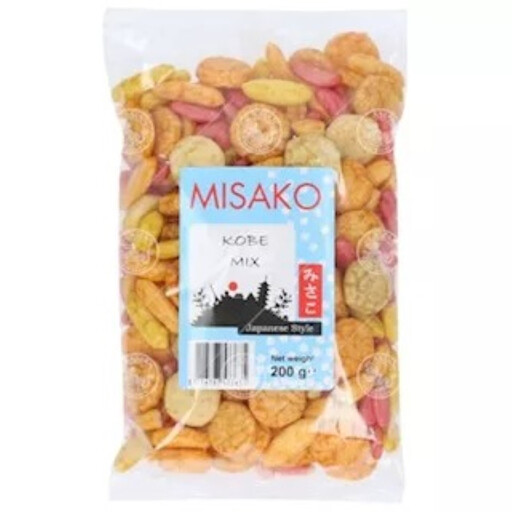
What sets it apart: A mix that's off the beaten path with its bold and complex flavor profile. Made with a base of rice (69%), it's seasoned with a cocktail of soy sauce, curry powder, tomato, and a hint of chili.
Highlights:
Who is it for? For those who love bold flavors and a bit of a kick. It's perfect for anyone who finds traditional savory crackers a bit bland and is looking for a more intense experience.
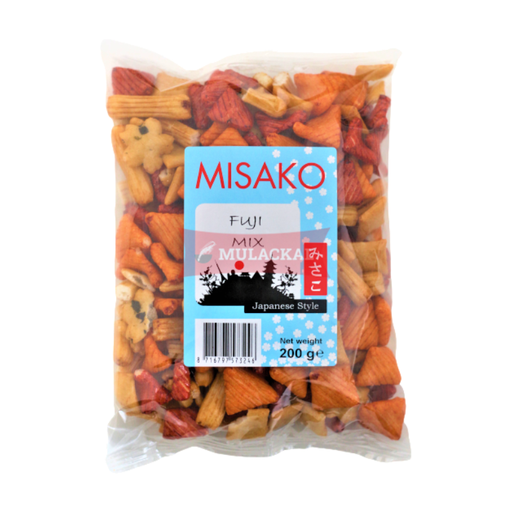
What sets it apart: The Fuji Mix is the archetype of the classic Japanese rice cracker. Composed of 91% glutinous rice, it relies on the perfect balance of soy sauce, sugar, and seaweed for a result that's rich in umami.
Highlights:
Who is it for? Ideal for purists and those new to Japanese crackers. Its accessible taste and crispy texture make it a safe bet. Warning: This product contains the colorant E124, which may have an adverse effect on activity and attention in children.
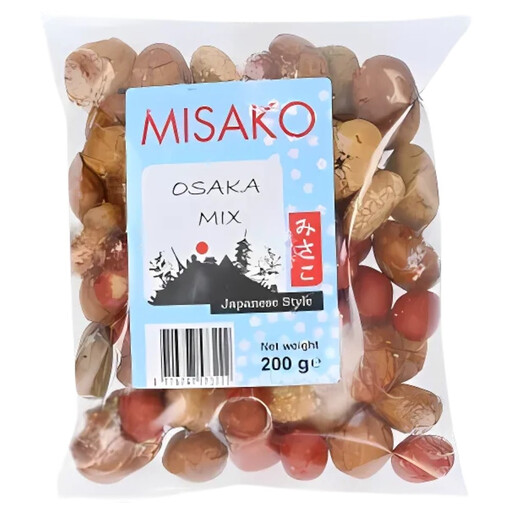
What sets it apart: Unlike the other mixes in our selection, this one is made with wheat flour. It offers a texture closer to a dry biscuit, enriched with sesame seeds and seaweed.
Highlights:
Who is it for? This mix will appeal to those who enjoy the crumbly texture of wheat-based biscuits but want to experience the typical flavors of Japan. An excellent compromise between two snacking cultures.
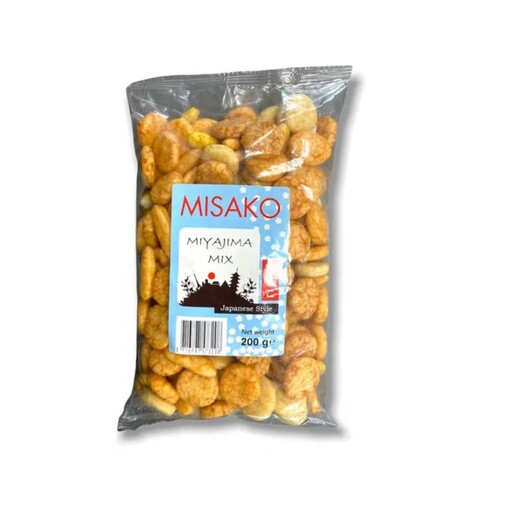
What sets it apart: The Miyajima Mix is the Swiss Army knife of Japanese snack mixes. It combines rice, wheat, and sesame crackers for an incredible diversity of textures and tastes in a single bag.
Highlights:
Who is it for? This is the ideal option for the indecisive or for those hosting a party. This mix ensures every guest will find a cracker they love, from the crunchiest to the most crumbly.
Our selection focuses on the most popular mixes, but the world of Japanese snacks is nearly infinite. To explore other types of appetizer crackers, both savory and sweet, feel free to browse our complete category. You'll find plenty to satisfy all your gourmet curiosities.
Discover All Our Savory and Sweet Snacks
The two stars are senbei and arare. Senbei are large (non-glutinous) rice crackers, often round and grilled. Arare are smaller, made from glutinous rice, and come in a multitude of shapes (balls, cubes...). They form the base of most mixes.
They are best enjoyed as is, simply to accompany a drink. Their flavor is often so complex that they don't need any dip. They are perfect for an appetizer, as a snack in front of a movie, or even to add crunch to a salad.
Their nutritional profile varies greatly depending on the ingredients and cooking method. Versions made from rice and baked (rather than fried) are often seen as a more interesting alternative to potato chips. To make the right choice, the best practice is always to check the ingredient list and nutritional values on the packaging.