
Livraison le jour même ou le lendemain

Qualité garantie

Débloquez vos offres de bienvenue: Livraison GRATUITE | Jusqu'à -80 % | 30 jours d'essai gratuits à JoyPlus
Téléchargez l'application
Dreaming of recreating the comforting taste of a steaming bowl of ramen or the delicate flavour of an udon noodle broth at home? You've come to the right place. Navigating the world of Japanese seasonings can be daunting with its array of bottles and packets with evocative names: dashi, tsuyu, shirodashi... How do you know which one is right for your recipe and your needs?
Our mission? To help you make sense of it all. This guide will demystify these essential condiments and give you the keys to choosing the most suitable one. The goal: to transform your cooking into a true culinary journey, hassle-free.
Before we dive into our top picks, here are the key criteria for making the right choice and mastering your homemade Japanese cuisine every time.
These three names come up constantly, but be careful, they are not interchangeable at all.
Japanese seasonings come in various forms, each with its own advantages:
Traditional dashi broth contains fish (bonito). If you are vegetarian or vegan, be sure to check the ingredients list. Fortunately, there are excellent plant-based alternatives, particularly those made from shiitake mushrooms and kombu seaweed, which deliver an equally deep and complex umami.
Here are our top picks, which cater to different needs, whether you're a novice in Japanese cooking or already an expert.
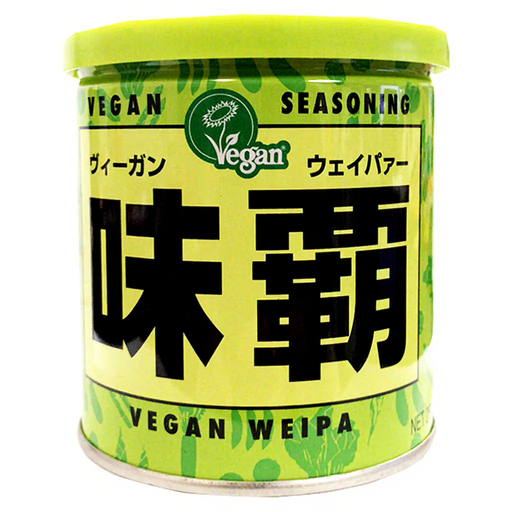
Why we chose it
Weipa is an institution in Japan: a cult-favourite paste condiment, traditionally made with pork and chicken. This 100% plant-based version from Kouki Shoko is a small revolution. It successfully recreates a stunningly deep umami thanks to a clever blend of vegetables, shiitake mushrooms, and spices. A true all-rounder in the kitchen.
The pros
Who is it for?
The ideal choice for vegans, but also for anyone curious to try a unique and versatile ramen seasoning that can enhance much more than just soups.
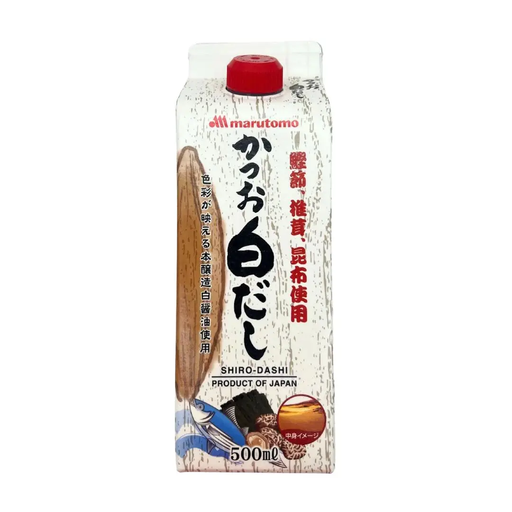
Why we chose it
This shirodashi from Marutomo is a liquid concentrate with an authentic and refined flavour. Its secret? A perfect balance of light soy sauce, bonito, fish, and kombu extracts. The result is a delicate umami that has the huge advantage of not colouring your food.
The pros
Who is it for?
For cooks who value subtlety and presentation. It's the secret ingredient for delicate dishes like clear soups, Japanese custards (chawanmushi), or for glazing vegetables.
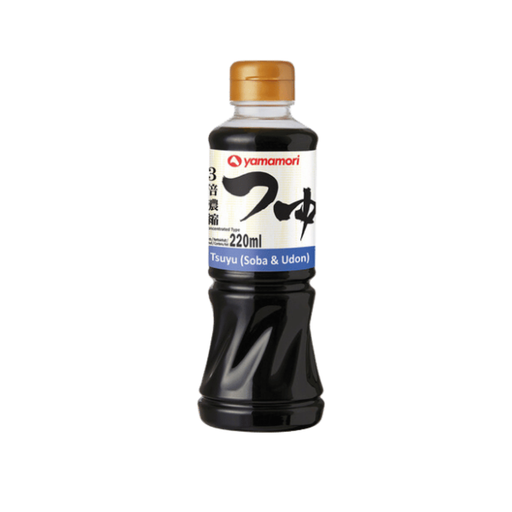
Why we chose it
Yamamori's tsuyu sauce is the easy solution (in the best way!) for all fans of Japanese noodles. This concentrated base is designed to perfectly recreate the savoury broth for soba and udon, whether enjoyed hot or cold.
The pros
Who is it for?
Perfect for beginners in Japanese cooking and for anyone who wants to prepare an authentic noodle dish in minutes, without any hassle.
Our selection is an excellent starting point, but the world of Japanese condiments is an infinite playground. For a specific flavour, a different format, or simply out of curiosity, feel free to explore our entire range.
Discover all our seasonings for Japanese cuisine
1. What's the difference between dashi and tsuyu?
To put it simply: dashi is the raw, unseasoned broth that provides the source of umami. Tsuyu, on the other hand, is a complete sauce that starts with a dashi base and adds soy sauce, mirin, and sugar. It is therefore an already seasoned and concentrated soup base, ready to be diluted.
2. How do I use shirodashi?
Shirodashi is a true kitchen all-rounder. Dilute it with water to create a clear Japanese soup base (for udon, a stew...). A few drops are enough to enhance a vinaigrette, a Japanese omelette (tamagoyaki), or plain white rice. The golden rule: always start with a small amount and adjust to taste.
3. Can a vegetarian ramen broth be truly flavourful?
Absolutely! The secret is to build a complex umami without any animal products. To do this, your best allies are dried shiitake mushrooms, kombu seaweed, garlic, ginger, or even caramelised onions. And for a quick fix, a plant-based seasoning paste like Weipa Vegan is incredibly effective for achieving a rich and deep ramen seasoning in an instant.