
Livraison le jour même ou le lendemain

Qualité garantie

Débloquez vos offres de bienvenue: Livraison GRATUITE | Jusqu'à -80 % | 30 jours d'essai gratuits à JoyPlus
Téléchargez l'application
Japanese sake is much more than an alcoholic drink served warm in a small glass. Depending on its category, alcohol content, production method and serving temperature, it can be light, fruity, dry, woody or rich in umami.
To choose a bottle without being swayed by a simple label, it is worth checking a few essential points. Categories, alcohol content, format, storage and serving temperature: here are the pitfalls to avoid, the criteria to consider and the options suited to different preferences.
The word ‘sake’ is sometimes incorrectly used to describe all kinds of Japanese drinks. Nihonshu is a fermented drink made from rice, water, yeast and koji. Umeshu is a Japanese plum liqueur, usually sweeter and fruitier. Shōchū, on the other hand, is a spirit produced by distillation.
This difference completely changes the flavour profile and possible pairings. Sake goes particularly well with sushi, fish, seafood and dishes rich in umami. Umeshu is better suited to an aperitif, dessert or serving over ice.
The term ‘premium sake’ does not tell you enough about the taste or how easy it is to enjoy. Instead, look at the category, style, alcohol content, volume and serving recommendations. For a first taste, a 300 ml bottle may be far more practical than a larger format, even if its price per litre is higher.
Not all sake should be served in the same way. Some are best enjoyed chilled, while others are better at room temperature or slightly warmed. Sparkling sake is generally best served well chilled, whereas a more structured Junmai can be enjoyed at several temperatures. The brewery’s recommendations are a good starting point for getting the most from its aromas.
Junmai sake is traditionally made solely from rice, water, koji and yeast, without the addition of brewing alcohol. It often has a fuller texture, with notes of cereals, rice and umami.
Junmai Ginjo sake is made using more highly polished rice. It generally has a more delicate, aromatic profile, sometimes with notes of fruit, flowers or spices. However, the result varies according to the brewery and recipe.
With its bubbles, sparkling sake is an easy introduction for fans of champagne, prosecco and other sparkling drinks. Umeshu, meanwhile, offers a delicious balance between the sweetness and acidity of plum.
Japanese sake often has an alcohol content of around 15%, although some options are less alcoholic, while others have a slightly higher strength. Yuji, for example, has an alcohol content of 7.3%, compared with 15.5% for Hakkaisan Tokubetsu Honjozo. Alcohol content alone cannot predict aromatic intensity, but it can help you choose a bottle suited to the way you like to drink.
For trying something new or enjoying a tasting for two, a 300 to 500 ml format reduces the risk of leaving a bottle open for too long. Bottles holding 70 to 75 cl are better suited to a meal or a table of several guests.
Store your bottle in a cool, dry place away from light. Once opened, seal it carefully and follow the instructions on the label. Some products should be refrigerated after opening and consumed quickly.
To accompany your dishes, you can generally serve:
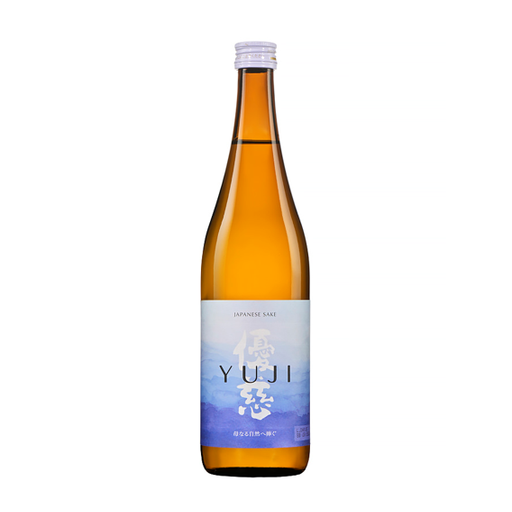
Why this choice suits this profile : With just 7.3% alcohol and a 72 cl format, this product offers a particularly approachable introduction to sake.
Its clearly stated alcohol content helps you avoid starting with a bottle that is too full-bodied. The recommended serving temperature is between 6 and 12 °C.
Notes of acacia honey and green apple are highlighted. For pairings, this bottle goes well with gravlax, mussels and young Gouda.
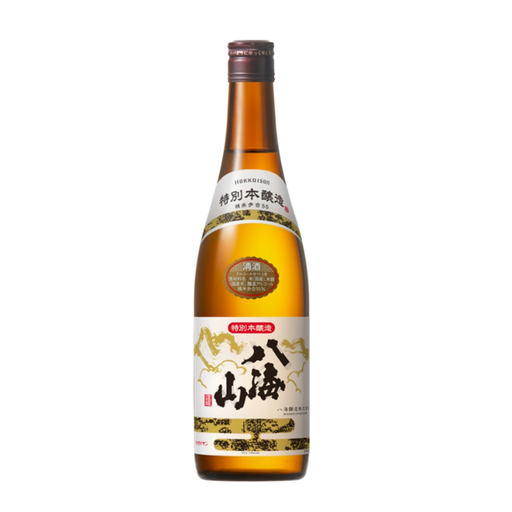
Why this choice suits this profile : With its 72 cl capacity and 15.5% alcohol content, this bottle is ideal for a complete Japanese meal or sharing with several guests.
The product details specify the Tokubetsu Honjozo style, its origin in Niigata and the different possible serving temperatures.
A profile described as light and balanced, with notes of cereals and fresh rice, plus a subtle touch of umami. It pairs well with sushi, grilled fish and tempura.
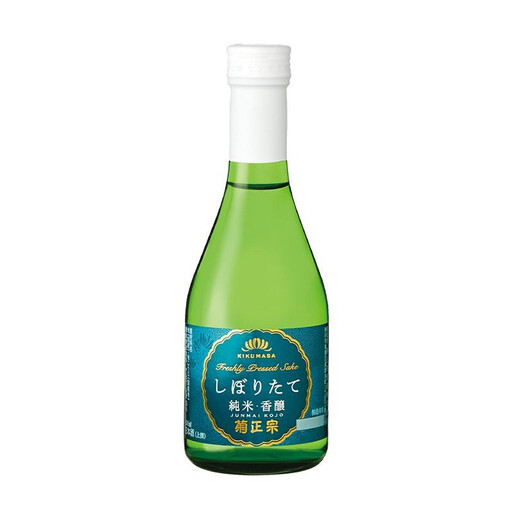
Why this choice suits this profile : With its 300 ml capacity, this bottle is ideal for a focused tasting, particularly with a Japanese menu or for comparing several styles.
The 15% alcohol content and storage instructions are clearly stated. After opening, the bottle should be refrigerated and consumed quickly.
The Junmai Kojo style is described as fresh, lively and generous, with a clean finish.
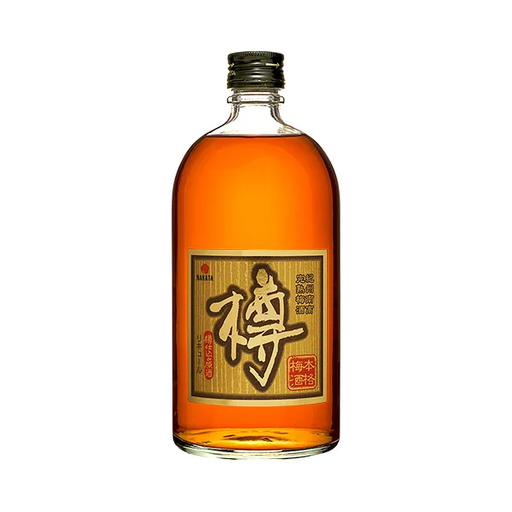
Why this choice suits this profile : This 20% Japanese plum liqueur is made for a smooth, refreshing serve over ice or in a cocktail.
The description clearly distinguishes umeshu from sake and explains its composition, as well as the different ways to serve it.
A year of ageing in a barrel, with stated notes of plum and woody nuances.
We have brought together a complete, real-time updated selection of products that meet these demanding criteria, as well as European safety requirements.
A chilled, well-balanced sake generally pairs very well with sushi and raw fish. Hakkaisan Tokubetsu Honjozo is specifically recommended with sushi and grilled fish. For a lighter, sparkling option, Hakutsuru Awa Yuki sparkling sake, with an alcohol content of 5.5%, is best served well chilled with light appetisers.
Junmai focuses on the rice and may offer a fuller texture on the palate. Junmai Ginjo is made with more highly polished rice and often has a more aromatic profile. Bijito Junmai Ginjo, for example, is described as offering notes of plum, spices, coriander and liquorice.
It depends on the product, how fresh it is and the instructions on the label. After opening, seal the bottle carefully, refrigerate it when recommended and consume it quickly. Alcoholic drinks are for adults only. Drink responsibly: alcohol is not recommended during pregnancy, and you must not drive after drinking.