
Livraison le jour même ou le lendemain

Qualité garantie

Débloquez vos offres de bienvenue: Livraison GRATUITE | Jusqu'à -80 % | 30 jours d'essai gratuits à JoyPlus
Téléchargez l'application
Buying Japanese sake and umeshu online gives you access to a wide variety of styles, but the labels are not always very informative. Rice sake, Japanese plum liqueur, shochu and cooking sake are suited to different uses and preferences.
Two mistakes are particularly common. The first is relying solely on the word “premium” or the look of the bottle without checking the alcohol content, volume or flavour profile. The second is confusing umeshu, which is generally sweet and fruity, with traditional sake, made by fermenting rice. Finally, the term “sake” can sometimes refer to a drink that is not Japanese, such as the Chinese Pagoda product included in some selections.
Here are the criteria to consider before buying, along with a selection of bottles suited to different preferences.
Sake, also known as nihonshu, is a fermented drink made from rice, water, yeast and koji. Its alcohol content is generally between 12 and 16% vol., although some products have a lower or higher strength.
Sparkling sake is another category. It is generally lower in alcohol and best served well chilled as an aperitif.
Umeshu is a liqueur made from ume plums. It is generally sweet, fruity and slightly tart. Enjoy it chilled, over ice or topped up with sparkling water. Its alcohol content can vary considerably: around 9% for Fu-Ki Plum Sake, 14.5% for Ozeki Kanjyuku Umeshu and 20% for Nakata Umeshu Barrel Aged.
However, it is worth checking the ingredients carefully. Choya Umeshu Silver Red 500 ml is described as a blend of red wine and ume juice, produced in Germany, with 10% vol. It is therefore not exactly a traditional Japanese umeshu.
Shochu is a distilled drink and is generally stronger than sake. Kurokirishima, for example, has an alcohol content of 25% vol. and is made from sweet potato and water. It can be enjoyed neat, over ice or topped up.
Alcohol content directly affects the mouthfeel and how the drink should be served. For a first taste, a bottle at 12.5% or 14.5% vol. will often be easier to enjoy with a meal. Smaller 300 ml formats, such as Sayuri Nigori Junmai or HAKUTSURU Awa Yuki, reduce the risk of buying a large bottle that does not suit your tastes.
By contrast, a 70 to 75 cl bottle is better suited to a meal shared with several people. Also remember to check the units of alcohol shown on the label or product page, particularly for spirits and liqueurs.
Do not focus solely on the origin or brand. Look for specific information about the bottle’s profile:
Serving temperature is also important. Ginjo sake is often enjoyed chilled or at room temperature, while some products can also be served slightly warmed. The producer’s recommendations are the best place to start.
Take the time to read the ingredients list and allergen information. Some products contain sulphites, particularly wine-based drinks. J.B JAPON cooking sake contains salt and has an alcohol content of 15% vol.: it is intended for marinades, sauces and stocks, not for conventional tasting.
After opening, many sakes should be stored in the fridge and consumed quickly. An opened bottle does not keep in the same way as a bottle of spirits. Reseal it carefully, keep it away from light and heat, then follow the instructions on the packaging.
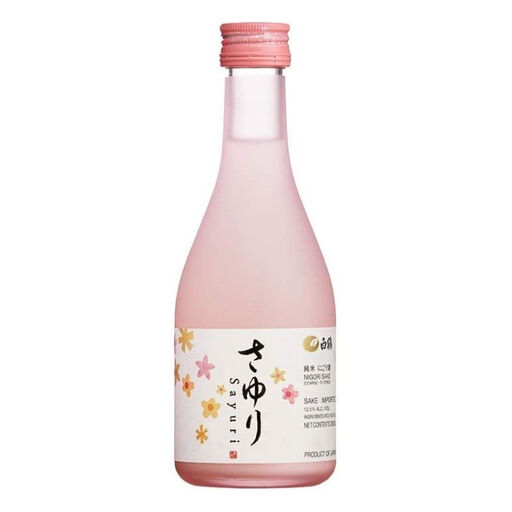
Why this choice suits this profile : Its 300 ml format lets you discover nigori sake without investing in a large bottle. Its cloudy texture and advertised sweetness should appeal to anyone who enjoys smooth, easy-drinking beverages.
The 12.5 % vol. alcohol content and volume are clearly stated, so you can compare the bottle before buying rather than judging it by its appearance.
Unfiltered junmai sake, 300 ml, 12.5 % vol. Gently shake before serving and store in the fridge after opening.
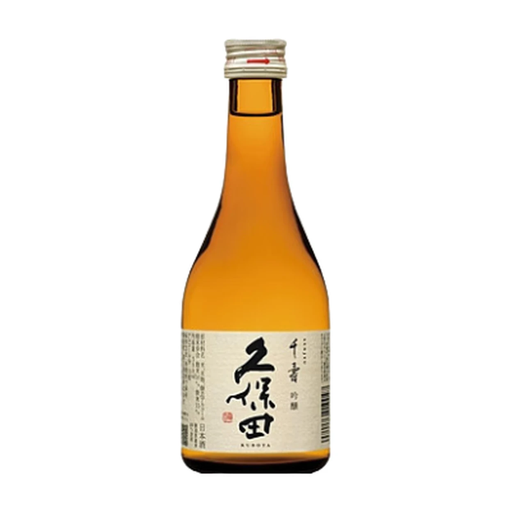
Why this choice suits this profile : This 300 ml Japanese product has an alcohol content of 15.6 % vol. and offers a ginjo style described as delicate, clear and precise. It is equally suitable for attentive tasting or enjoying with a Japanese meal.
The category, country of origin, volume and alcohol content are clearly stated. The smaller format also lets you find out whether ginjo suits your tastes before moving on to a larger bottle.
Origin: Japan; ginjo style; 300 ml and 15.6 % vol. Serve chilled or at the temperature that best suits your preferences.
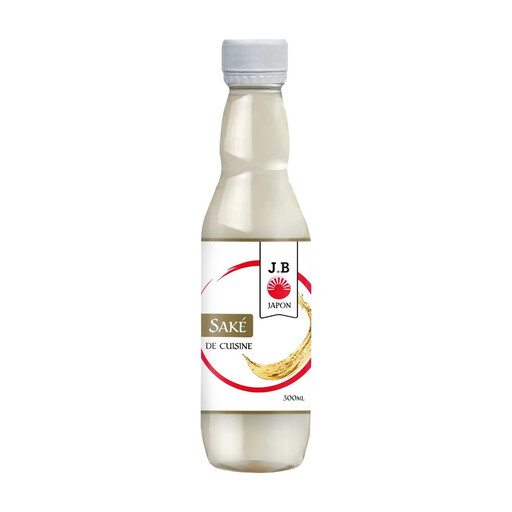
Why this choice suits this profile : Designed for marinades, sauces, soups and stocks, this cooking sake meets a specific need in everyday Japanese cooking.
The “Cooking Sake” label makes it clear that this is not a bottle intended for drinking. Its salt content of 2.3 g per 100 ml should be factored into your seasoning calculations.
300 ml format, stated halal certification, no declared allergens and recommended storage for one month after opening.
We have put together a complete, real-time updated list of products that meet these demanding selection criteria and European safety regulations.
Light, chilled sake is an excellent match for sushi, seafood, grilled fish and tempura. A fuller-bodied junmai can stand up to umami-rich dishes such as ramen or grilled meats. Umeshu adds a fruity touch to a lightly sweet dessert, blue cheese or a spicy dish.
Sparkling sake, such as HAKUTSURU Awa Yuki at 5.5% vol., should be served well chilled as an aperitif. For a fruity option, Fu-Ki Yuzu at 10% vol. can be enjoyed over ice or topped up with sparkling water.
Both are possible, depending on the style and the producer’s recommendations. Ginjo and sparkling sakes are generally served chilled. Some junmai or honjozo products can be enjoyed at room temperature or slightly warmed.
Reseal it carefully and place it in the fridge if recommended on the label. Shelf life depends on the product: some sakes should be consumed quickly, while Choya Sake recommends drinking it within 30 days of opening. Always check the instructions on the packaging.
Sake is a fermented drink made from rice. Umeshu is a liqueur made from ume plums and is generally sweeter and fruitier. The alcohol content, texture and serving occasions can therefore be very different. These drinks are intended for adults aged 18 and over and should be consumed responsibly.