
Livraison le jour même ou le lendemain

Qualité garantie

Débloquez vos offres de bienvenue: Livraison GRATUITE | Jusqu'à -80 % | 30 jours d'essai gratuits à JoyPlus
Téléchargez l'application
The world of Japanese sake can seem intimidating at first. Between the technical jargon (Junmai, Honjozo, Daiginjo) and an endless spectrum of flavours, it's easy to feel a little lost. Should you opt for a traditional sake, a sparkling sake for an apéritif, or a milder bottle for a first tasting?
This guide is designed to give you the keys. Our mission: to provide you with clear, practical reference points to help you buy sake online with confidence. Whether you're a curious newcomer or a seasoned enthusiast, you'll find everything you need to discover the ideal bottle for your tastes and for any occasion.
Even before you start deciphering labels, a few simple questions can guide you. The goal isn't to make you an expert in five minutes, but to help you find the bottle that will bring you the most enjoyment.
The moment you plan to enjoy it is an excellent starting point.
Without getting into overly technical details, knowing these two main categories will help you decipher labels:
Sake is not simply a "strong alcohol." Its aromatic palette is as vast as that of wine. You can find notes of fruit (apple, pear, lychee), flowers, grains, or even milky and mineral touches. If you're looking for a sake for beginners, don't hesitate to start with profiles described as "fruity," "sweet," or "light."
To help you see more clearly, here is a selection of four sakes with distinctly different profiles, each suited to a particular desire or occasion.
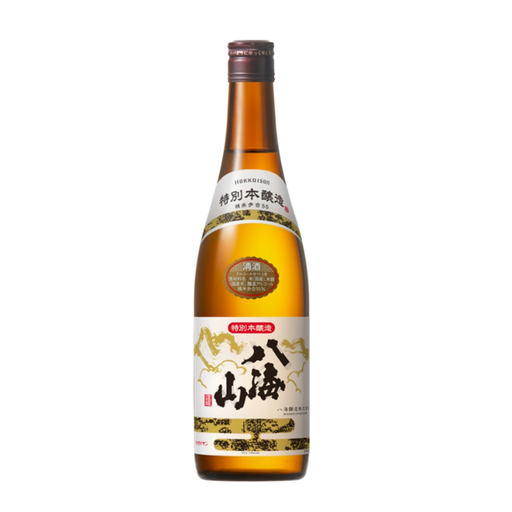
Why it stands out: This sake is an iconic ambassador of the style from the Niigata region, renowned for its exceptionally pure sakes. Its clean, light, and harmonious profile makes it an excellent gateway to traditional premium sake.
Highlights:
Who is it for? For those seeking an authentic and refined traditional sake experience, perfect for accompanying a Japanese meal (sushi, grilled fish, tempura).
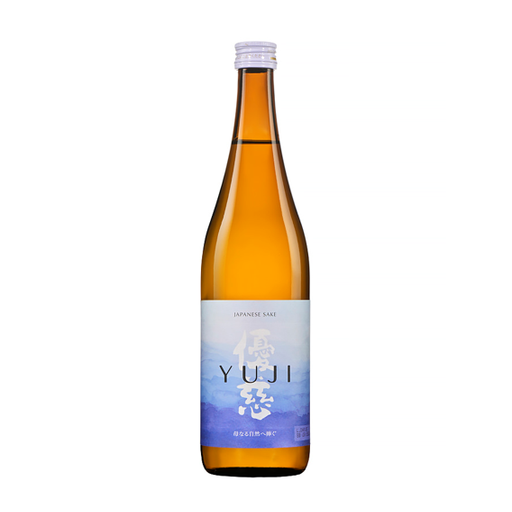
Why it stands out: With its low alcohol content and modern flavour profile, this Junmai sake was designed for the Western palate. It's the ideal gateway for newcomers.
Highlights:
Who is it for? The quintessential sake for beginners, or for anyone who enjoys light, sweet, and aromatic drinks as an apéritif.
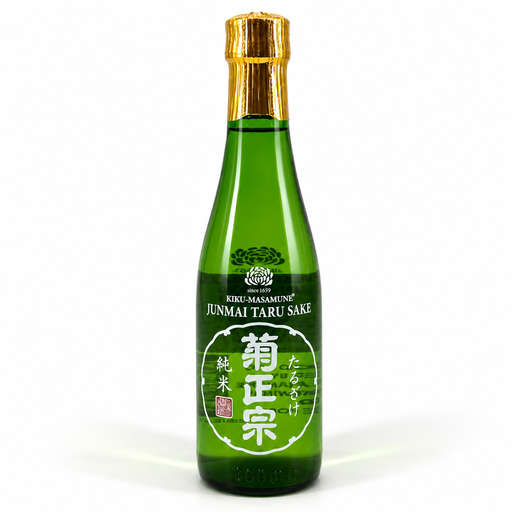
Why it stands out: Its ageing in Yoshino cedar casks gives it a unique character. This traditional "Taru Sake" offers a distinct tasting experience, with woody and refreshing notes that clearly set it apart from other sakes.
Highlights:
Who is it for? For the curious and for enthusiasts who wish to explore a less conventional sake profile with an assertive character.
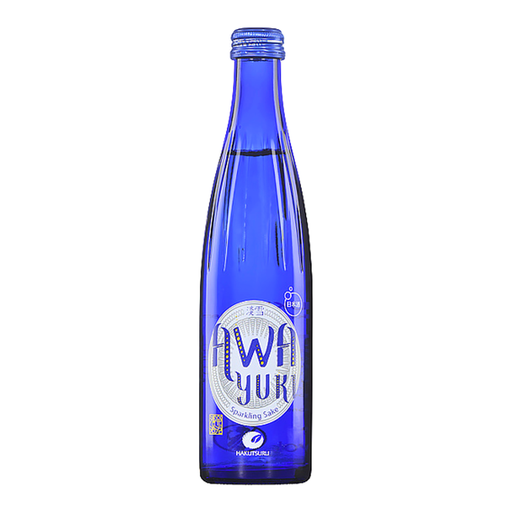
Why it stands out: Very low in alcohol, this sparkling sake is a festive and modern alternative. Its fine bubbles and fruity aromas make it a perfect choice for an apéritif sake that is out of the ordinary.
Highlights:
Who is it for? For those looking for an original drink for an apéritif or to celebrate an occasion, as an alternative to a classic sparkling wine.
Our selection is just a glimpse of the treasures the world of sake holds. To explore other profiles, such as aged vintages, ultra-premium Daiginjos, or different formats, feel free to browse our complete collection.
Discover Our Entire Range of Japanese Rice Wine
Once the bottle is opened, keep it tightly sealed in the refrigerator. To best preserve its aromas, it's best to consume it within one to two weeks of opening. After this period, it won't spoil, but it will gradually lose its aromatic complexity.
This is a very persistent myth! In reality, most high-quality sakes (like Ginjo and Daiginjo) are best enjoyed chilled (between 8 and 15°C) to appreciate their full delicacy. Some more robust sakes, like certain Junmai or Honjozo, can be delicious when gently warmed (around 40°C), especially in winter. It's ultimately a matter of personal taste and the type of sake.
The difference lies in the ingredients. A Junmai sake is called "pure rice" because it is brewed using only water, rice, yeast, and kōji. A Honjozo sake contains these same ingredients, with the addition of a very small amount of distilled alcohol at the end of fermentation. The purpose is not to increase the alcohol level, but rather to lighten the taste and bring out more subtle and floral aromas.