Want to buy Japanese sake online, but terms like Junmai, Ginjo, or Nigori leave you feeling perplexed? Choosing a bottle can quickly become overwhelming when faced with such a rich selection. However, this Japanese rice alcohol is much more than a simple drink: it's a whole universe of flavours to discover.
As a product selection expert at Joybuy, my role is to give you the keys to making the right choice. This guide will help you decode the labels, understand the nuances of taste, and find the bottle that will meet your expectations, whether it's to accompany a meal, for a tasting, or as a gift.
How to Choose Japanese Sake
Before we dive into our selection, here are the key things to look for.
1. Understanding the Main Types of Sake
The classification of sake primarily depends on two criteria: the rice polishing ratio and whether or not distilled alcohol has been added.
- Junmai Sake: Literally "pure rice," this sake is made only from water, rice, yeast, and kōji (a mould that converts starch into sugar). No alcohol is added. Junmai sake often offers a rich taste, with a beautiful umami body and notes of cereal.
- Ginjo Sake: For this category, the rice is polished so finely that only 60% (or less) of the grain remains. The result: finer, more elegant aromas, often fruity or floral. A Ginjo sake can be Junmai (no added alcohol) or not.
- Nigori Sake: This is an unfiltered or coarsely filtered sake, which retains suspended rice particles. Its texture is milky and creamy, with a generally sweeter taste profile. Nigori sake is an excellent entry point for those new to this world.
2. Dry Sake vs. Sweet Sake: A Matter of Taste
A sake's profile can range from very dry (dry sake) to very sweet (sweet sake). This information is sometimes indicated by a scale called Nihonshu-do or SMV (Sake Meter Value) on the label, but this is optional.
- Dry Profile (Karakuchi): Often crisp, clean, and mineral. It pairs wonderfully with salty or savoury dishes.
- Sweet Profile (Amakuchi): Rounder on the palate, with more pronounced fruity or lactic aromas. It can be enjoyed as an aperitif or with lightly spiced dishes.
3. The Importance of Food and Sake Pairing
One of sake's greatest strengths is its versatility at the dinner table. Forget the cliché of hot sake served only with sushi! A good food and sake pairing can truly elevate your meal.
- Sake for sushi and sashimi: A clean and elegant Junmai Ginjo type sake complements the delicacy of raw fish without ever overpowering it.
- With stews or meats: A more robust and umami-rich Junmai will work wonders.
- With cheeses or desserts: A sweet sake or a creamy Nigori sake will create surprising and delicious pairings.
Our Selection of Japanese Sakes
Here is our selection of bottles, chosen for their quality and accessibility.
Hakutsuru Sake 14.5% 720ml
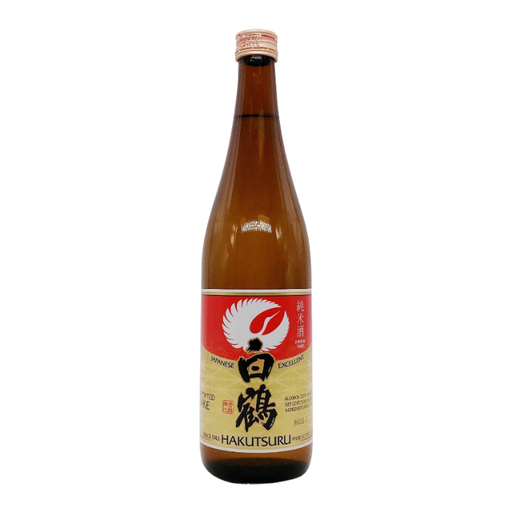
- What makes it special: A true classic! This Junmai sake shines with its versatility. It can be enjoyed chilled, where it reveals its lightness, or warm, for a rounder, more comforting profile.
- Highlights:
- A balanced profile, perfect for beginners.
- Unbeatable value for money to get started.
- Very versatile, it pairs with many dishes (chicken teriyaki, tempura...).
- Who is it for?: This is the perfect bottle for beginners looking for a reliable choice, or for enthusiasts who want an all-rounder sake that's as good for sipping as it is for cooking.
YUJI - Junmai Sake - 7.3% 72cl
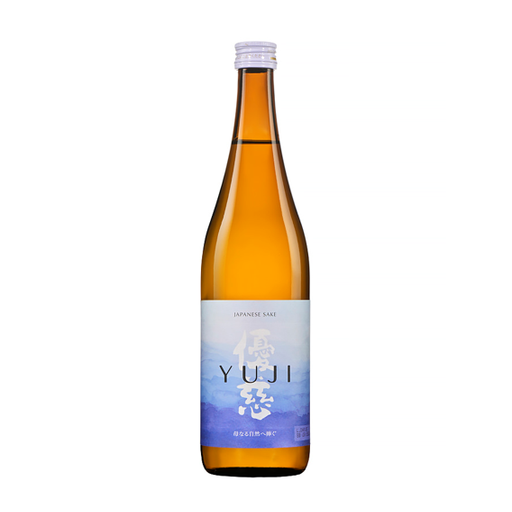
- What makes it special: Its very low alcohol content (7.3%), which is atypical for a sake, and its decidedly modern aromatic profile. It was designed for the Western palate, with notes of acacia honey and green apple.
- Highlights:
- Light and refreshing, it's perfect for an aperitif.
- Its modern style will appeal to fans of aromatic white wines.
- Suggested pairings include gravlax, mussels, or young gouda.
- Who is it for?: For the curious, who might be intimidated by the standard alcohol content of sake, and for anyone looking for a cool, light drink for warmer days.
KUBOTA SENJYU GINJO 15% 720ml
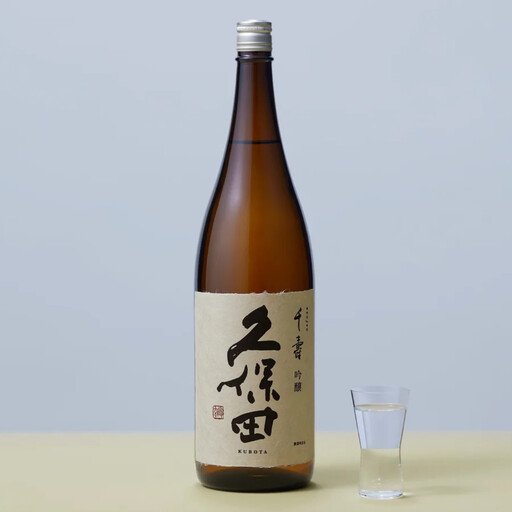
- What makes it special: A true benchmark among Ginjo sakes. Produced in the Niigata prefecture, famous for its exceptionally pure sakes, Kubota Senjyu is renowned for its elegance, finesse, and clean, refreshing finish.
- Highlights:
- A delicate bouquet with notes of pear and melon.
- A silky texture and a crisp finish, the signature of great sakes.
- Excellent sake for sushi, sashimi, and seafood.
- Who is it for?: For connoisseurs looking to step up their game or discover a great classic. It's also the ideal bottle for a special occasion or to enhance a gourmet Japanese meal.
Sayuri Nigori Junmai 300ml
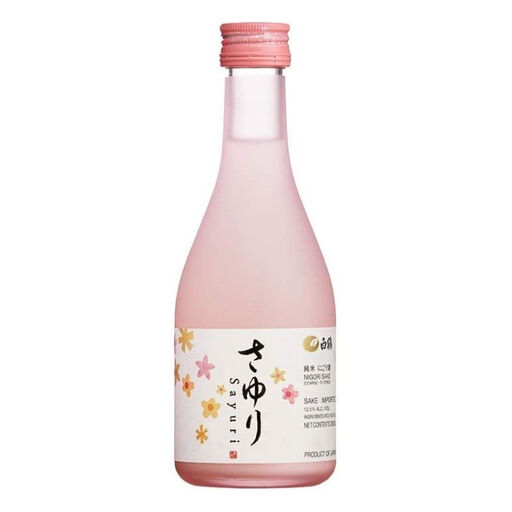
- What makes it special: Its Nigori style. "Sayuri" means "little lily," an image that perfectly fits its softness and milky appearance. Unfiltered, it reveals a creamy texture and a delicately sweet flavour.
- Highlights:
- A unique tasting experience thanks to its velvety texture.
- A sweet and luscious profile that's easy to enjoy.
- Its 300ml format is convenient for trying it solo or with a partner.
- Who is it for?: For those who want to go off the beaten path and try an original style of sake. It also works wonders as an aperitif, or to accompany a fruit dessert or a spicy dish.
Looking for Other Options?
Our selection is just a gateway into the fascinating world of Japanese rice alcohol. Every brewery, every region, offers unique flavours that are just waiting to be explored.
To discover a wider range, with other types of sakes and various formats, feel free to browse our full department.
? Discover our entire collection of Asian Sake Drink
Frequently Asked Questions about Japanese Sake
How should I store an open bottle of sake?
Once opened, a bottle of sake must be kept in the refrigerator, tightly sealed. Unlike wine, it does not improve with age: it is therefore advisable to finish it within a week to enjoy its full aromatic freshness. Be aware that unpasteurised sakes (Namazake) are even more fragile and should be consumed within a few days.
Is sake a strong spirit?
This is a persistent misconception! The alcohol content of most sakes ranges from 14% to 16%, an ABV closer to a full-bodied wine than a spirit like whisky or vodka. There are even much lighter versions, like the YUJI sake in our selection, which is only 7.3% ABV.
Can you use any sake for sushi?
While there's no absolute rule, the classic pairing leans towards a sake for sushi that is rather dry, fine, and elegant, like a Junmai Ginjo. The goal? To refresh the palate between each bite without ever masking the delicate flavours of the fish. A sake that is too sweet or too full-bodied would risk overpowering it.


