Japanese sake is making a remarkable entrance at the dinner table. Long confined to the image of a simple, potent digestif, it is now revealing itself as a beverage with a richness and diversity that rivals that of wine. Are you intrigued, but when faced with terms like Junmai, Ginjo, or Daiginjo, you don't know where to start when it comes to buying sake??
This guide is for you. As a product scout for Joybuy, my mission is to give you clear reference points to choose your first bottle with confidence. Let's set aside the technical jargon and explore accessible sakes together for a smooth introduction to this fascinating world.
How to Choose Your First Japanese Sake??
Before you dive in, a few simple concepts can make your choice much easier. Here are three essential criteria for finding the sake that matches your taste.
1. Identify the Sake Type: The Key to Flavour
Just like wine, sake comes in different "styles." For beginners, two main families stand out?:
- Junmai Sake: This term means "pure rice." A Junmai sake is brewed using only water, rice, yeast, and kōji (a noble mould), with no added distilled alcohol. It's a mark of authenticity that unveils rich, complex flavours, expressing the full character of the rice.
- Sparkling Sake: A modern and festive alternative, this is the ideal entry point. Generally lighter in alcohol, with its fine bubbles and fruity notes, it's perfect as an aperitif and easily wins over uninitiated palates. It's the quintessential beginner's sake.
2. Consider the Occasion: Aperitif or Meal??
How you plan to enjoy it will naturally guide your choice?:
- For an aperitif or a festive occasion: A sweet and fruity sake, often sparkling, is an ideal choice. Served well-chilled, it is refreshing and convivial.
- To accompany a meal: A more full-bodied Junmai-style sake opens up a world of possibilities for food and sake pairings. Its versatility allows it to enhance not only Japanese cuisine but also French dishes like seafood, hard cheeses, or white meats.
3. Serving Temperature: A Detail That Changes Everything
Contrary to a persistent misconception, sake is not always served hot. In fact, most quality sakes are best enjoyed chilled (between 8?°C and 15?°C) to preserve the delicacy of their aromas. Some more robust sakes can be gently warmed, which reveals other facets of their personality. Trust the label: it often provides valuable guidance.
Our Selection of Japanese Sakes
To help you take your first steps, we have selected three bottles with distinctly different profiles. Each is an excellent gateway into the world of Japanese sake.
1. Hakutsuru - AWAYUKI Sparkling: The Festive Introduction
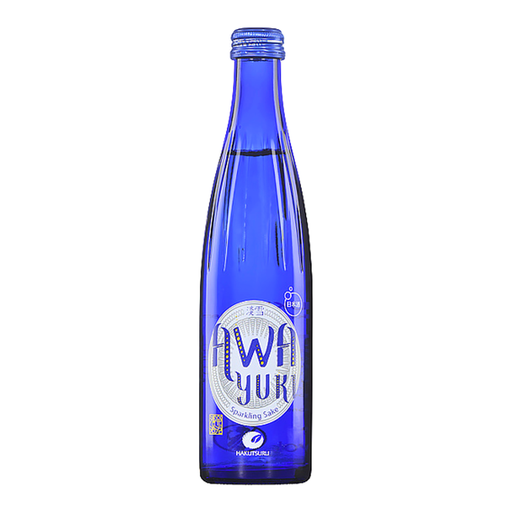
- Why we love it: This sparkling sake is the perfect option for a first tasting. Its low alcohol content (5.5%) and fine bubbles make it very approachable, much like a Moscato d'Asti.
- Benefits: Its profile is decidedly fruity and indulgent, with aromas of lychee, pear, and a hint of vanilla. Designed to be enjoyed very cold, it is thirst-quenching and festive. Its instantly recognisable blue bottle is an invitation to celebrate.
- Who is it for?: For those looking for an original alternative to Prosecco for an aperitif, or simply to surprise their guests. It's the quintessential beginner's sake, easy to love and share.
2. Hakutsuru Sake Junmai: The Versatile Classic
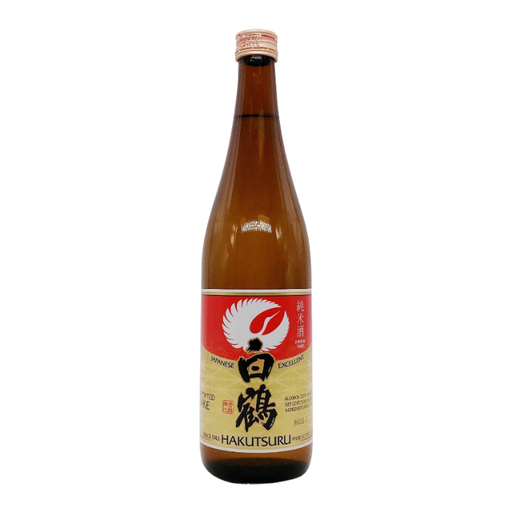
- Why we love it: This Junmai sake from the Hakutsuru brewery is a reliable choice. It offers an authentic dive into the tradition of nihonshu, with a light body and a perfectly balanced flavour.
- Benefits: Its greatest asset is its versatility. It can be enjoyed chilled with sushi or tempura, but also gently warmed to accompany simmered dishes like chicken teriyaki. Its 720?ml format is ideal for a meal.
- Who is it for?: For the curious who want to explore a traditional sake and learn the basics of food and sake pairing. A risk-free choice to accompany a Japanese-inspired dinner.
3. YUJI - Junmai Sake: The Bridge Between Two Cultures
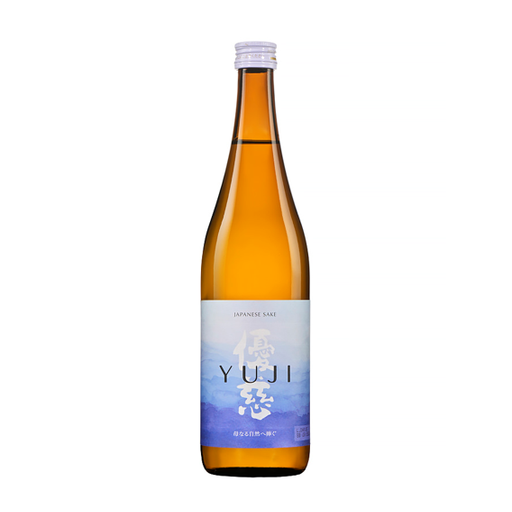
- Why we love it: YUJI was brewed specifically for the European palate, and it shows! This modern Junmai sake charms with its sweetness and an aromatic profile reminiscent of a Loire Valley white wine.
- Benefits: With its moderate alcohol content (7.3%), it reveals fresh notes of green apple and acacia honey. Serve it well-chilled (between 6 and 12?°C) to accompany mussels in white wine sauce, salmon gravlax, or a young Gouda.
- Who is it for?: For lovers of aromatic white wines who want to get into sake without feeling too out of their element. A smooth transition and an excellent way to surprise your guests.
Want to Go Further??
This selection is just an appetizer. Every region and every brewery (kura) in Japan has its own secrets, giving rise to an incredible diversity of styles.
Ready to discover more complex sakes, limited editions, or other rice-based treasures? Explore our complete collection.
? Discover our entire range of rice beverages
Frequently Asked Questions (FAQ)
1. How should I store a bottle of sake once it's opened??
Once opened, a bottle of sake must be stored in the refrigerator, tightly sealed. Unlike wine, it doesn't improve with age. It is advisable to consume it within a week to enjoy its full aromatic freshness. As for sparkling sakes, they lose their bubbles quickly: finish them within 24 to 48 hours.
2. Sake, nihonshu, rice alcohol: what's the difference??
In Japanese, the word "sake" (酒) actually refers to any alcoholic beverage. Internationally, what we call "sake" is actually nihonshu (日本酒): a Japanese rice alcohol obtained by brewing (not distillation), through a fermentation process similar to that of beer. Its alcohol content is typically between 13% and 17%. Other spirits like shōchū are distilled and therefore much stronger.
3. Can you cook with sake??
Absolutely! Just like white wine, sake is a fantastic ingredient in the kitchen. It's used to tenderise meats, deglaze a pan, or add that famous depth, or umami, to broths and sauces. A simple Junmai sake, like the Hakutsuru from our selection, is perfect for this purpose.


