
Livraison le jour même ou le lendemain

Qualité garantie

Débloquez vos offres de bienvenue: Livraison GRATUITE | Jusqu'à -80 % | 30 jours d'essai gratuits à JoyPlus
Téléchargez l'application
Intrigued by the world of Japanese sake, but also find it a bit intimidating?? Between the technical terms, classifications, and diverse styles, finding the perfect bottle of sake can quickly become a daunting task. Whether for a unique aperitif, a meal pairing, or a refined gift, don't worry—we're here to help you make sense of it all.
This guide is designed to shed some light on the subject. As product experts at Joybuy, our mission is to demystify the topic and empower you to make the right choice. Together, we'll break down the essential concepts and introduce a selection of bottles that showcase the full richness of this Japanese rice alcohol. The goal?? To help you buy sake online with confidence (or close to it?!).
Before exploring our selection, here are a few key pointers to guide you.
The primary classification criterion is the seimaibuai, or rice polishing ratio. The higher this ratio, the more the rice grain has been polished away to preserve only its starchy core. The result?: a sake that is generally more refined and aromatic.
For beginners, one category is essential?: Junmai sake. This term guarantees a pure, traditional sake brewed only with rice, water, yeast, and kōji (a natural mould), with no added alcohol. It's the ideal starting point for experiencing the authenticity of sake.
The best sake is also the one that suits the moment. The tasting experience varies depending on the context.
Every sake has its own personality. Some are dry and crisp (karakuchi), while others are sweeter and smoother (amakuchi). The flavour profile also heavily depends on the brewing methods. The ancestral Kimoto method, for example, produces richer, earthier sakes, while ageing in a cedar cask (Taruzake) will impart unique woody notes.
Here are three bottles with distinct profiles, perfect for illustrating the diversity of sake.
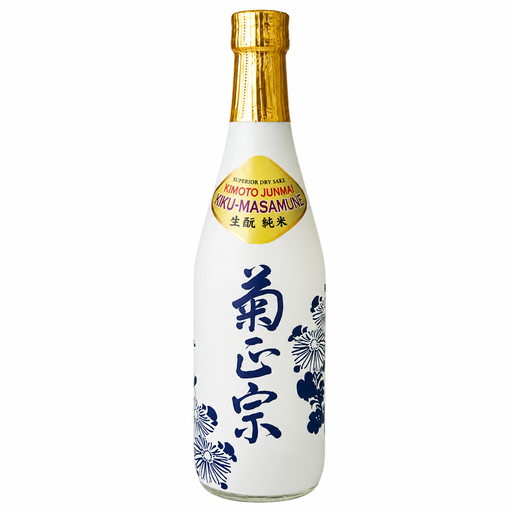
What Makes It Unique This sake is brewed using the Kimoto method, an ancient and demanding technique that lets nature do the work. Unlike modern methods, the lactic fermentation develops naturally here, without any additives. The result is a sake of rare depth and aromatic complexity, offering a true dive into the heart of traditional sake.
Key Features
Who Is It For? Ideal for those who want to discover a sake with character, true to its roots. It pairs wonderfully with umami-rich dishes like grilled meats, stews, or aged cheeses.
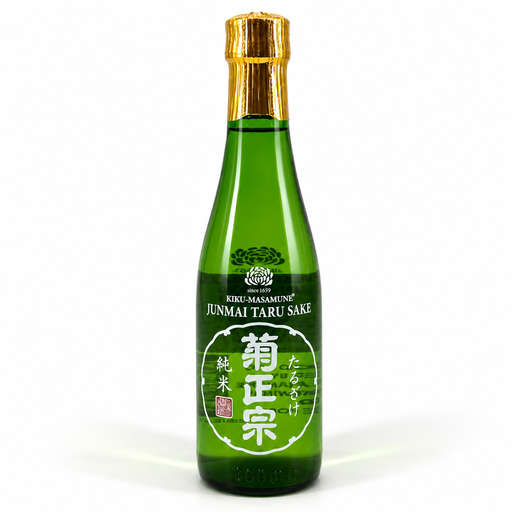
Its Special TouchTaruzake is a sake distinguished by its ageing process in Japanese cedar (sugi) casks. This time in the cask imparts a woody, fresh, and resinous aroma that blends beautifully with the rice flavours. It's a sensory experience that is off the beaten path and evokes Japanese traditions.
Key Features
Who Is It For? Perfect for fans of cask-aged spirits (like whisky or certain rums) who want to explore a new facet of sake. It is best enjoyed chilled and can accompany dishes like tempura or chicken yakitori.
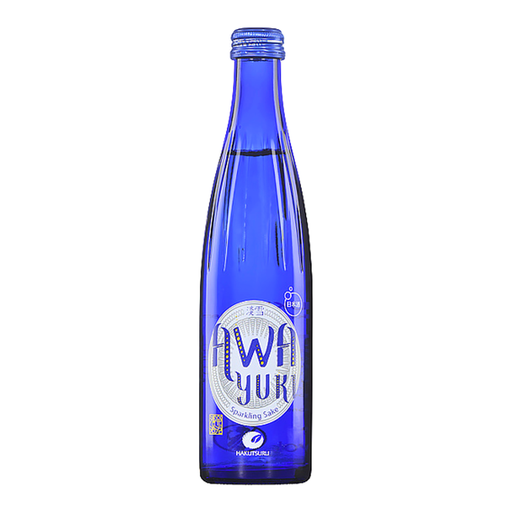
A Touch of Freshness This sparkling sake is the perfect modern and accessible introduction to the world of sake. With its low alcohol content and delicate bubbles, it offers a light and refreshing tasting experience. The Hakutsuru brewery even developed a special yeast to give it unique citrus aromas.
Key Features
Who Is It For? An excellent choice for a first foray into sake or for surprising guests at aperitif time. Its sweetness and lightness make it a crowd-pleasing choice that will appeal to many.
Our selection is just a taste of the treasures the world of sake holds. Every brewery and every region in Japan cultivates its own style. To explore a wider range, from the driest to the most fruity sakes, feel free to browse our complete collection.
? Discover our entire range of sake and rice wine
An unopened bottle of sake should be stored upright in a cool, dark place (a cupboard is perfect). Once opened, place it in the refrigerator and ideally consume it within two to three weeks to enjoy all its aromas.
That's a common misconception?! Most sakes have an alcohol content between 14% and 16%?ABV, which is comparable to many wines. Some, like the sparkling sake AWAYUKI (5.5%?ABV), are even much lighter.
It all depends on the sake?! The most refined and aromatic ones (Ginjo or Daiginjo types) are best savoured chilled. More robust sakes, like a Kimoto Junmai, can be enjoyed at room temperature or even slightly warmed (atsukan), which reveals different aromas. For serving, traditional ceramic cups (ochoko) are perfect, but a simple white wine glass will also do an excellent job of capturing its full bouquet.
Alcohol abuse is dangerous for your health, please drink responsibly. The consumption of alcoholic beverages during pregnancy, even in small amounts, can have serious consequences for the child's health.