
Livraison le jour même ou le lendemain

Qualité garantie

Débloquez vos offres de bienvenue: Livraison GRATUITE | Jusqu'à -80 % | 30 jours d'essai gratuits à JoyPlus
Téléchargez l'application
Japanese ramune is loved for its fruity flavour, individual size and instantly recognisable marble bottle. This original Japanese soft drink fits perfectly into a themed party, a Japanese-inspired meal or a family treat. But not all options are created equal when it comes to satisfying different cravings.
Before buying a Japanese soda, three pitfalls deserve your attention: a flavour that sounds exceptional but turns out to be overly sweet, a glass bottle that needs careful opening, and a size that looks generous in the photo but actually contains just 200 ml. Here are the criteria to consider when choosing a Hatakosen ramune that’s right for you.
Varieties such as kiwi, raspberry, lychee, pineapple, watermelon, orange, mango, sakura or muscat primarily change the flavour profile. The base is usually made from carbonated water, sugar or glucose-fructose syrup, an acidifier and flavourings.
So the flavour alone won’t tell you the sugar content. The available product sheets often show between 8.7 and 10.6 g of sugar per 100 ml, depending on the recipe. For a 200 ml bottle, always check the label to know exactly how much you’re consuming.
The ramune marble bottle uses a Codd-neck closure. Before opening, a glass marble seals the bottle. You need to position the provided plunger correctly, press down gradually, then wait a few moments for the pressure to subside.
Don’t shake the bottle before opening it, and don’t try to remove the marble. The glass and the small format are part of the drink’s charm, but adult supervision is recommended for children, especially when opening.
Before opening, ramune is usually best kept in a cool, dry place away from light. Once opened, put it in the fridge and drink it quickly, following the instructions on the packaging. After opening, the drink also loses its fizz more quickly.
The 200 ml Japanese soda size is ideal for individual enjoyment, a selection of different flavours, or a party table. It lets you offer several flavours without having to open a large bottle.
For a gathering, allow one bottle per person if ramune is the main drink. For a tasting, bring together several fruity flavours to compare their profiles: tangy with kiwi, soft and floral with lychee, tropical with pineapple or mango.
In particular, compare the following details:
Some products contain azo dyes. For items listing colour E102, the label must state that it may have an adverse effect on activity and attention in children. This doesn’t mean the product is unfit for consumption, but it’s information worth weighing up when choosing a drink for the whole family.
A classic bottle is perfect for a refreshing break. A sakura edition, with its cherry blossom-inspired design, is better suited to a gift or a table with Japanese accents. In any case, check that the product is indeed sold in glass, that the volume is 200 ml, and that the package can be stored properly after delivery.
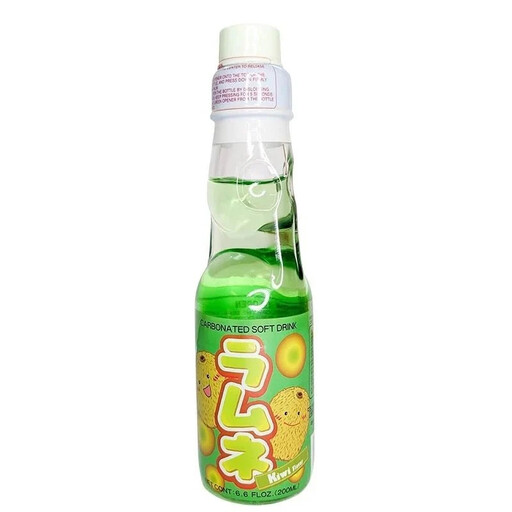
Why this suits this profile: Its tangy flavour lets you discover ramune without starting with a too-common taste. The individual size also means you don’t have to buy a large quantity straight away.
The product page clearly states the 200 ml volume, the ingredients and the storage instructions after opening. This means you can compare the composition before placing your order.
Glass bottle with marble, 200 ml, 35 kcal and 9.5 g carbohydrates per 100 ml according to the information provided.
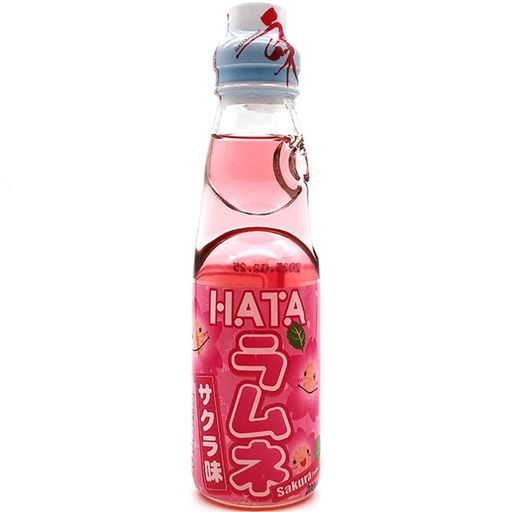
Why this suits this profile: Its sakura theme and decorated bottle are ideal for a polished presentation, a gift or an evening dedicated to Japanese culture.
The decoration doesn’t mean you can skip checking the essential information: the product page shows the volume, composition, stated origin and precautions related to the marble.
Floral-themed edition, Codd-neck bottle, 200 ml and best served well chilled.
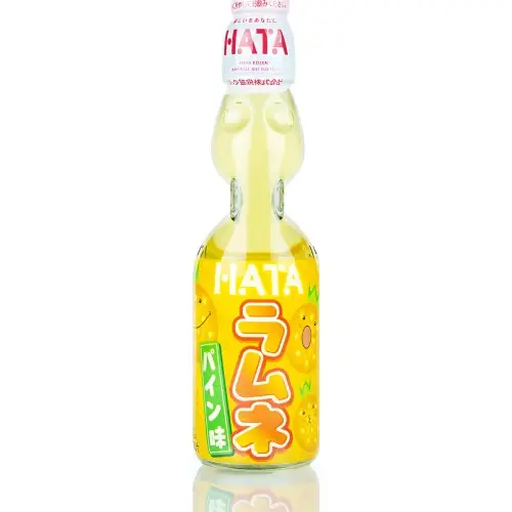
Why this suits this profile: Its pineapple flavour brings a tropical note to a party, picnic or buffet where several flavours need to be easily distinguished.
The stated size and storage instructions let you plan quantities and avoid leaving a bottle open for too long.
Pineapple flavour, carbonated water, marble bottle and individual 200 ml portion.
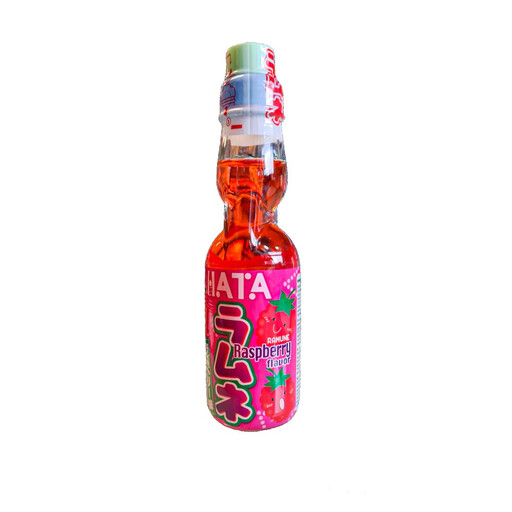
Why this suits this profile: Both fruity and tangy, the raspberry profile works well on family tables and for those looking for an instantly recognisable flavour.
The product page shows the nutritional values, fridge storage after opening and the presence of a marble bottle.
Raspberry flavour, 39 kcal per 100 ml and 200 ml bottle ideal for individual servings.
Place the plunger into the notch on the cap, then press down firmly and gradually. Hold the marble down for a few moments before drinking. Avoid shaking the bottle and don’t try to retrieve the glass marble.
Check the product label. The available instructions generally recommend putting the opened bottle in the fridge and drinking it quickly, often within a few days. Over time, the fizz will fade.
Raspberry and orange are easy to identify. Kiwi brings a more tangy note, while lychee offers a lighter profile. For a festive atmosphere, pineapple, mango or watermelon give a tropical feel. Sakura and muscat will appeal more to those looking for a less conventional presentation or flavour.