
Livraison le jour même ou le lendemain

Qualité garantie

Débloquez vos offres de bienvenue: Livraison GRATUITE | Jusqu'à -80 % | 30 jours d'essai gratuits à JoyPlus
Téléchargez l'application
Fancy a Japanese mochi, dorayaki or another Asian sweet ready to enjoy? Original colours and flavours quickly catch the eye, but the packaging does not always reveal what matters most. Texture, allergens, quantity and storage conditions can all affect your experience.
Before filling your basket, here are the criteria to consider when choosing a Japanese snack to suit your habits: an office break, an Asian-style afternoon treat or a dessert to share.
A flavour such as mango mochi, strawberry and white chocolate or peanut may come from a jam, flavouring or a prepared paste. The ingredients list is what makes the difference clear. In LOVE MOCHI Mango 180 g, for example, the filling contains jam and mango flavouring. The result focuses on a fruity combination, without guaranteeing the presence of fresh mango pieces.
Glutinous rice does not mean “allergen-free”. Depending on the recipe, mochi may contain soya, milk, peanuts or cereals containing gluten. Dorayaki, meanwhile, are often made with wheat flour and eggs. Anyone with allergies should rely on the labelling on the product received, as this is the most up-to-date reference, particularly for statements such as “may contain traces of”.
Ready-to-eat mochi and dorayaki are generally kept at room temperature, in a cool, dry place away from light and heat. Once the packet has been opened, it is best to eat them promptly to preserve their texture. Individually wrapped portions are convenient to carry, while a pack of three dorayaki is better suited to sharing.
The texture of Japanese mochi depends in particular on the glutinous rice flour, water, sugar and texture agents used. A soft, elastic outer layer generally pairs better with a dense filling. For recipes coated in powder, such as peanut mochi, also check that this coating is present: it may settle in the packaging during transport.
When the information is available, compare the proportion of filling. The red bean and chestnut dorayaki from Love & Love contains 27% red bean and chestnut paste. This percentage helps you assess the proportion of filling compared with the pancakes. For a creamier bite, the bubble tea dorayaki combines a milk tea-flavoured filling with small pieces of mochi.
To compare several products, look at the serving size, net weight and nutritional values per 100 g. The products shown specify their energy, carbohydrate, sugar, fat and salt content. Yuki & Love Mochi Dessert Strawberry White Chocolate, for example, contains milk and soya, and may contain traces of cereals containing gluten, peanuts, tree nuts, sesame and eggs.
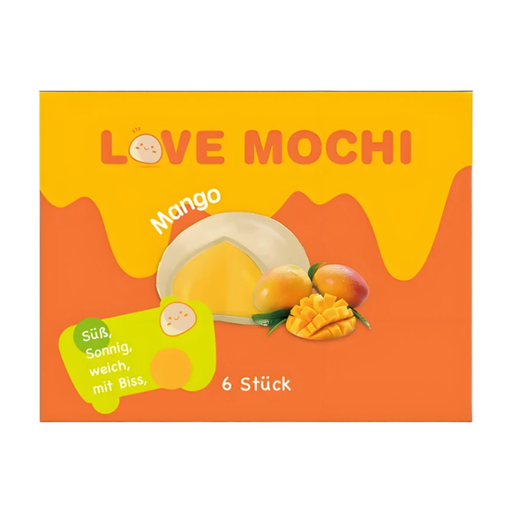
Why this choice suits this profile : Its 180 g packet and individually wrapped pieces are perfect for a first taste or a snack to take with you.
The flavour and the presence of mango jam are stated in the ingredients, while the soya allergen is clearly indicated.
180 g net weight, a glutinous rice-based texture and practical individual wrapping.
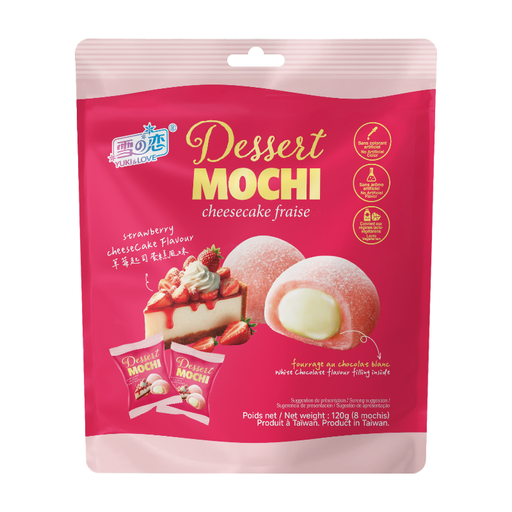
Why this choice suits this profile : The combination of strawberry, white chocolate and cheesecake notes creates a more refined tasting experience, ideal with tea.
The ingredients list details the presence of milk and soya, as well as the risk of traces. You are not relying solely on the flavour name.
Mochi filled and coated with white chocolate, with a net weight of 120 g.
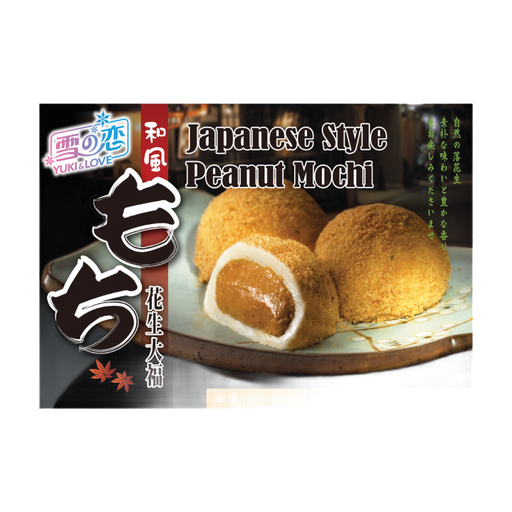
Why this choice suits this profile : Its 210 g format and peanut paste are made for fans of bold flavours and denser textures.
Peanuts and soya are clearly indicated, with a statement that it may contain traces of gluten, milk, tree nuts and sesame.
Peanut paste and powder, 210 g net weight and storage at room temperature.
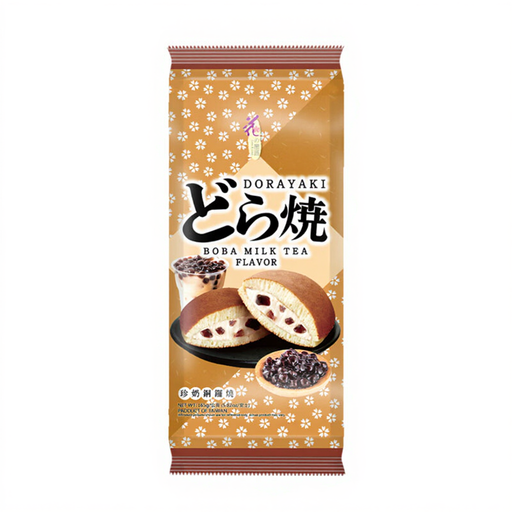
Why this choice suits this profile : The three-piece format and bubble tea flavour work equally well for sharing or enjoying over several indulgent breaks.
The product details mention wheat, egg and soya, as well as possible traces of milk, peanuts, tree nuts and sesame.
Fluffy pancakes, a milk tea-flavoured filling and mini mochi for a contrasting texture.
We have selected a complete, real-time updated list of products that meet these selection criteria and European safety requirements.
To preserve their texture, leave the products in their packaging until you are ready to enjoy them. Japanese mochi is generally eaten as it is, with green tea, black tea or a lightly sweetened hot drink. Dorayaki make a perfect accompaniment to coffee or an Asian-style afternoon treat.
Remember to check the best-before date, storage conditions and the condition of the packet when it arrives. If the packaging is damaged, it is best not to eat the product and to contact the seller.
Not necessarily. The products shown are generally stored at room temperature, in a cool, dry place, as long as the packet remains unopened. Refrigeration can affect the softness of the outer layer. Always check the instructions on the packaging of the product concerned.
Mochi is a sweet made with glutinous rice, often filled with a fruit preparation, peanuts or chocolate. Dorayaki consists of two soft pancakes joined around a filling, as in red bean dorayaki or chestnut dorayaki.
Read the full ingredients list and allergen declaration before buying. Depending on the recipe, these sweets may contain soya, peanuts, milk, eggs or wheat. If in doubt, the labelling on the packaging should always take precedence over information published online.